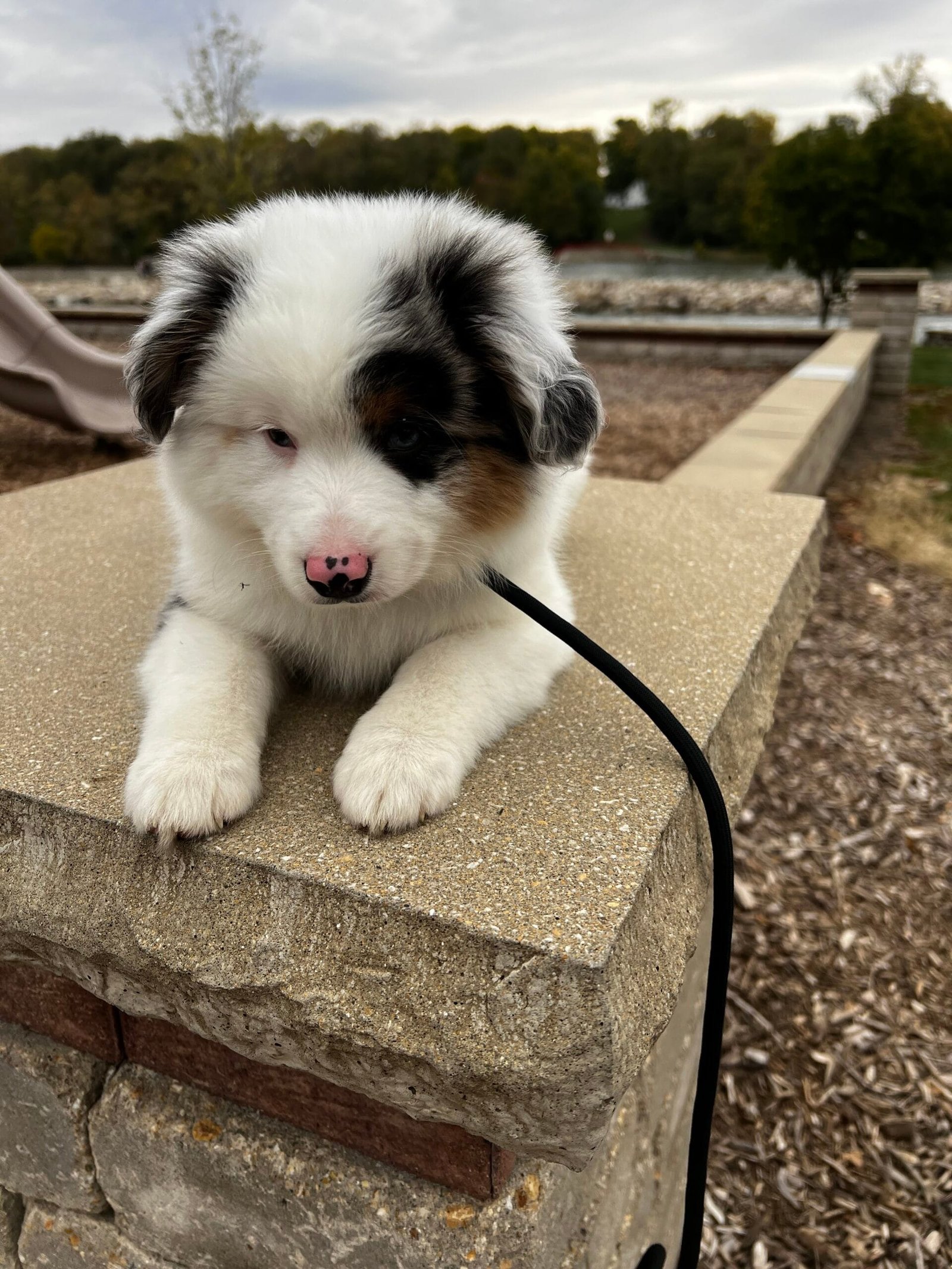
If you've just brought home a new puppy or adopted an adult dog who's never learned proper house manners, you're probably wondering how long this potty training thing is going to take. The good news? With the right approach, most dogs can be reliably house trained in just a few months.
Potty training isn't rocket science, but it does require consistency, patience, and understanding your dog's physical capabilities. Whether you're dealing with an 8-week-old puppy who can barely hold it for an hour or an adult rescue dog learning the rules for the first time, this guide has you covered.
Understanding Your Dog's Bladder Capacity
Before we dive into training methods, let's talk about what's realistic to expect. You wouldn't expect a human toddler to hold their bladder for eight hours, right? The same logic applies to puppies.
Young puppies have tiny bladders and limited muscle control. An 8-week-old puppy can typically hold their bladder for about one to two hours maximum when sleeping. When awake and active, that window shrinks to 30 minutes to an hour. Most puppies don't reach full bladder maturity until around six months of age.
The Golden Rule of Puppy Bladders
A 4-month-old puppy can hold it for about 2 hours max.
Critical Times Your Puppy Needs to Go
If you can anticipate these moments, you're already halfway to success.
Creating a Schedule That Works
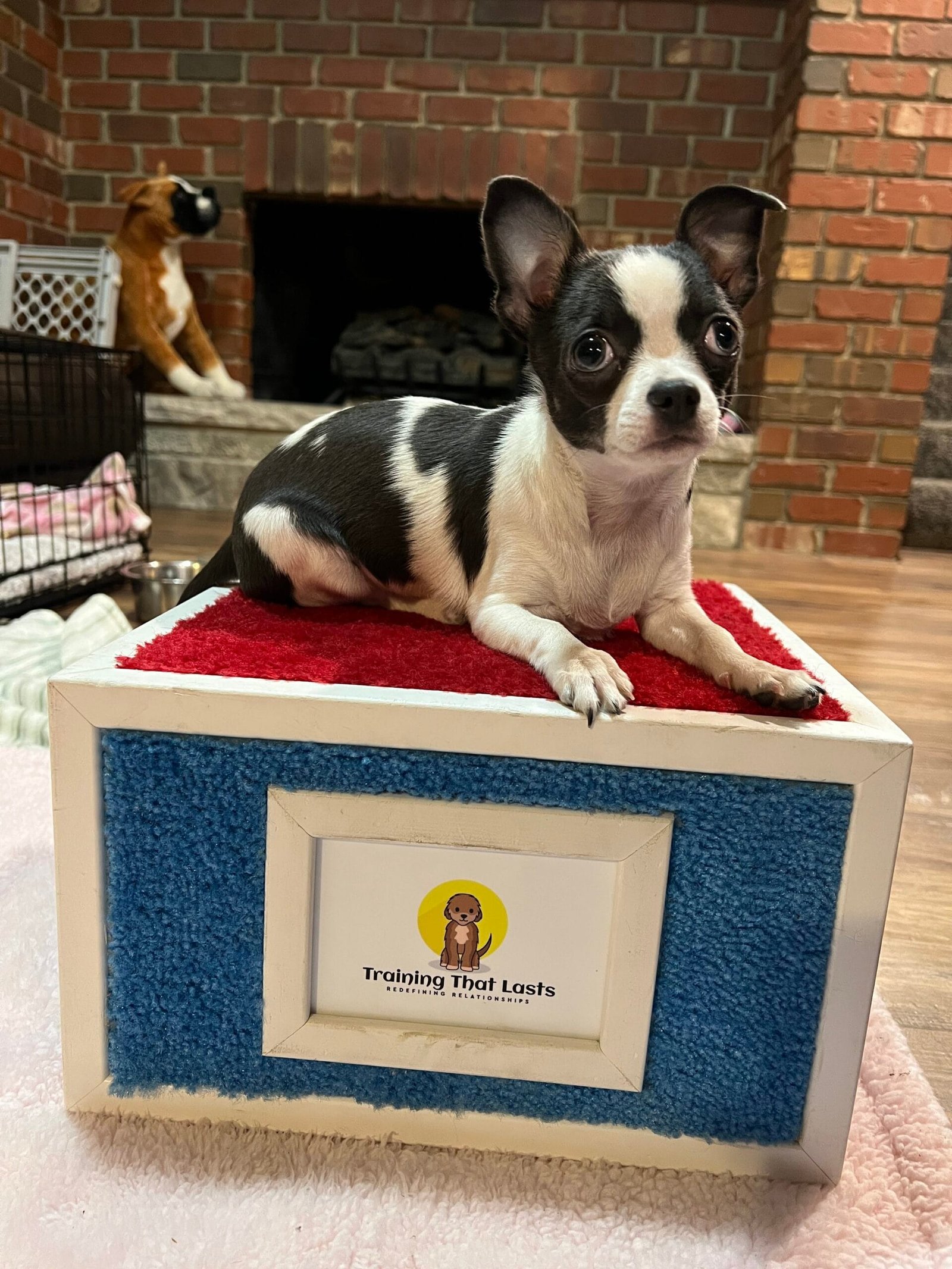
Consistency is the single most important factor in potty training success. Dogs are creatures of habit, and when their body gets used to the predictability of a routine, house training becomes easier.
For an 8 to 12-week-old puppy, your morning starts at 6 AM by immediately taking your puppy outside for a potty break. Before you brush your teeth, before you make coffee. Puppy wakes up, puppy goes outside.
This pattern continues all day: take them out before and after meals, before and after naps, before and after play sessions. In the beginning, you might be taking your puppy outside every 30 minutes during waking hours. Yes, it's exhausting. But this intensive period only lasts a few weeks, and it prevents accidents which makes the whole process faster.
Pro Tip: Keep a potty log. Write down every time your puppy eats, drinks, plays, sleeps, and eliminates. This helps you identify patterns unique to your dog. Some puppies need to go 15 minutes after eating, others need 30 minutes. Your puppy's personal pattern will emerge.
The Power of Crate Training
Your puppy should exist in one of three states: sleeping in their crate, on a supervised potty break, or enjoying supervised free time with you. That's it. No unsupervised wandering.
The crate isn't punishment. It's management. Dogs have a natural instinct not to soil their sleeping area, so a properly sized crate (just big enough to stand, turn around, and lie down) helps them develop bladder control. Too big, and they'll potty in one corner and sleep in the other.
Think of the crate as your potty training insurance policy. When you can't actively supervise your puppy, they're in their safe space, and accidents aren't happening on your carpet.
Bell Training: Teaching Your Dog to "Ask"
One of my favorite potty training tools is bell training. Instead of waiting for your dog to scratch at the door or bark (or worse, squat in the corner), you teach them to ring a bell when they need to go out. It creates crystal-clear communication.
Choose and Hang Your Bell
Options include hanging bells on the doorknob, wireless doorbells, or talking buttons. Hang it at your dog's nose height.
Ring It Yourself First
Every single time you take them outside for a potty break, you ring that bell first. Say your potty cue word like "outside" or "go potty," and rush out the door.
Make the Bell Interesting
A little dab of peanut butter on the bell encourages your dog to touch it with their nose. When the bell rings (even accidentally), immediately celebrate and go outside.
Wait for the Magic Moment
After about a week of this routine, something magical happens. Your dog will walk up to the bell and ring it themselves. The connection clicks: bell equals outside.
Respond Immediately, Always
When your dog rings the bell, respond immediately! Even if you think they might not really need to go, still let them out. You're reinforcing that communication.
Choosing Your Potty Spot
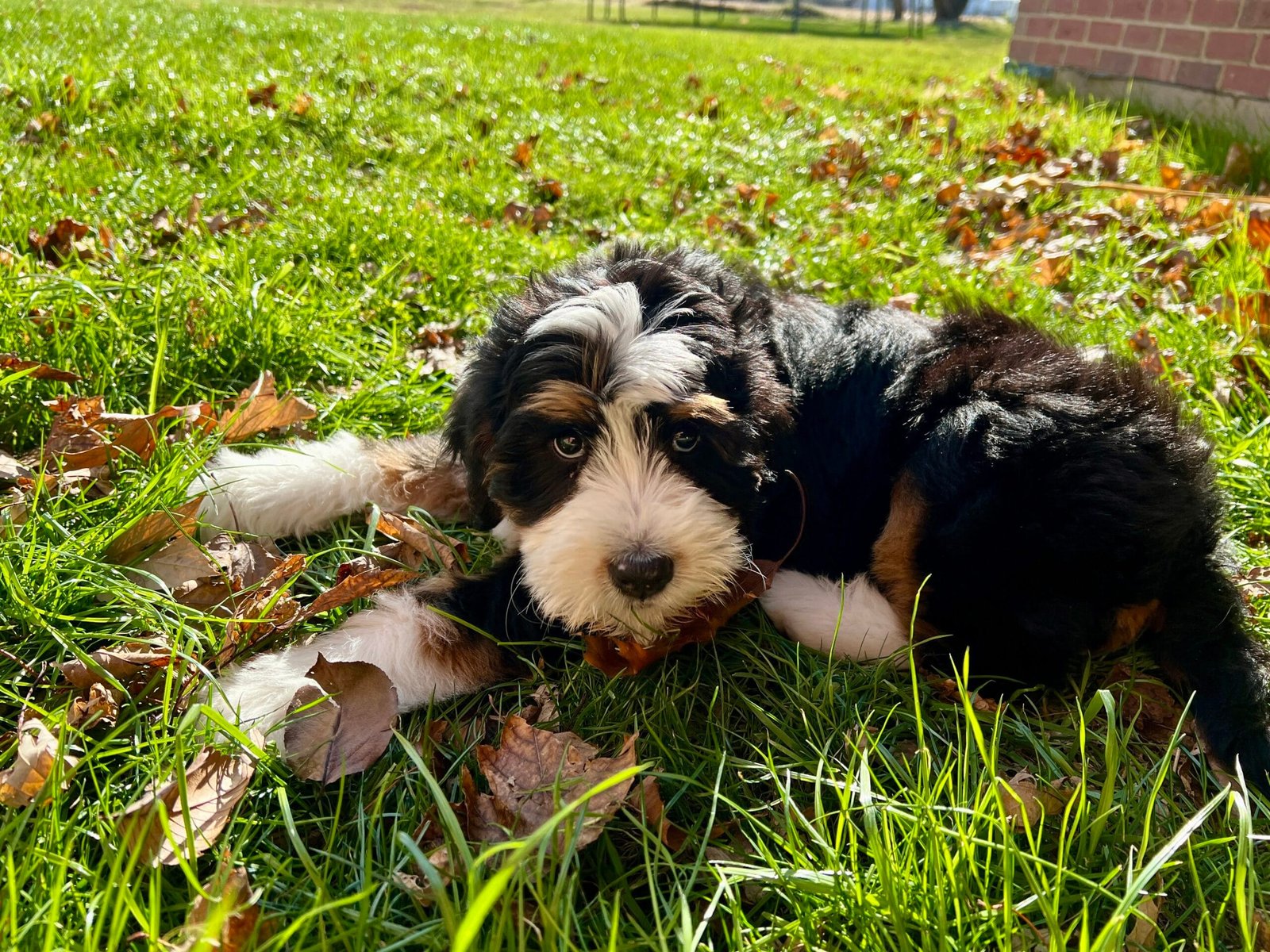
Location consistency matters just as much as schedule consistency. Pick one specific spot in your yard or outside your building, and use that spot every single time. Your dog's nose is their compass. When they smell their own scent in that area, it triggers the instinct to eliminate there again.
Take them on leash even in your own yard. If you just open the door and let them out unsupervised, they'll spend 20 minutes sniffing around and completely forgetting why they're outside. On leash, you guide them directly to the potty spot, wait quietly, and when they go, you throw a party: treat, praise, excitement.
If they don't eliminate within about five minutes, bring them back inside calmly and put them in the crate for 10 to 15 minutes, then try again. Don't turn it into a game or get frustrated. Just neutral and calm.
How to Respond to Accidents
Accidents will happen. Period. Even the most diligent owner will miss cues. How you respond determines whether your puppy learns or becomes anxious and confused.
✓ If You Catch Them in the Act
- Make a quick interrupting sound, like a clap or firm "uh-uh"
- Immediately scoop them up (yes, even mid-stream)
- Rush outside to your potty spot
- If they finish outside, reward like crazy
- This teaches the location was wrong, not the act itself
✗ Never Do These Things
- Rub their nose in it
- Yell, hit, or physically punish them
- Drag them to the accident and scold them
- Punish for accidents found after the fact
- Use any form of intimidation
If you find an accident after the fact, you do absolutely nothing to your dog. They have no idea why you're upset. Dogs live in the present moment, and punishing them for something that happened 10 minutes ago only creates fear and confusion. Every accident is a management failure on your part, not a moral failing on your dog's part.
Cleaning Up the Right Way
Regular household cleaners might make the spot look clean to you, but your dog's nose is about 10,000 times more sensitive than yours. If they can still smell urine, they'll be drawn back to that spot like a magnet.
This is where enzymatic cleaners come in. These products contain natural enzymes that actually break down the proteins and uric acid in urine at a molecular level, completely eliminating the odor rather than just masking it.
Best Enzymatic Cleaners for Dog Urine
Pro tip: Buy a black light flashlight. Shine it around your floors in the dark, and old urine stains will glow. This helps you identify spots you might have missed that your dog can still smell.
Understanding Potty Training Regression
So your dog was doing great. They went weeks without an accident, and suddenly they're peeing on the rug again. Welcome to potty training regression, one of the most frustrating but common challenges.
Medical Issues
UTIs are the number one culprit. Always consult your vet first when regression occurs.
Age-Related Changes
Adolescent puppies (4-12 months) test boundaries. Seniors may have weaker bladders.
Stress & Anxiety
Moving, new baby, new pet, or schedule changes can trigger stress-related accidents.
Weather Changes
Dogs trained in summer often regress when winter hits and they don't want to go outside.
Inconsistent Routine
Stretched time between breaks, stopped rewarding, or gave free run too soon.
Inadequate Cleaning
If accident spots still smell like urine (even if you can't smell it), dogs return to them.
The solution to regression is always the same: back to basics. Treat your dog like an untrained puppy again. Return to crate training, take them out every 30-60 minutes, supervise constantly, reward every successful outdoor potty, and deep clean any accident spots. Most dogs bounce back within 2-4 weeks.
Winter Potty Training Tips
Winter throws a wrench into potty training, especially in the Chicagoland area where temperatures drop below zero and snow piles up. Small puppies and toy breeds really struggle. They have thin skin and their paws are incredibly sensitive to cold and ice.
Shovel a Designated Spot
Clear a specific area close to the door so your dog doesn't have to wade through deep snow.
Dress Them for Success
Dog sweaters or coats for small breeds and puppies make a huge difference. Booties protect from ice and salt.
Triple the Rewards
Your dog needs extra motivation to brave the elements, so overcompensate with treats and praise.
Shorter, More Frequent Trips
Multiple 1-2 minute trips reduce cold exposure while maintaining the schedule.
Here's the silver lining: winter actually speeds up potty training for some dogs because they realize eliminating quickly means getting back to warmth sooner!
How Long Does This Take?
Some dogs are fully trained in a few weeks; others take many months. Neither timeline is abnormal. The factors in your control include: consistency of schedule, availability to take them out frequently, supervision quality, and how quickly you respond to accidents.
Final Thoughts: You've Got This
Potty training feels overwhelming in the moment but becomes second nature surprisingly quickly. The key is accepting that it's a process, not an event. There will be setbacks. There will be days when you're cleaning up the third accident before 9 AM and wondering if your dog will ever figure this out.
They will.
Stay consistent. Stay patient. Stay positive. Use management tools like crates and leashes to prevent accidents. Reward the behaviors you want to see. Clean up thoroughly when accidents happen. And remember that every dog, no matter their age or background, can learn where they're supposed to go to the bathroom.
Need One-on-One Potty Training Help?
We've helped hundreds of Illinois dog owners achieve house training success. Book a behavioral consultation for personalized coaching that actually works.
Schedule A Consultation