
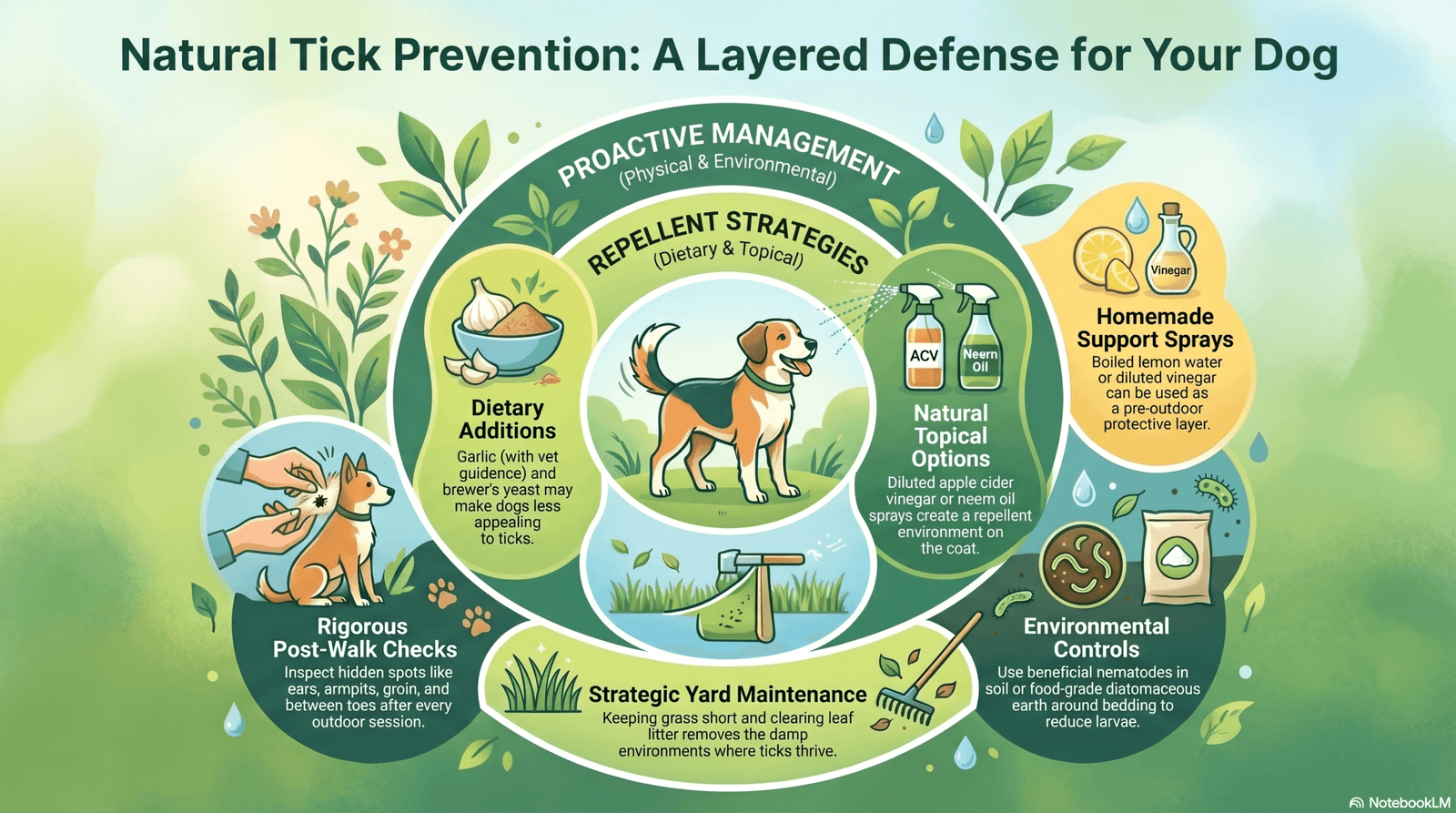
Comprehensive Guide to Natural Tick Prevention for Dogs
Ticks can transmit serious diseases and some conventional medications raise real concerns. Here is a practical, layered guide to protecting your dog as naturally as possible.
Understanding Tick Risks
Ticks are more than just a nuisance. They can transmit serious diseases such as Lyme disease, anaplasmosis, and ehrlichiosis. That makes prevention especially important for active dogs that spend a lot of time outdoors. With growing concerns around isoxazoline-based products like Bravecto, many dog owners are looking for natural ways to reduce tick exposure. This guide covers several practical approaches that can help support your dog's protection while keeping things as natural as possible.
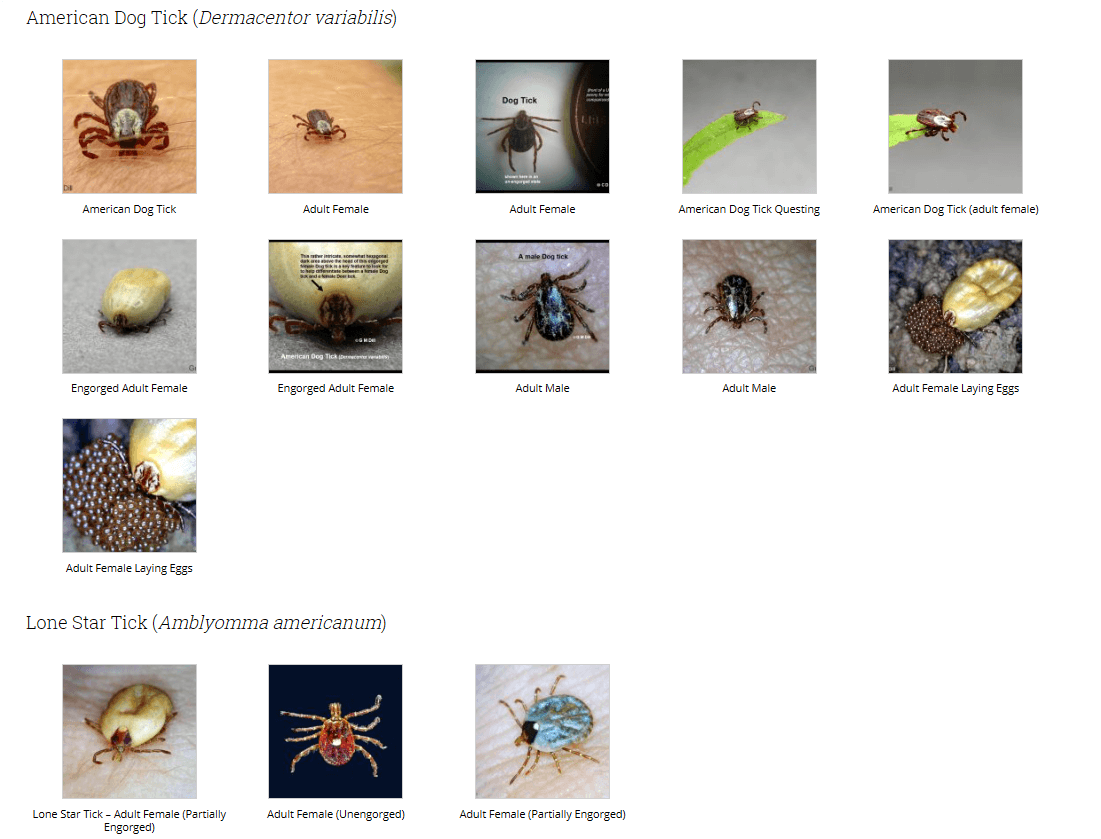
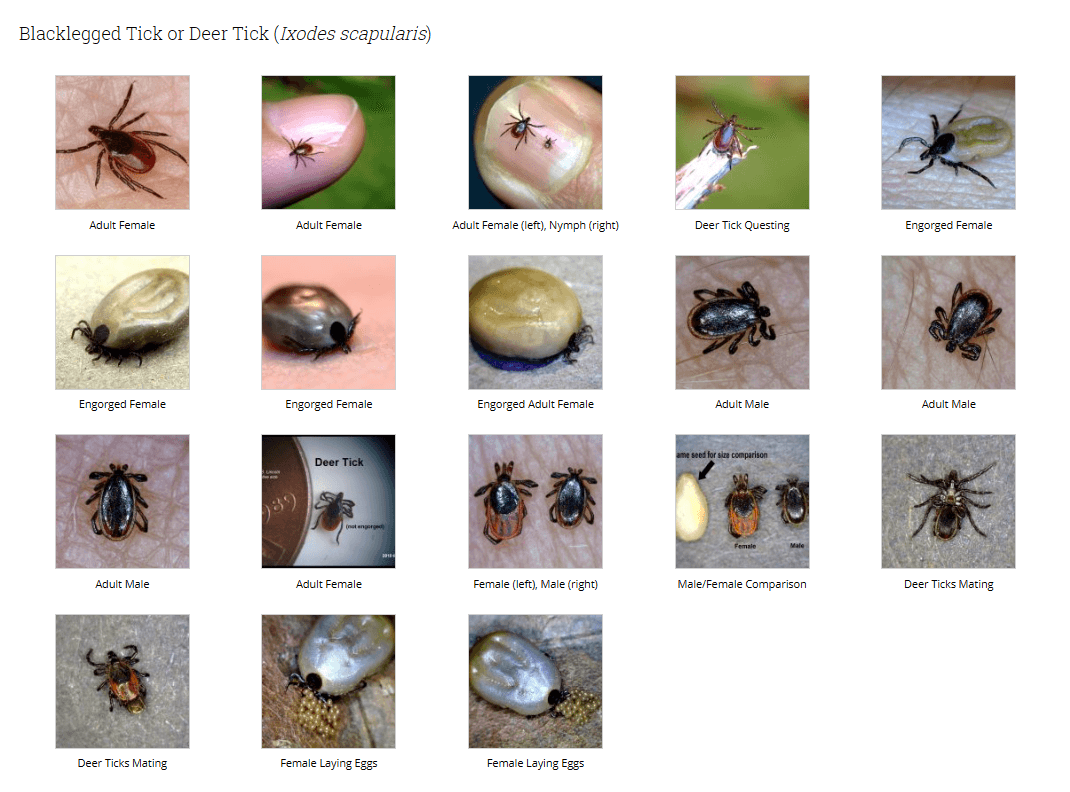
Know Your Enemy: Types of Ticks That Affect Dogs
Concerns About Bravecto and Isoxazolines
Bravecto contains fluralaner, which belongs to the isoxazoline class of medications. This class has been associated with neurological adverse reactions in some dogs, including tremors, ataxia, and seizures, even in dogs with no prior history of seizures. For more information, refer to the FDA's fact sheet on potential adverse events associated with isoxazoline flea and tick products.
Natural Alternatives for Tick Prevention
"The best natural tick prevention is not one magic fix. It is several smart habits layered together and done consistently."
1. Dietary Supplements
Garlic
Garlic is often used as a natural repellent that may help make your dog less appealing to ticks.
Brewer's Yeast
Brewer's yeast contains thiamine (Vitamin B1), which may help repel fleas and ticks.
2. Herbal Remedies
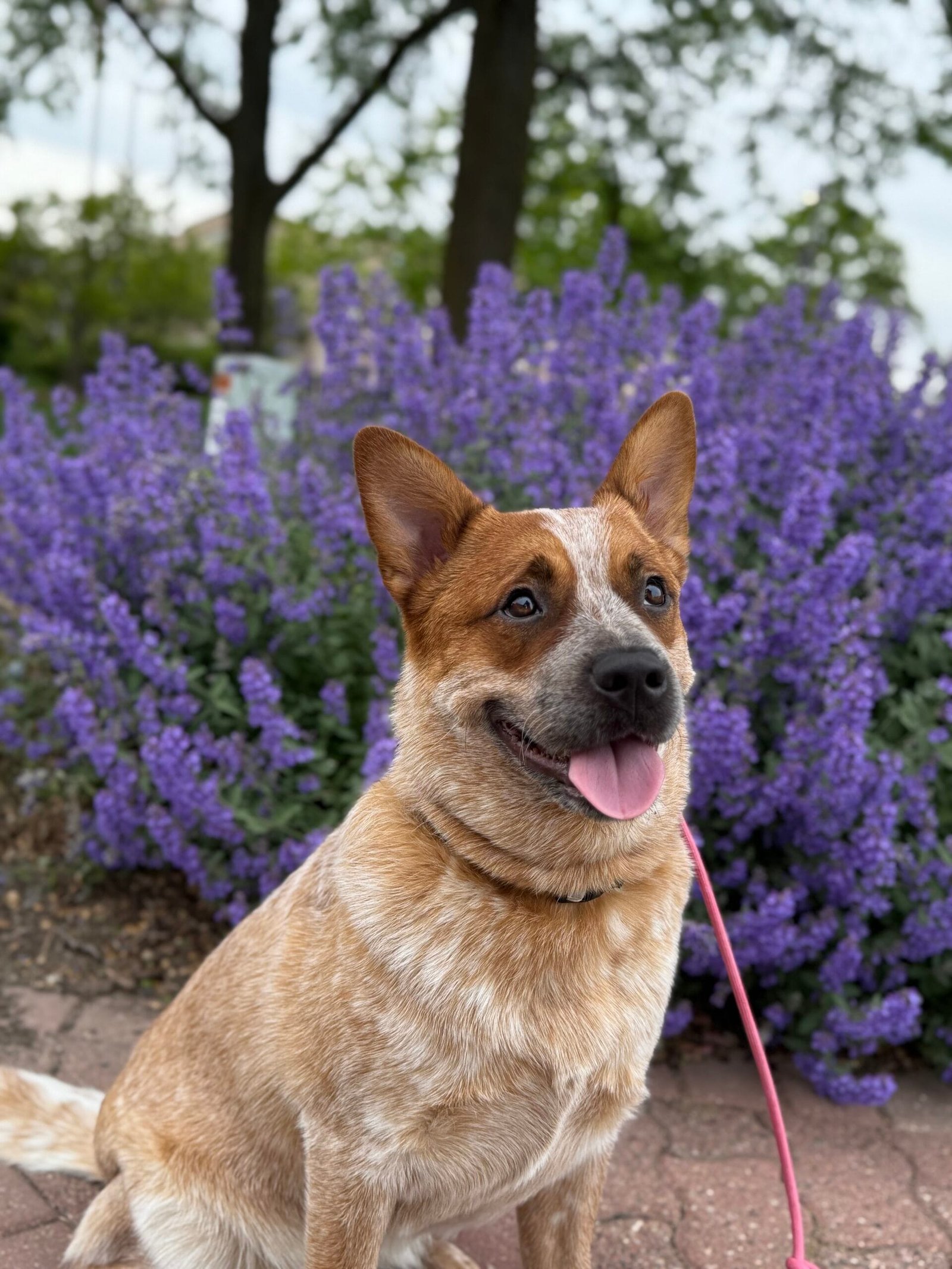
Natural topical options like apple cider vinegar and neem oil can help create an environment on your dog's coat that ticks find less attractive. Always dilute properly and avoid sensitive areas.
Apple Cider Vinegar
May help create a skin environment that is less attractive to ticks.
Neem Oil
A natural insect repellent with additional antibacterial and antifungal properties.
3. Physical Barriers and Environmental Control
- Around and inside the ears
- Neck and under the collar
- Armpits and front leg folds
- Belly and chest
- Groin area
- Between the toes and under paw pads
- Base of the tail and hindquarters
Regular brushing with a fine-toothed comb helps you detect and remove ticks before they attach. Inspect carefully after walks in wooded, grassy, or brush-heavy areas. Use a fine-toothed comb and check your dog carefully after any outdoor time in higher-risk environments.
Yard Maintenance
- Keep grass short, ticks thrive in tall grass and overgrown brush; regular mowing reduces their habitat significantly.
- Remove leaf litter, clear away leaves, debris, and brush piles where ticks hide..
- Create cleaner borders, keeping the edges of your yard trimmed and dry, which makes the environment less inviting to ticks.
4. Homemade Natural Tick Sprays
Lemon Spray
Apple Cider Vinegar Spray
5. Bathing and Shampoos
Natural Tick Shampoo
Diatomaceous Earth
6. Environmental Treatments
Beneficial Nematodes
Many dog owners find the best results come from combining several natural methods rather than relying on just one. Consistency matters more than any single product.
When to Consider Synthetic Products
While natural methods can be helpful, there are situations where synthetic products may still be necessary. If your dog is dealing with heavy tick exposure, lives in a high-risk area, or is traveling somewhere with a severe tick problem, a conventional flea and tick medication may be the more practical option. The key is to weigh the risks and benefits carefully, especially if your dog has a history of medication sensitivities or neurological concerns.
The Same Consistency That Makes Training Stick
At Training That Lasts, the approach to dogs covers more than obedience and leash work. A healthy, well-cared-for dog is a calmer, more trainable dog. The same consistency that makes training stick is exactly what makes natural prevention work. You do not skip tick checks the way you do not skip leash rules. Build the habit, keep the habit, and it compounds into a healthier life for your dog. If you want to dig deeper into your dog's overall health and nutrition, that conversation starts with a free assessment.
Disclaimer: The information provided in this article is for educational purposes only and does not substitute for professional veterinary advice. Always consult with your veterinarian before starting any new treatment or supplement regimen for your pet.



Keep Reading



Want to Talk About Your Dog's Health and Training?
Tyler works with dogs and owners across Yorkville, Oswego, Bristol, Naperville, and the greater Chicagoland area. A healthier, more consistent routine starts with a free assessment.
Book Your Free Assessment