How to Stop a Dog From Pulling on the Leash
Leash pulling is one of the most common complaints from dog owners, and one of the easiest to fix when you understand what's driving it. Here's what actually works.
If your dog drags you down the sidewalk every time you clip the leash, you're not alone. Leash pulling ranks among the top reasons dog owners reach out for help. The good news: it's a fixable problem. The not-so-good news: the fix requires consistency, not a new piece of gear.
Dogs pull for a simple reason. It works. They move forward, they get where they want to go, and the pulling gets reinforced thousands of times before most owners even think about addressing it. Understanding that pulling is a self-rewarding behavior is step one. From there, the strategy becomes clear.
Why Your Dog Pulls and What It Actually Means
Pulling is almost never about dominance or disrespect. Your dog isn't trying to be the pack leader. They're excited. They want to get to the grass, the fire hydrant, or the other dog across the street, and the fastest way to do that is to move forward. You happen to be attached.
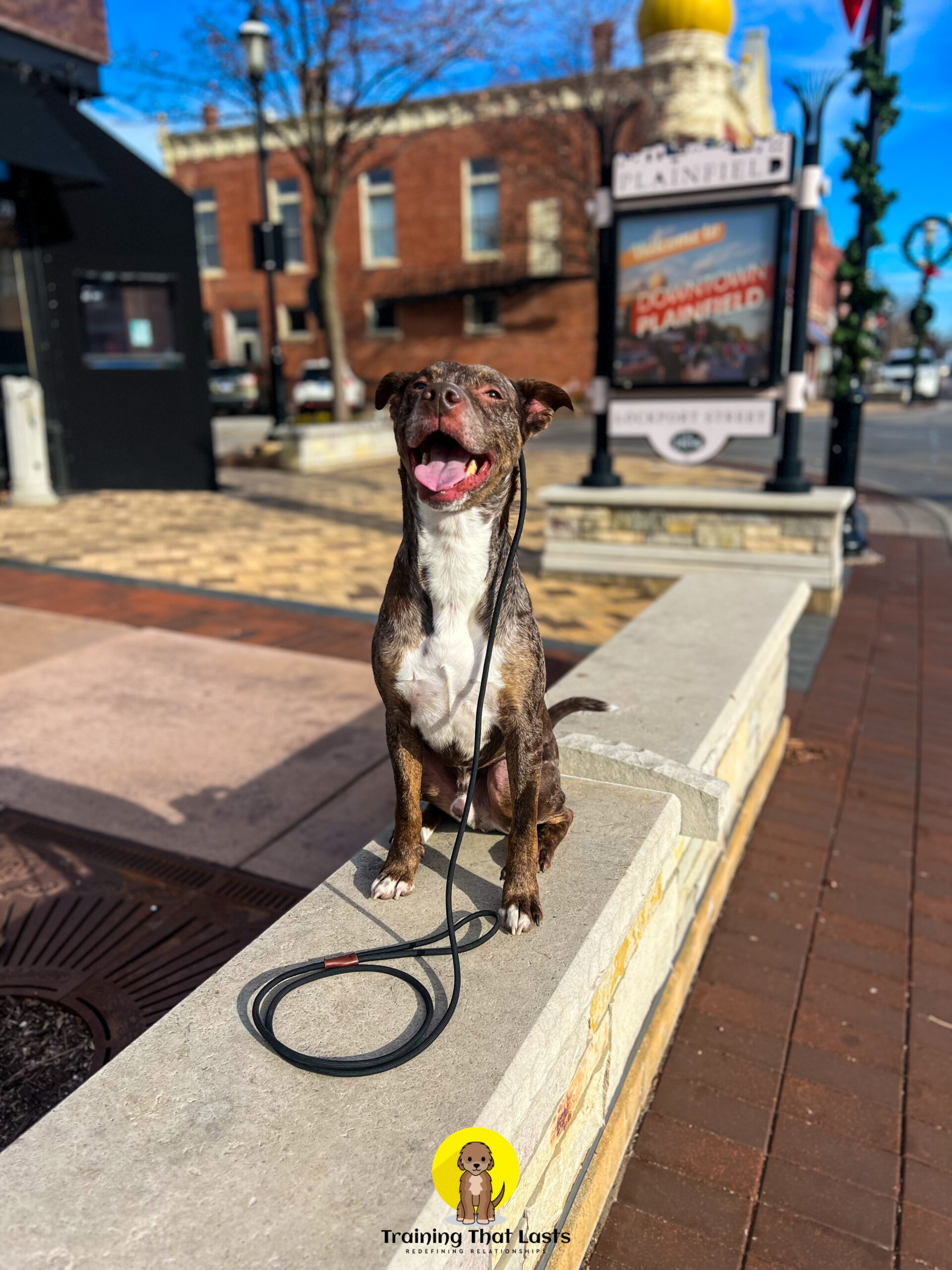
Forward movement is the reward. So the correction is straightforward: forward movement stops when the leash is tight. The moment your dog pulls, you stop. When slack returns, you move. Repeat this hundreds of times and your dog figures out that a loose leash is the only way to actually go anywhere.
This is the foundation of structured walks, and it works for every breed and every age. How quickly a dog picks it up depends heavily on how consistent you've been in the past, and whether everyone in your household is applying the same rules.
The Stop-and-Wait Method
This is the most reliable technique for teaching leash manners from scratch. Here's how to implement it:
- Start with a calm dog. Don't begin a training walk when your dog is already at a 10. Spend 5 minutes in your yard letting them settle first.
- The moment the leash goes tight, stop completely. Don't say anything, don't yank back, don't move. You become a statue.
- Wait for slack. Your dog will eventually turn to check on you, back up, or sit. The second that leash goes loose, mark it with "yes" and take a step forward.
- Reward forward movement. Keep high-value treats handy and reward your dog for walking near your side on a loose leash. Make being next to you more valuable than whatever's ahead.
At first, you may not make it past the end of your driveway. That's fine. The goal of early training walks isn't distance, it's repetitions.
"A structured walk isn't about where you go. It's about the state your dog is in when they get there."
Tools That Help (and Ones That Don't)
A lot of owners try to solve leash pulling with equipment. Head halters, front-clip harnesses, and no-pull harnesses all have their place, but none of them teach your dog anything on their own. They manage the problem while you're using them. The behavior doesn't change without training to back it up.
That said, a front-clip harness can reduce pulling intensity enough to make sessions more productive for owners struggling to keep up with a large, powerful dog. Think of it as a temporary assist, not the solution.
If you're dealing with reactive pulling, where your dog lunges at other dogs, squirrels, or cyclists, that's a different conversation. Reactivity has an emotional component that goes beyond leash mechanics. Behavior modification is usually the more appropriate starting point there, and it's something Tyler addresses directly in one-on-one sessions.
How Consistency Makes or Breaks Progress
This is the part most owners underestimate. You can have perfect technique on Tuesday's training walk and completely undo it by letting your dog drag you to the mailbox Thursday morning. Dogs don't generalize rules the way people do. If pulling works sometimes, they'll keep trying it.
Consistency means the same rules apply on every walk, with every person in the household, every single time. If this is a sticking point, that's one of the key things Tyler covers during in-home training sessions, where he works with the whole family in the actual environment where the problem is happening.
You'll also want to look at the overall structure of your dog's day. Dogs that don't get enough mental stimulation or exercise will be harder to walk calmly. Building a consistent training routine across the full day, not just during walks, accelerates progress significantly.
When to Get Help
Most leash pulling is trainable without professional help if you're willing to put in the repetitions. But if you've been at it for several weeks without improvement, if your dog is reactive, or if the pulling creates a safety issue, it's time to bring someone in.
Tyler offers a free behavioral assessment to get a clear picture of what's driving the behavior and what approach makes the most sense for your specific dog. No generic programs, no one-size-fits-all advice.
You can also browse the training highlights to see real dogs, real owners, and real progress across Yorkville, Oswego, and Naperville.
Keep Reading
Ready to Build a Lasting Bond?
Tyler works with dogs and their owners across Yorkville, Oswego, Naperville, and the greater Chicagoland area. Your first step is a free behavioral assessment.
Book Your Free Assessment