Dog Training in Montgomery, IL
Some dog behavior makes a lot more sense once you see where it is happening. The front door, living room, backyard, sidewalk outside your house, or the same neighborhood walk your dog takes every day can tell us far more than a list of commands ever could.
Training That Lasts works with Montgomery dog owners in their own homes so we can understand the routines, communication, handling, boundaries, and patterns surrounding the behavior. Instead of forcing every dog into the same program, we figure out what is happening first and build the training around the dog and family in front of us.

Your Home Tells Us A Lot.
Dogs do not behave in a vacuum. The way your dog reacts at the front door, moves through the house, handles visitors, responds when the leash comes out, or settles after activity gives us information about the expectations and communication surrounding them.
That is one of the reasons our Behavioral Consultation takes place in your home. Instead of hearing about the problem and imagining what might be happening, we can observe the interaction, ask better questions, work through the behavior with you, and begin making changes together.
Sometimes the dog needs more structure. Sometimes communication is unclear, fulfillment is missing, excitement is being unintentionally reinforced, or the dog simply does not understand the boundary everyone believes they already know. Usually, several pieces are working together.
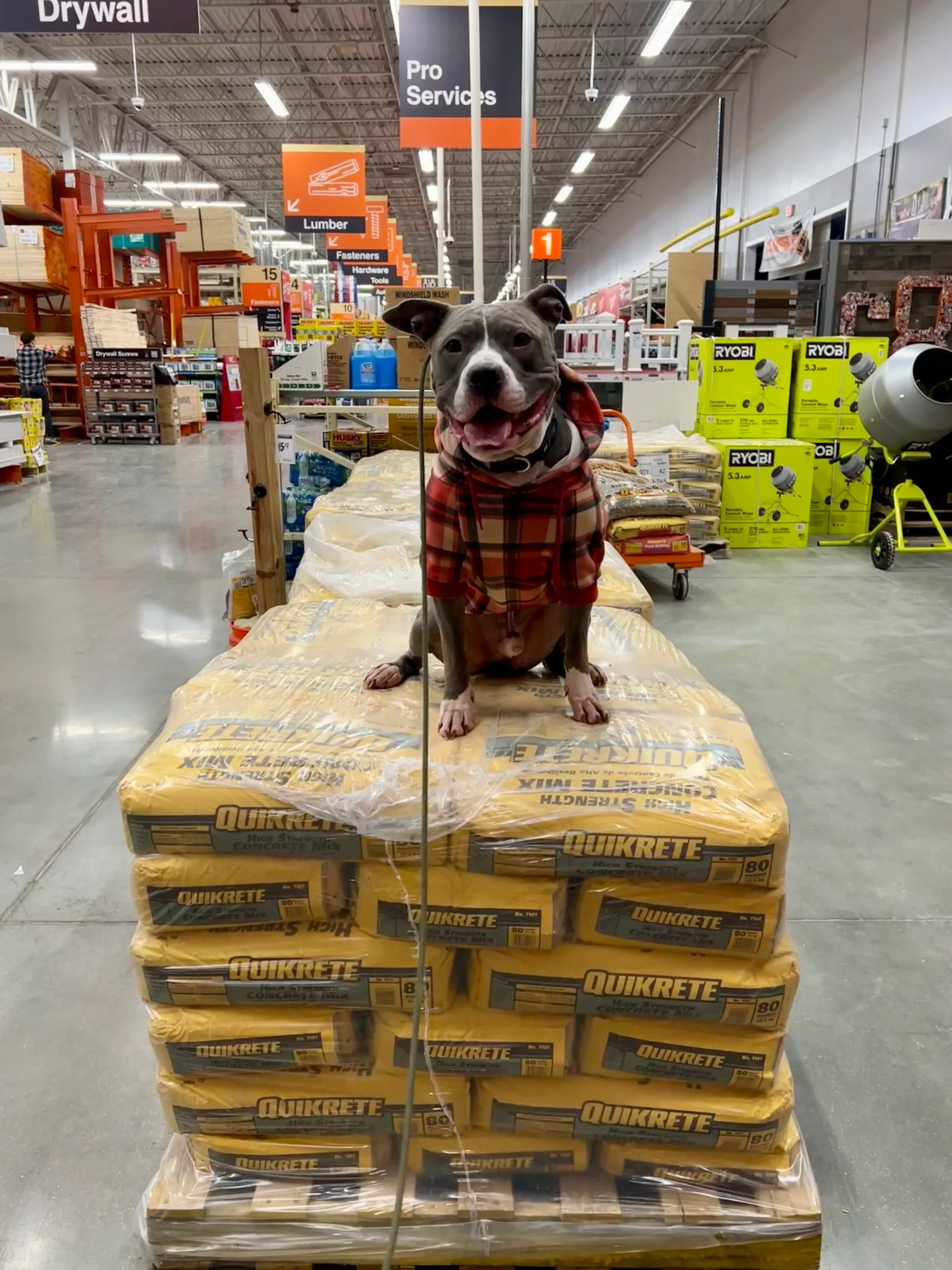
Training Is Hidden in the Stuff You Do Every Day
The front door, leash, feeding time, visitors, furniture, play, rest, and the way everyone responds to your dog are all teaching something. When those patterns become inconsistent or unclear, unwanted behavior often fills in the blanks.
The Front Door
Barking, jumping, rushing outside, or losing control when someone knocks usually begins before the door opens. We help establish a routine your dog understands while they are still capable of listening instead of waiting until excitement has already taken over.
The Neighborhood Walk
Pulling, fixation, barking at passing dogs, fence-line reactions, and constantly scanning the environment can make walks exhausting. We work on leash handling and the relationship at the other end of the leash, not simply where your dog happens to be standing.
Settling at Home
Some dogs never seem to shut off. Pacing, following constantly, demanding attention, stealing things, barking, or becoming restless can point to missing structure, unclear routines, underdeveloped boundaries, or the wrong kind of fulfillment.
Visitors
Guests change the energy of a house quickly. Instead of waiting for your dog to become overwhelmed, we help you prepare before someone enters and give your dog clear direction for handling the excitement.
Puppy Freedom
Puppies become very good at whatever they repeatedly practice. Unsupervised wandering can quickly turn into chewing, stealing, potty accidents, chasing, counter-surfing, and other habits that become harder to unwind later.
Mixed Messages
If one person allows something and another corrects it, the dog is not stubborn for being confused. We help families create expectations that remain clear and consistent enough for the dog to actually understand them.
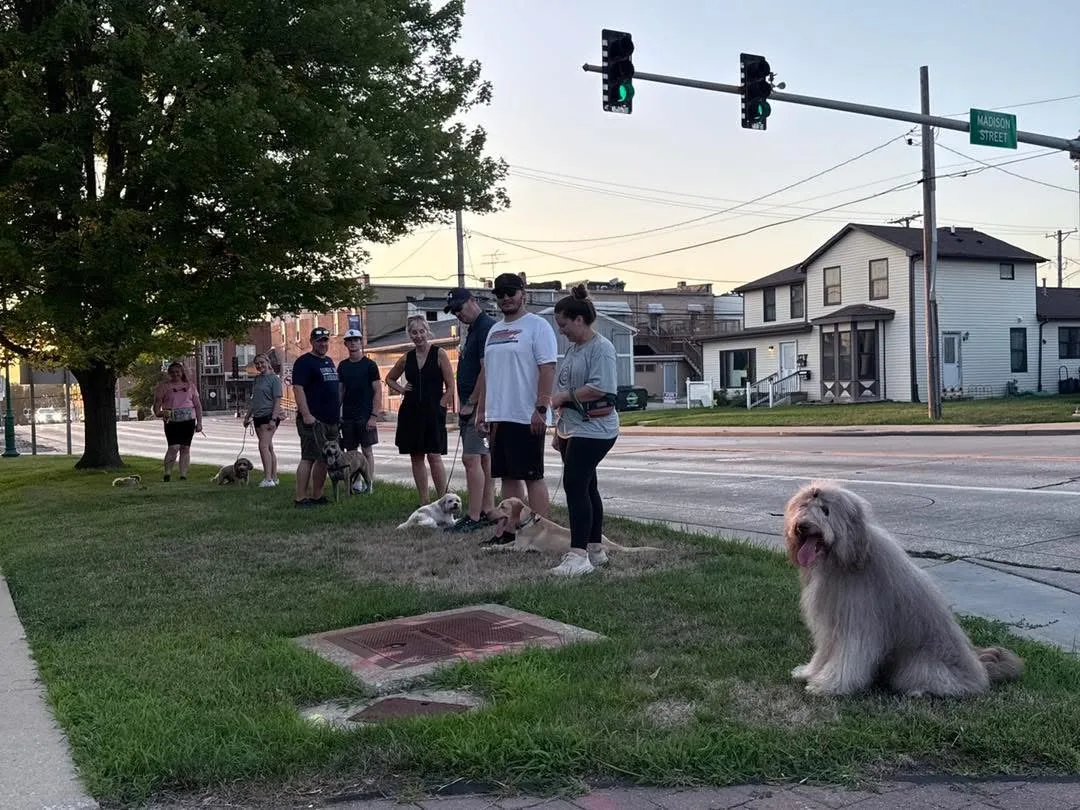
The Dog Is Only Half the Equation.
Your timing matters. Your leash handling matters. Your body language, routines, boundaries, reactions, and consistency matter too. Understanding that is not about blaming the owner, it is about recognizing how much influence you actually have once someone teaches you what to look for.
We want you to understand your dog well enough that training does not disappear when Tyler leaves. The more capable and consistent you become, the clearer and more predictable the relationship becomes for your dog.
Our Training MethodologyStop Chasing the Latest Problem
Difficult behavior can look like ten separate problems when several of them are actually connected. We look at what happens before the behavior, what the dog has practiced, and how the environment and handler responses may be influencing the pattern.
Leash Pulling
We work on movement, engagement, pace, leash handling, direction, and access to the environment so the leash becomes a clearer form of communication instead of a constant tug-of-war.
Reactivity
Barking and lunging may be the loudest part of the behavior, but they are rarely the first sign. We help owners recognize changes in body language and attention before the dog reaches the point where productive communication becomes difficult.
Jumping & Overexcitement
We create expectations before the excitement peaks rather than trying to correct everything afterward. Calm behavior becomes something the dog understands how to find, not simply something everyone keeps asking for louder.
Fear & Anxiety
Nervous dogs need appropriate challenges, clear communication, and enough space to process what is happening. Progress is built deliberately instead of overwhelming the dog and hoping they eventually stop reacting.
Puppy Behavior
Potty training, biting, chewing, crate routines, leash foundations, handling, boundaries, and social development are much easier to shape before months of repetition turn frustrating puppy habits into practiced adult behavior.
Household Boundaries
Dogs need expectations they can actually understand. We help owners create structure without turning the home into boot camp, giving the dog clearer rules and fewer opportunities to rehearse the same unwanted behavior.
Communication. Trust. Connection.
These are not decorative words under a logo. They shape the relationship we want to create between the dog and the person responsible for guiding them, especially when situations become more difficult.
Communication
Dogs cannot reliably meet expectations they do not understand. We improve verbal and non-verbal communication, leash handling, timing, body position, reinforcement, boundaries, movement, and follow-through so your direction becomes clearer.
Trust
Trust grows through consistency, fairness, and predictability. Your dog learns that you will provide direction, recognize good decisions, maintain appropriate boundaries, and help them through situations they are not prepared to manage alone.
Connection
Connection is more than affection. It means your dog can remain aware of you when another dog, person, smell, sound, movement, or interesting part of the environment competes for their attention.
The In-Home Behavioral Consultation
The Behavioral Consultation gives us two hours to understand your dog, your household, the behaviors creating frustration, and the patterns surrounding them. This is not a quick meet-and-greet where we slap a label on your dog and send you home with generic instructions.
We work with you. We observe, explain, demonstrate, answer questions, and begin making changes during the consultation so you understand both what to do and why it matters.
What Comes After We Understand the Dog
Some families make major changes from the Behavioral Consultation alone, while others benefit from continued private training or a more immersive program. The next step should be based on what your dog actually needs, not whichever package happens to be easiest to sell.
Behavioral Consultation
Start with a two-hour in-home working session focused on the dog, household, behavior, communication, routines, boundaries, handling, and the situations where problems are showing up.
- Behavior assessment
- Hands-on owner coaching
- Leash handling
- Body-language education
- Structure and boundaries
- Personalized next steps
One-on-One Training
Private sessions let us keep working directly with you and your dog on the skills that need more repetition. You are involved throughout the process because the relationship needs to work when the trainer is not standing beside you.
- Leash handling
- Obedience
- Focus and engagement
- Confidence building
- Behavior-specific practice
- Owner education
Board & Train
Some dogs benefit from concentrated professional training with consistent daily structure and repetition. The work still has to transition back to the owner, because lasting progress depends on what happens after your dog comes home.
- Daily professional training
- Leash skills
- Obedience
- Impulse control
- Structured routines
- Owner transition
Do Not Wait for the Loudest Moment.
Most people naturally react to the moment they can no longer ignore. The dog is barking, lunging, jumping, pulling, spinning, or completely disconnected, so that is when everyone begins trying to fix it.
We want you to recognize what happened earlier. Attention shifted, the body changed, excitement started building, the leash tightened, or your dog became increasingly focused on something around them. That earlier window gives you a much better opportunity to communicate while your dog can still process what you are asking.
The goal is not to spend your life correcting your dog. It is to create better patterns early enough that fewer situations need a correction in the first place.
Understanding Your Dog Changes How You Train.
A training session can show you what to do, but understanding why a behavior happens gives you something much more useful. It helps you recognize patterns earlier, make better decisions when circumstances change, and stop treating every new problem like it came out of nowhere.
The Training That Lasts Knowledge Center goes deeper into dog behavior, psychology, communication, training, consistency, social development, and the everyday situations owners struggle with most.
These articles are not meant to replace hands-on training when your dog needs it. They are there to make you a more informed handler and help the things we teach during training make more sense once you are back home.
How to Stop a Dog From Pulling on the Leash
Pulling becomes a habit because moving forward often rewards the pulling itself. Learn why the pattern develops and how clearer leash handling, consistency, and engagement can change the walk.
Read the ArticleYour Dog Isn't Blowing You Off: They're Reading You
Dogs pay attention to far more than the words coming out of our mouths. Learn how body language, follow-through, habits, and mixed messages can change what your dog believes you are actually asking.
Read the ArticleWhy Your Dog Only Listens Sometimes
The "sometimes" dog may not be stubborn at all. Inconsistent rules and changing expectations can leave dogs guessing, which makes dependable behavior much harder to build.
Read the ArticleThe Importance of Consistency in Dog Training
Repetition, predictable expectations, reward timing, and consistency between family members all influence how clearly a dog understands what is expected and how reliably those behaviors hold.
Read the ArticleHow to Properly Socialize Your Dog
Socialization is bigger than letting dogs greet everyone they see. Learn how controlled exposure, confidence, distance, positive experiences, and thoughtful progression help dogs become more comfortable without overwhelming them.
Read the ArticleThe 8 to 16 Week Puppy Socialization Window
Early puppy development shapes future behavior. Learn what to practice during this important stage, including handling, crate routines, short training sessions, social exposure, rest, and clear communication.
Read the ArticleUnderstand It. Change It. Practice It.
Good training should have a reason behind it. We want you to understand what is contributing to the behavior, make purposeful changes, and practice those changes enough that better responses become familiar to both you and your dog.
Understand
We look at what the dog is doing, what happens beforehand, how the household responds, and which routines or environments may be contributing to the pattern.
Clarify
We remove unnecessary confusion through clearer expectations, better timing, purposeful handling, structure, reinforcement, boundaries, and consistent follow-through.
Practice
Dogs learn from repetition, including repetitions nobody intended to teach. We deliberately build better ones while the dog is still capable of thinking and responding.
Progress
As skills improve, difficulty can increase. More distraction, freedom, duration, and environmental pressure are introduced as the dog becomes prepared to handle them.
Practice With More Going On Around You
Once you and your dog have developed a stronger foundation, structured group training gives you another opportunity to practice around dogs, people, movement, and distraction while still receiving professional guidance.
Training That Lasts currently holds group training in Yorkville and Oswego. Sessions focus on leash handling, engagement, obedience, calm behavior, social neutrality, and helping dogs remain connected to their handlers while more is happening around them.
This is structured training, not uncontrolled socialization. Dogs do not need to greet everything they see, and learning how to share space without becoming consumed by every person or dog around them can be an important skill of its own.
Before You Get Started
Every dog arrives with a different history, temperament, routine, and set of challenges. These answers cover the basics, while the Behavioral Consultation gives us the opportunity to get specific about your dog and your household.
Do You Offer In-Home Dog Training in Montgomery, IL?
Yes. Training That Lasts provides in-home Behavioral Consultations and personalized training for dog owners in Montgomery and surrounding communities. Working where the dog lives gives us an opportunity to see routines, boundaries, handling, communication, and behavior in context instead of relying entirely on a description of what happens at home.
What Should I Book First?
Most families dealing with behavior concerns should begin with the two-hour in-home Behavioral Consultation. It gives us enough time to understand the full picture, begin making changes, and determine what additional training may be useful instead of recommending a program before we understand the dog.
Can You Help With Reactive Dogs?
Yes. Reactivity work involves understanding triggers, body language, distance, threshold, handling, communication, and what happens before the barking or lunging begins. We work at a manageable level and gradually increase difficulty as the dog becomes more capable of staying connected and recovering.
Do You Train Puppies in Montgomery?
Yes. Puppy work can include potty routines, crate training, biting, chewing, leash foundations, handling, household structure, social development, boundaries, confidence, and communication. Starting proactively gives owners an opportunity to teach better patterns before unwanted behavior has months of repetition behind it.
Is the Owner Involved in Training?
Very much so. Your dog lives with you, which means lasting progress depends heavily on what happens between appointments. We teach owners how to recognize body language, communicate more clearly, handle the leash, reinforce good decisions, hold appropriate boundaries, and continue the training without needing the trainer beside them.
Where Is Training That Lasts Group Training Held?
Training That Lasts currently holds group training in Yorkville and Oswego. These structured sessions give clients an opportunity to practice leash handling, engagement, obedience, calm behavior, and social neutrality around other dogs and handlers once they are ready for that level of distraction.
Where Can I Learn More Between Training Sessions?
The Training That Lasts Knowledge Center includes articles covering dog behavior, psychology, communication, puppy development, leash training, consistency, socialization, and other subjects that can help owners better understand the concepts being used during training.
What Behavior Problems Do You Work With?
Common concerns include leash pulling, barking, jumping, reactivity, fear, anxiety, overexcitement, difficulty settling, puppy biting, counter-surfing, inconsistent listening, weak household boundaries, and other behavior patterns creating unnecessary stress between the dog and owner.
Start With the Dog in Front of You
If life with your dog has become a cycle of correcting the same behavior without understanding why it keeps returning, begin with the in-home Behavioral Consultation. We will look at the dog, the household, the communication, and the patterns behind the behavior so you have something more useful than another temporary fix.