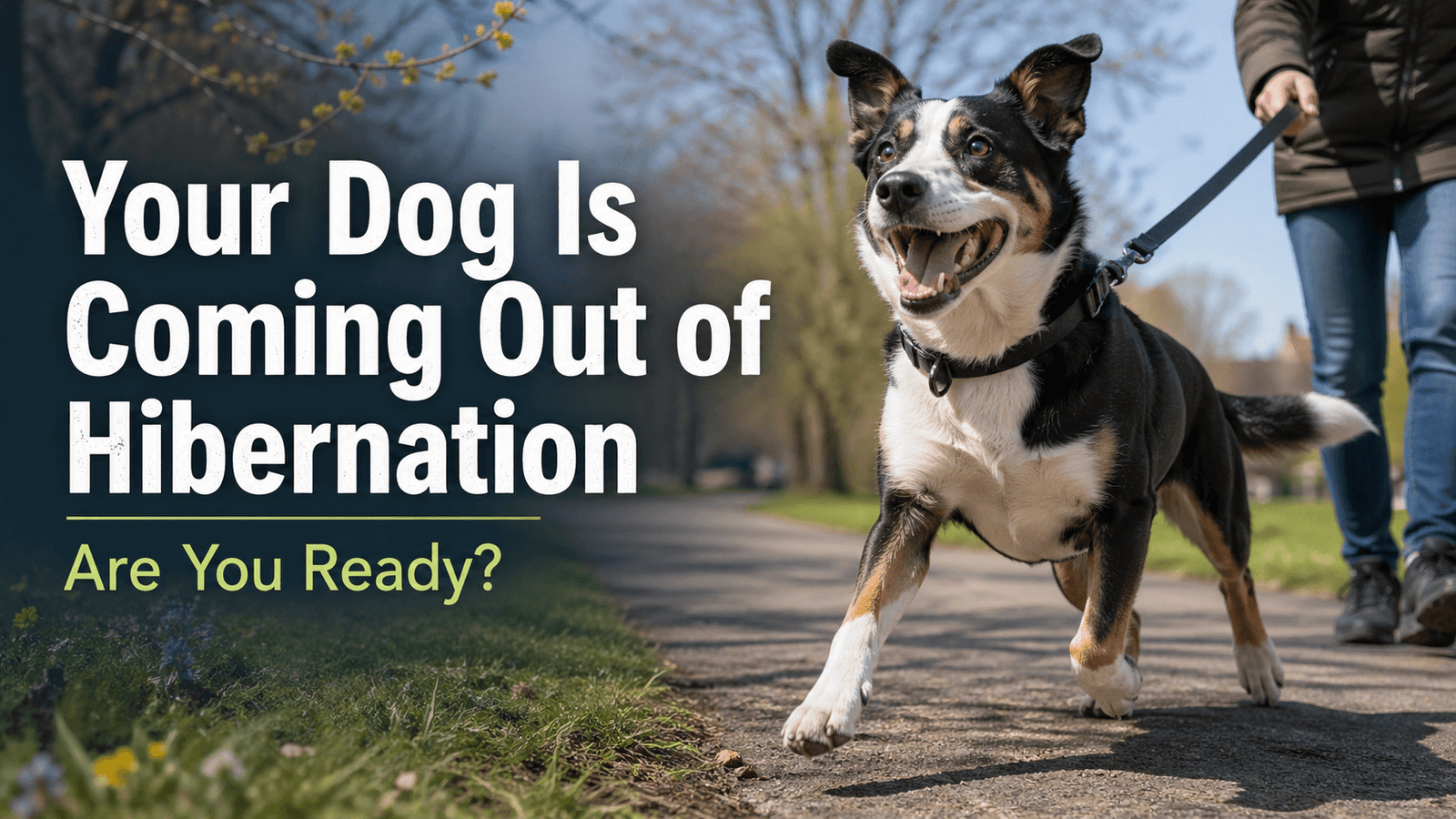
Leash pulling is forward, sideways, or backward pressure that moves the handler or keeps the leash tight. It is usually a learned movement pattern rather than simple stubbornness.
Common Signs
- Tight Leash
- Forging Ahead
- Zigzagging
- Lunging
- Fixating
- Ignoring Direction Changes
Important Distinction
Pulling is not automatically a dominance issue. Dogs repeat it because it moves them through the environment or helps them create distance, not because they are trying to control a hierarchy.
What Can Help
Clarify where reinforcement happens, reward slack in the leash, practice movement changes, manage high-value distractions, and separate skill-building walks from walks where the dog is already overwhelmed.
When To Get Professional Help
Get help when pulling creates fall risk, the dog lunges at triggers, equipment causes injury, or the handler cannot safely control the dog.
Related Behavior Terms
Related Dog Psychology
Related Training Option
Structured Walks
Every dog brings a different history, environment, and reason for the behavior. This service can help identify the right next step and build a plan around the dog in front of you.
This library provides general education, not an assessment of an individual dog. Sudden behavior changes, pain-related behavior, or an immediate safety concern should be discussed with an appropriate veterinary or behavior professional.