What Environmental Rewards Means
Naturally valuable opportunities in the environment, including sniffing, exploring, greeting, movement, and gaining distance.
How Environmental Rewards Appears in Everyday Life
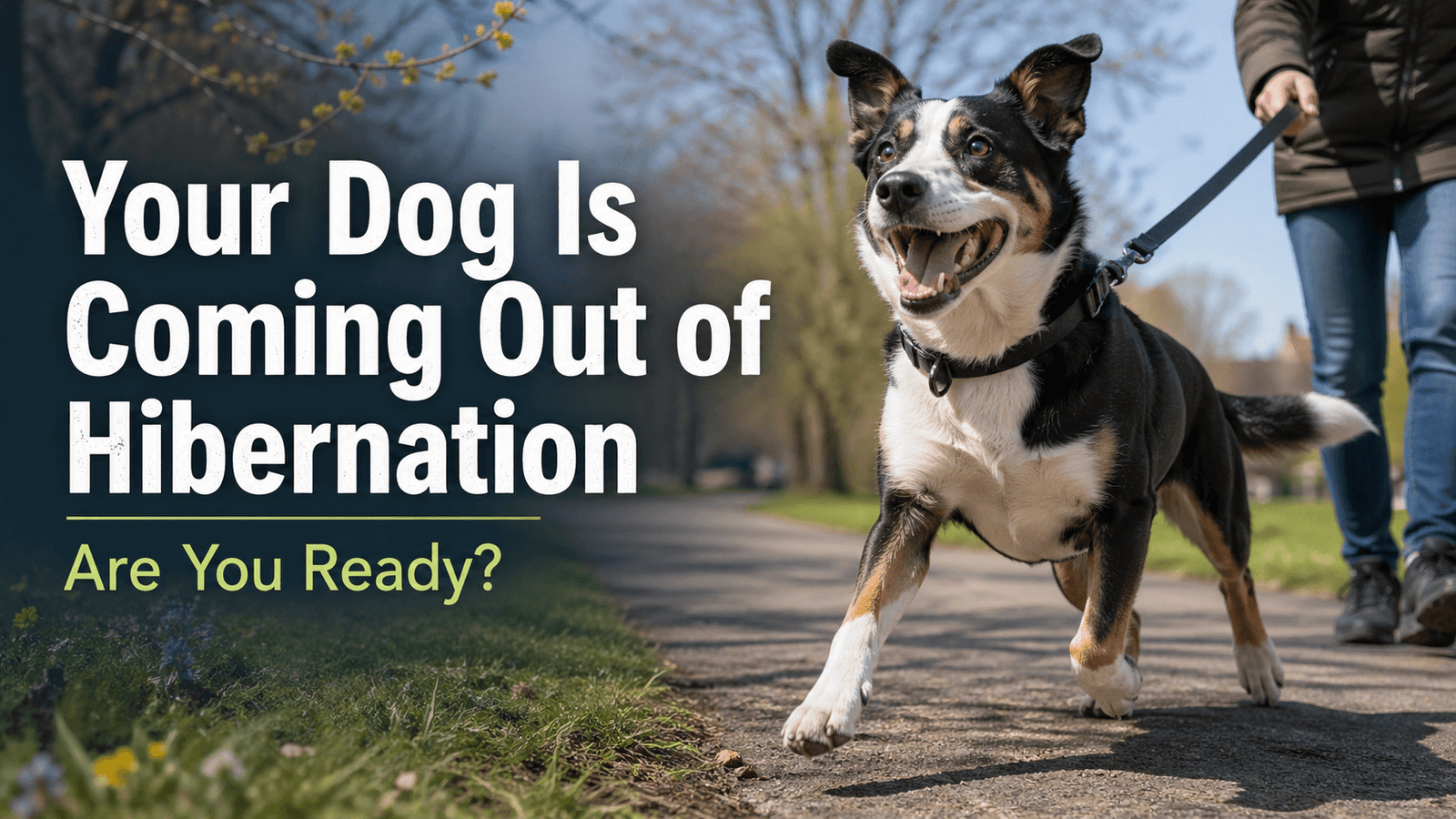
A dog pulls toward every tree during a walk. Each time the dog reaches the tree and sniffs, the environment rewards the pulling. The owner may offer food, but the dog values the smell more in that moment.
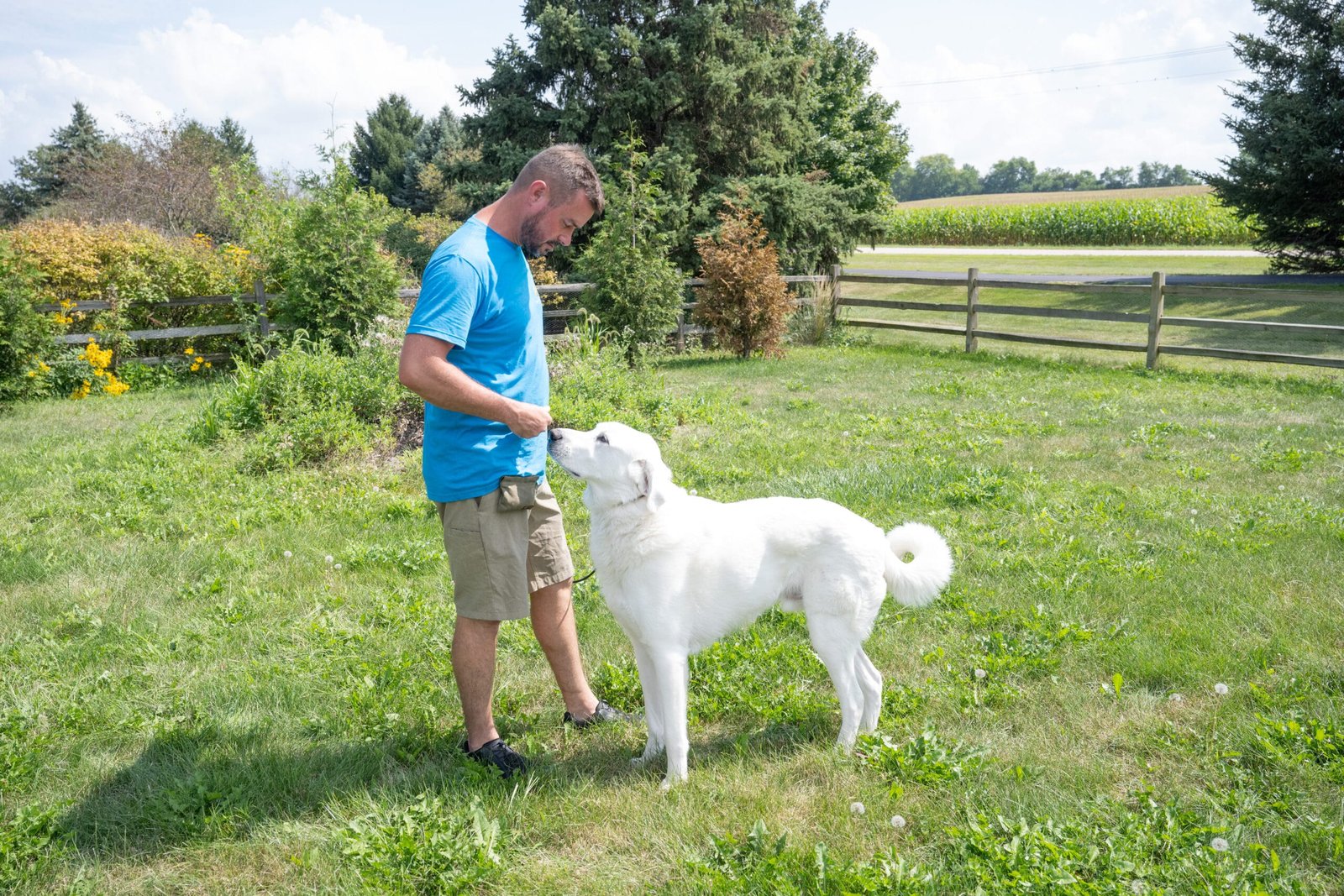
A trainer uses the environment instead of constantly competing against it. The dog is taught that a loose leash or check-in makes forward movement and sniffing available. When the leash tightens, progress pauses. When the dog reconnects and the leash softens, the trainer moves toward the smell and releases the dog to investigate. Sniffing becomes payment for the behavior the trainer wants.
Environmental rewards are used side by side with reinforcement, motivation, timing, consistency, and the Premack Principle. Reinforcement explains why access strengthens the behavior before it. Motivation helps identify which part of the environment the dog values. Timing connects access to the correct choice. Consistency prevents pulling from working unpredictably. The Premack Principle uses the preferred activity to reinforce a less preferred one.
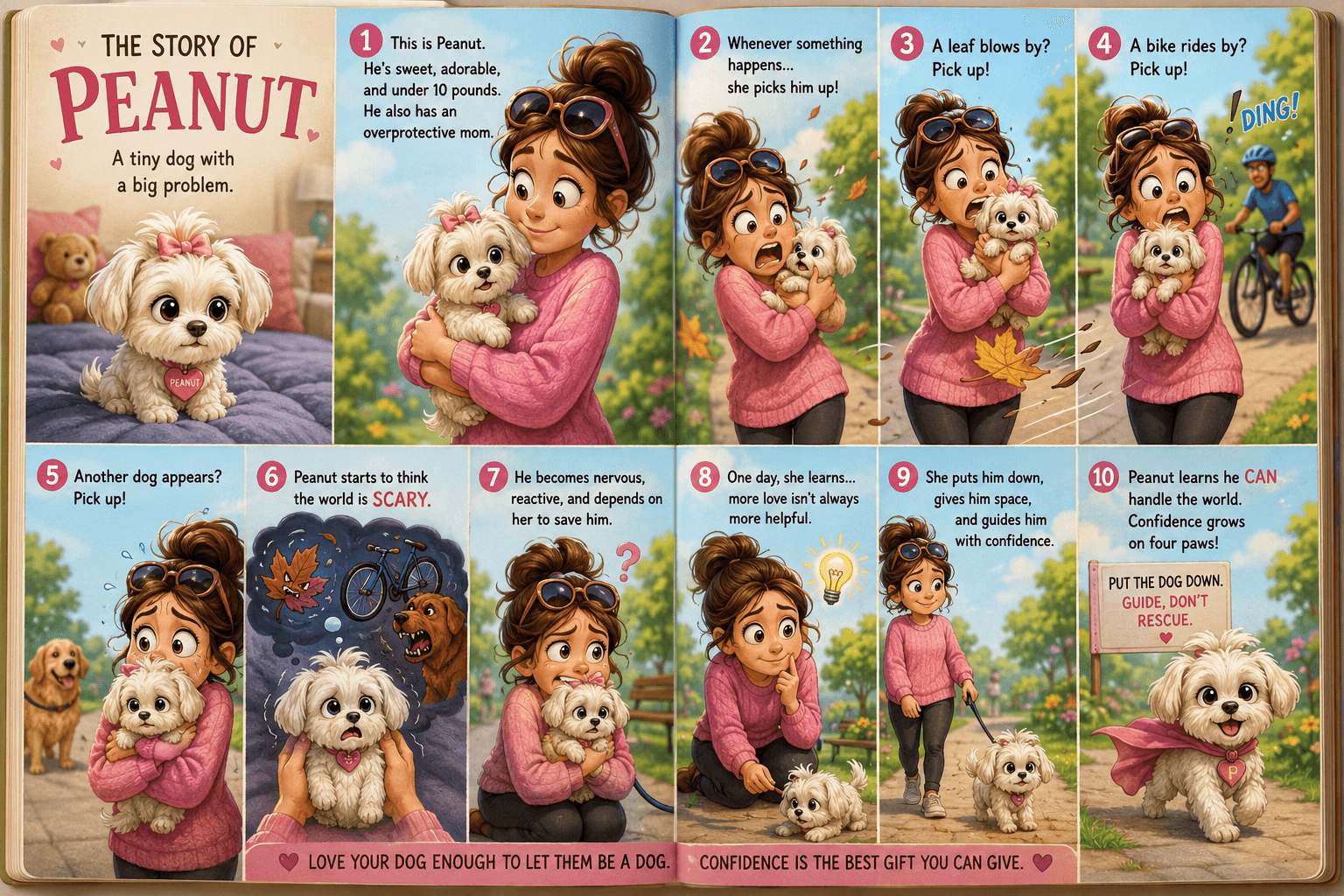
A trainer looks for environmental rewards in many behavior problems. Barking may create distance. Jumping may produce social contact. Door rushing may produce outdoor access. Once the trainer understands what the dog is trying to obtain or change, that same outcome can often be placed behind a calmer behavior. This makes training practical because the real world becomes part of the reward system.
Related Psychology
- FrustrationAn emotional response that occurs when access, movement, or an expected outcome is blocked.
- Frustration ToleranceThe ability to remain organized when access, movement, attention, or reinforcement is delayed or unavailable.
- Inhibitory ControlThe ability to pause or suppress an immediate response in favor of another action.
- Premack PrincipleUsing a more probable or preferred activity to reinforce a less probable behavior.
- ArousalThe level of nervous-system activation that influences attention, movement, emotion, and responsiveness.
Related Dog Behavior
- Barrier FrustrationEscalated behavior that occurs when a leash, fence, window, gate, crate, or other barrier blocks access or movement.
- Greeting FrustrationBarking, pulling, whining, or lunging when a dog wants social access but cannot reach the person or dog.
- Demand BarkingBarking that has learned to produce attention, food, movement, play, access, or another desired outcome.
- Door RushingMoving quickly through an opening before being released or before the handler can safely control the transition.
- Leash PullingForward, sideways, or backward pressure that keeps the leash tight or moves the handler.
Related Dog Training
- Impulse ControlImpulse control is the dog's ability to pause, wait, or choose an alternative instead of immediately acting on excitement or desire.
- WaitWait asks the dog to pause temporarily until given permission to continue.
- Leave ItLeave it teaches the dog to disengage from an item, smell, person, animal, or opportunity before taking it.
- Loose Leash WalkingLoose leash walking teaches the dog to move with the handler while keeping slack in the leash.
- Alternative Behavior TrainingAlternative behavior training teaches the dog a specific, realistic response that can replace an unwanted behavior.