What Luring Means
Luring uses food, a toy, or another target to guide a dog into a position or movement. It can introduce a behavior quickly, but the lure should be faded so the dog learns to respond without seeing the reward first.
How Luring Appears in Everyday Life
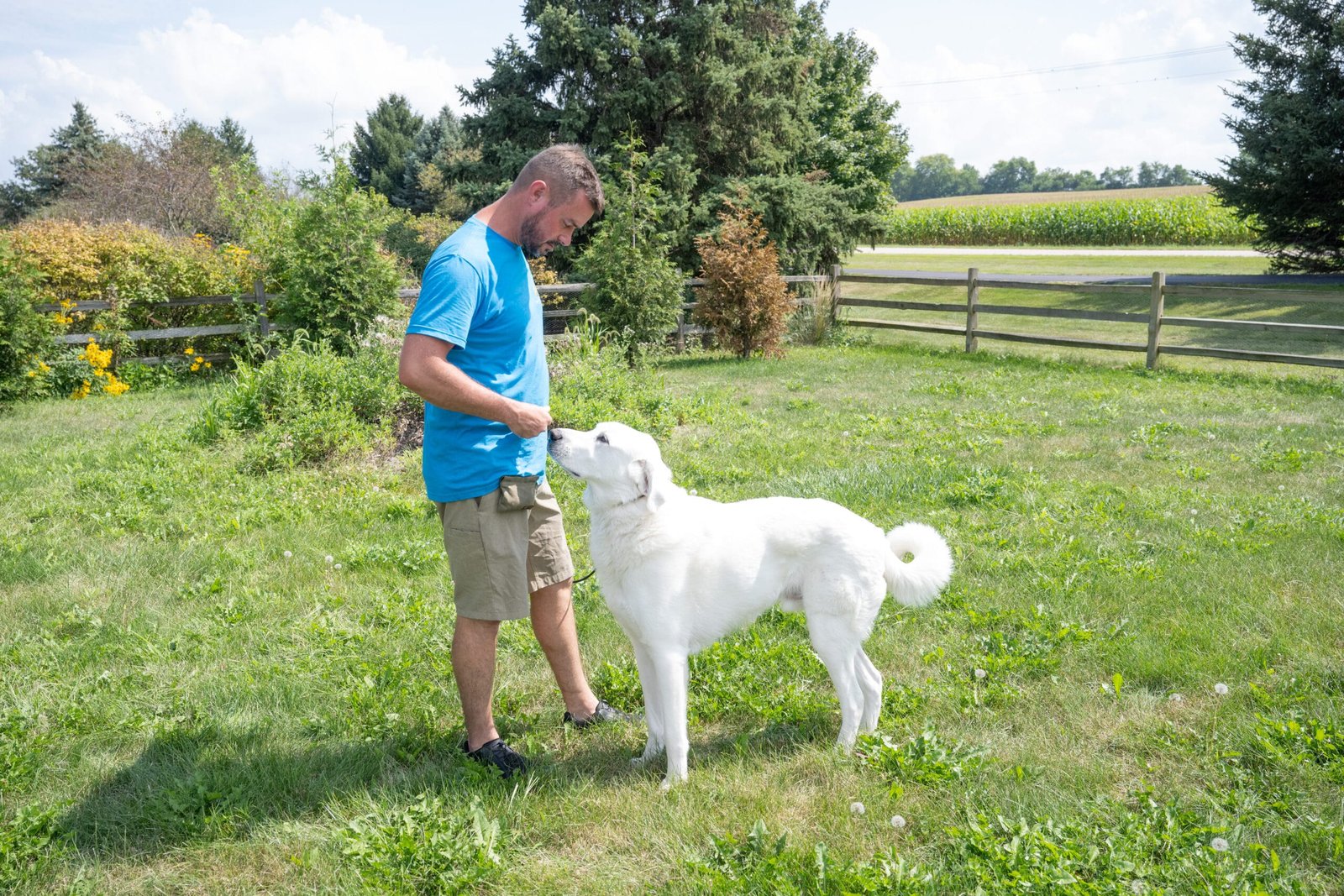
To teach a sit, the trainer holds food near the dog's nose and slowly moves it upward and slightly backward. As the dog's head follows the food, the rear naturally lowers. The moment the dog sits, the trainer marks and rewards the behavior.
The lure helps the dog discover the movement without physical manipulation. Once the dog moves smoothly, the trainer repeats the same hand motion without food in that hand, rewards from the other hand, and gradually makes the gesture smaller. The verbal cue is added when the behavior is predictable. This fading process prevents the dog from becoming dependent on seeing food before responding.
Luring is used side by side with marker training, timing, reinforcement, shaping, and motivation. The lure creates the movement, the marker identifies the completed behavior, and reinforcement makes the behavior worth repeating. Timing prevents the dog from being rewarded for jumping at the food or breaking position. Shaping may be used instead when the dog is worried, when the movement is complex, or when following a lure would hide useful thinking.
A trainer watches for common problems such as holding food too high, moving too quickly, or using the lure for too many repetitions. The goal is not to bribe the dog. The lure is a temporary teaching aid that helps the dog understand the movement before control is transferred to a clear cue.
Related Psychology
Marker TrainingMarker training uses a consistent word, sound, or click to identify the exact moment a dog performs the desired behavior. The marker…TimingTiming is the relationship between a behavior and the feedback that follows it. Clear timing helps the dog understand which exact action…ReinforcementReinforcement is any consequence that increases the likelihood a behavior will happen again. The consequence may be food, attention, movement, play, access,…ShapingShaping teaches a behavior by reinforcing small, achievable steps that gradually move toward the final goal. The trainer rewards progress instead of…
Related Dog Training
LuringLuring uses food, a toy, or another target to guide the dog into a position or movement. It is a temporary teaching…Marker TrainingMarker training uses a consistent word, click, or sound to identify the exact moment the dog performs the desired behavior. The marker…SitSit teaches the dog to place its rear on the ground and remain there until released or given another cue. It is…DownDown teaches the dog to place its elbows and body on the ground until released or given another cue. It can support…