Jumping is a common greeting or attention-seeking behavior in which a dog places its paws or body against a person. It often persists because it produces interaction.
Common Signs
- Jumping on People
- Door Rushing
- Pawing
- Mouthing
- Unable to Settle
- Ignoring Cues
Important Distinction
Turning away or saying “off” is not enough if the dog still receives attention some of the time. Inconsistent reinforcement can make jumping especially persistent.
What Can Help
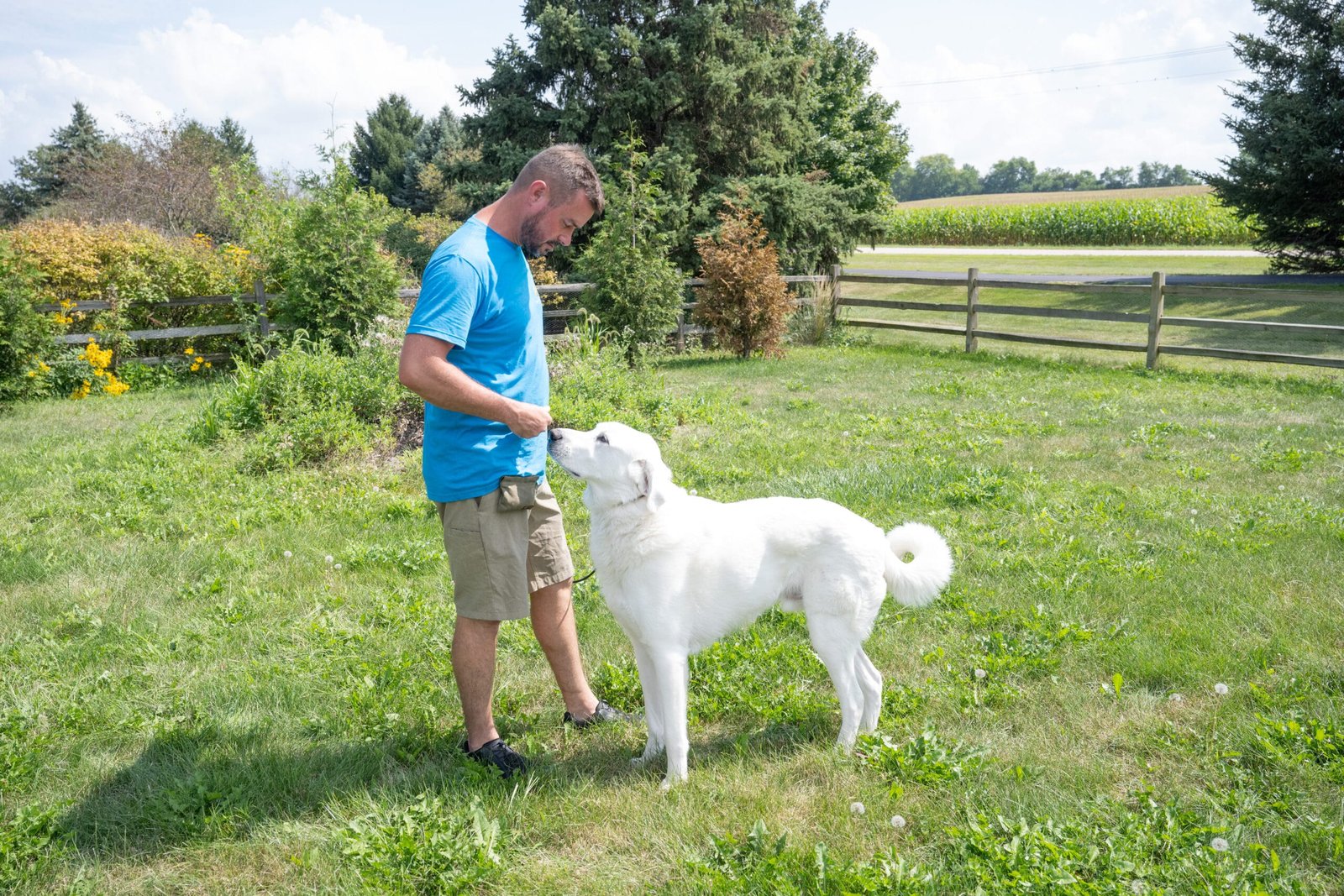
Create a repeatable greeting routine, manage the dog before guests enter, reinforce four paws on the floor, and practice with people who can follow the same plan.
When To Get Professional Help
Get help when jumping knocks people down, involves mouthing, escalates around guests, or makes it difficult to safely enter and exit the home.
Related Behavior Terms
Related Dog Psychology
Related Training Option
Private One-on-One Training
Every dog brings a different history, environment, and reason for the behavior. This service can help identify the right next step and build a plan around the dog in front of you.
This library provides general education, not an assessment of an individual dog. Sudden behavior changes, pain-related behavior, or an immediate safety concern should be discussed with an appropriate veterinary or behavior professional.