What Luring Means
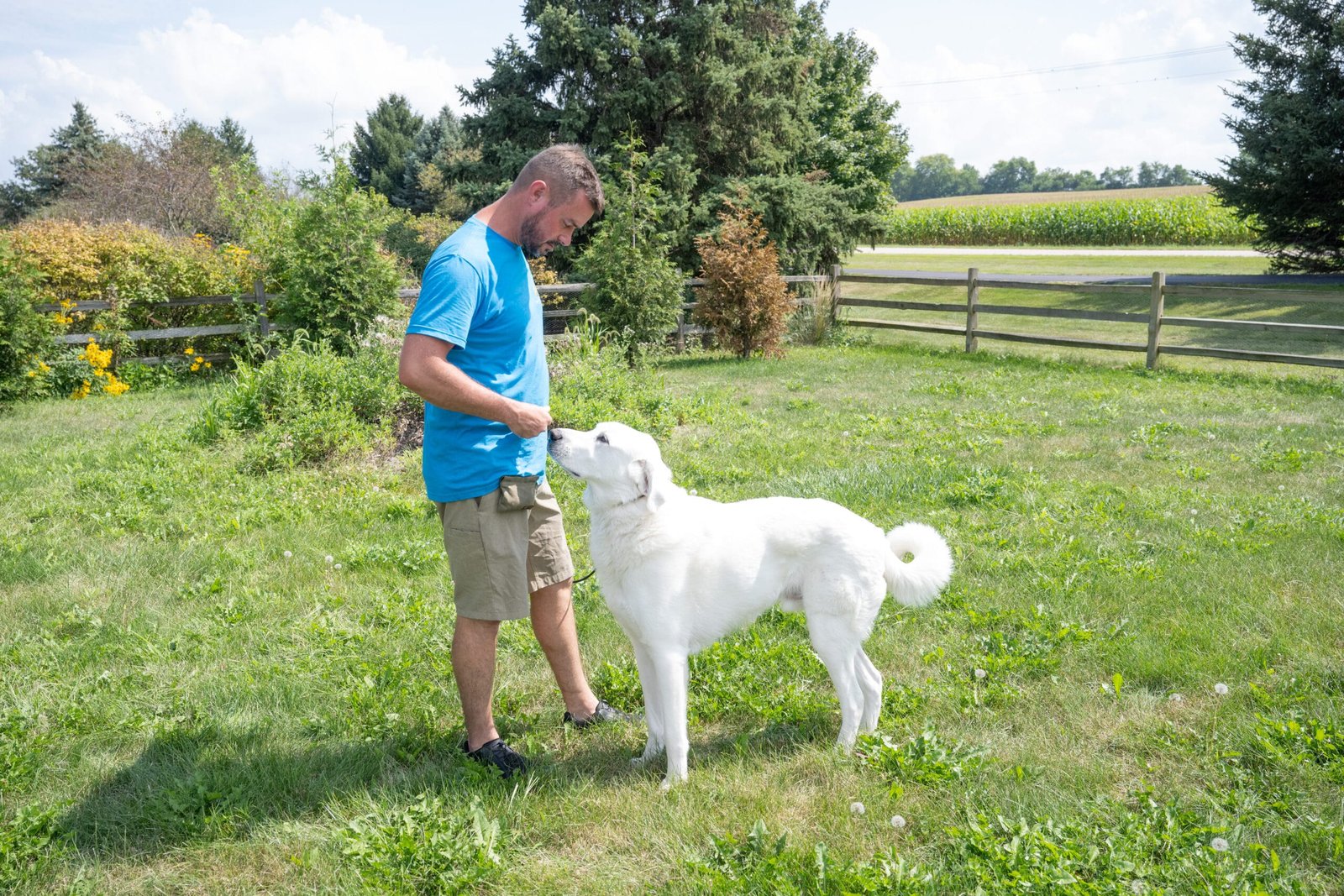
Luring uses food, a toy, or another target to guide the dog into a position or movement. It is a temporary teaching tool and should be faded so the dog can respond without seeing the reward first.
How To Teach Luring
Hold the lure close to the dog's nose and move it slowly enough for the dog to follow. To teach sit, move the lure slightly upward and backward. To teach down, lower it toward the floor and then move it forward between the paws. The moment the dog reaches the desired position, mark and reward.
After a few successful repetitions, begin fading the visible food. Make the same hand motion with an empty hand and reward from the other hand. Then reduce the size of the hand signal. Add the verbal cue only when the movement is predictable. Say the cue once, pause briefly, and then give the hand signal.
Avoid holding the lure too high, moving too quickly, or allowing the dog to bite at the food. If the dog is jumping or spinning, slow down and place the lure closer to the nose. Do not continue luring for weeks. A dog that only responds when food is visible has learned to follow food, not the cue.
Luring is useful for introducing positions, turns, heel location, crate entry, and body movement. It works best when paired with marker training, reward placement, and a clear fading plan. For dogs that become frustrated or overly focused on food, shaping or capturing may be a better option.
Relatable Child Psychology Analogy
Think about helping a young child learn to write a letter. At first, an adult may guide the child's hand through the movement. As the child understands the pattern, that physical help is gradually reduced until the child can write independently. A lure serves a similar temporary purpose for a dog. It helps create the movement, but it must be faded so the dog learns the behavior instead of waiting to see the food first.
Related Training
- EngagementEngagement is the dog's willingness to notice, connect with, and participate with the handler.
- Name RecognitionName recognition teaches the dog that hearing its name means to orient toward the handler for information.
- Marker TrainingMarker training uses a consistent word, click, or sound to identify the exact moment the dog performs the desired behavior.
- Reward PlacementReward placement is the deliberate location where reinforcement is delivered.
- ShapingShaping teaches a behavior by reinforcing small steps that gradually move toward the finished skill.
Related Dog Behavior
- Attention-Seeking BehaviorBehavior used to gain interaction, including pawing, nudging, barking, jumping, stealing objects, or interrupting people.
- Leash PullingForward, sideways, or backward pressure that keeps the leash tight or moves the handler.
- JumpingPlacing the front paws or body onto a person, object, door, or surface, often during greetings or excitement.
- ReactivityAn intense response to a trigger that may include barking, lunging, pulling, freezing, spinning, or difficulty disengaging.
Related Psychology
- ReinforcementAny consequence that increases the likelihood a behavior will happen again.
- TimingHow closely feedback or consequences follow a behavior, affecting what the dog connects to the outcome.
- AssociationA learned connection between events, cues, places, actions, emotions, or outcomes.
- GeneralizationApplying learning across different places, people, positions, distances, and situations.
- Food MotivationThe degree to which food functions as a valuable outcome for an individual dog in a specific context.