What Excitement Means
A heightened emotional state associated with anticipation, novelty, social interaction, movement, or reward.
How Excitement Appears in Everyday Life
A dog becomes wildly excited when guests arrive. The dog runs between people, jumps, vocalizes, and struggles to respond to familiar cues. The dog may not be anxious or aggressive. The emotional intensity is simply too high for organized behavior.
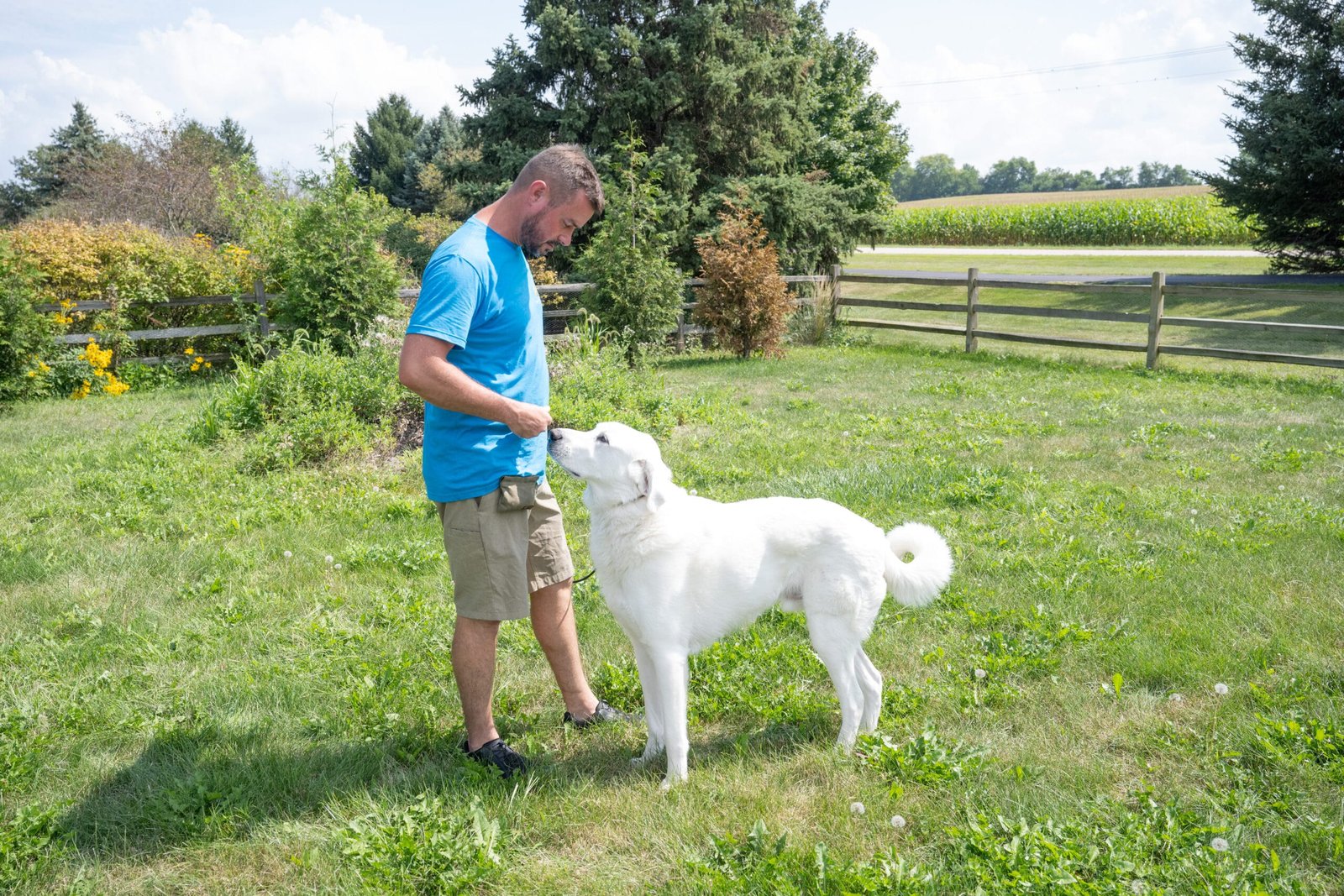
A trainer begins before the door opens. The arrival routine is made predictable, the dog is given space, and the first criteria are realistic. The trainer may reinforce four paws on the floor, a brief check-in, or movement toward a mat. Guests are coached to avoid adding stimulation through loud voices, leaning over, or immediate petting. Short breaks may be used so the dog can recover between repetitions.
Excitement is used side by side with arousal, overarousal, threshold, predictability, and reinforcement. Arousal describes the dog's level of activation. Overarousal occurs when that activation disrupts self-control. Threshold helps determine when the dog is no longer able to learn. Predictability reduces intensity created by uncertainty. Reinforcement strengthens calm choices without requiring the dog to become emotionless.
A trainer does not treat excitement as bad behavior by itself. The goal is to help the dog move through excitement without losing the ability to think. A dog can be happy to see guests and still learn a greeting routine that is safe, clear, and repeatable.
Related Psychology
- Food MotivationThe degree to which food functions as a valuable outcome for an individual dog in a specific context.
- Toy MotivationThe degree to which play or access to a toy functions as a valuable outcome.
- Social MotivationThe value a dog places on attention, touch, play, proximity, or interaction with people or other dogs.
- Environmental RewardsNaturally valuable opportunities in the environment, including sniffing, exploring, greeting, movement, and gaining distance.
Related Dog Behavior
- JumpingPlacing the front paws or body onto a person, object, door, or surface, often during greetings or excitement.
- Demand BarkingBarking that has learned to produce attention, food, movement, play, access, or another desired outcome.
- Play BowA lowered front end with the rear raised, commonly used to invite or maintain play.
- ChasingRapid pursuit of people, animals, vehicles, bicycles, toys, or moving objects.
- Attention-Seeking BehaviorBehavior used to gain interaction, including pawing, nudging, barking, jumping, stealing objects, or interrupting people.
Related Dog Training
- Reward PlacementReward placement is the deliberate location where reinforcement is delivered.
- EngagementEngagement is the dog's willingness to notice, connect with, and participate with the handler.
- RecallRecall teaches the dog to turn away from the environment, travel to the handler, and come all the way within reach.
- Marker TrainingMarker training uses a consistent word, click, or sound to identify the exact moment the dog performs the desired behavior.
- Puppy SocializationPuppy socialization is the process of creating safe, positive exposure to people, animals, surfaces, sounds, handling, environments, and everyday life during.