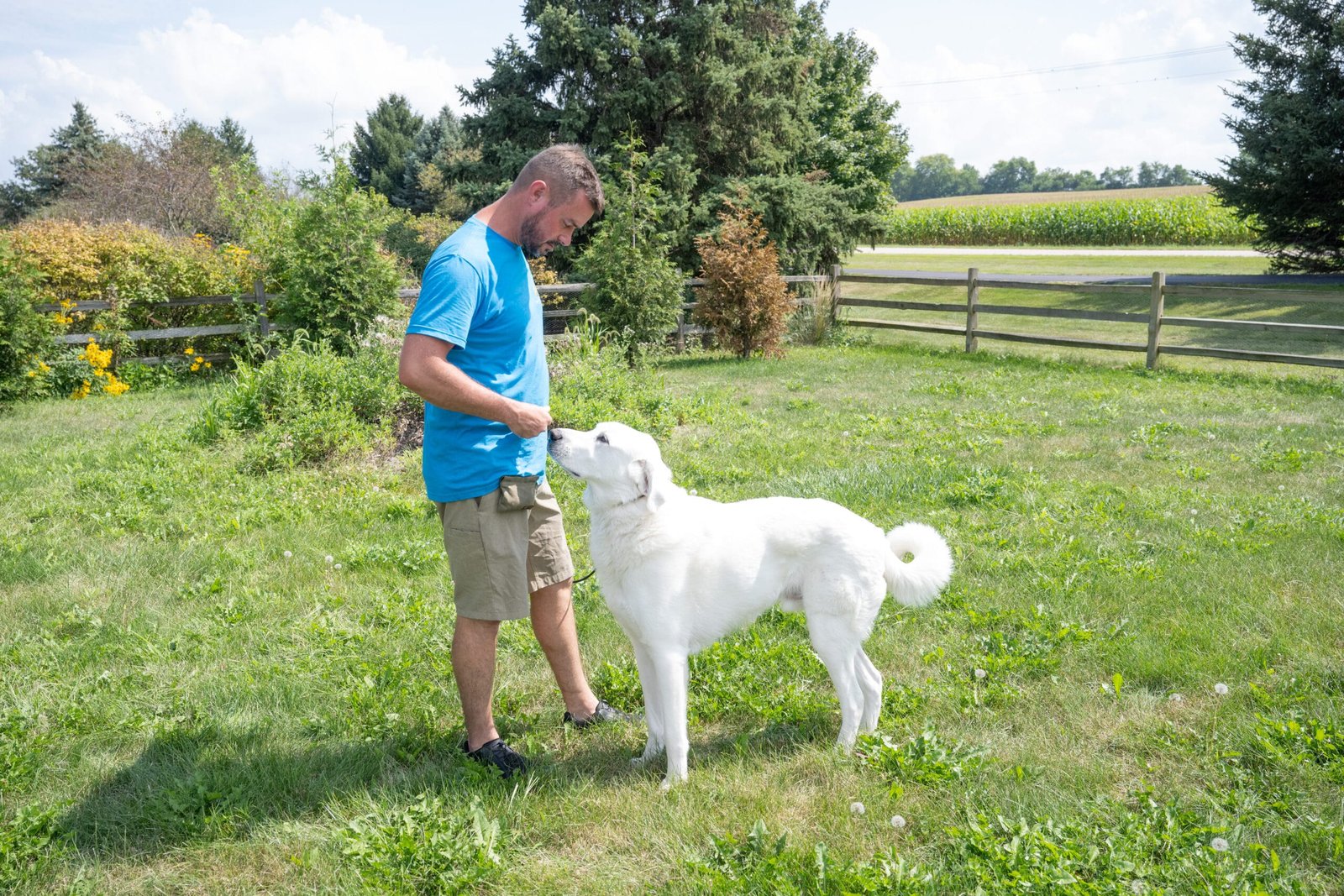
Demand barking is vocal behavior used to request access, attention, play, food, movement, or another outcome the dog has learned barking may produce.
Common Signs
- Repeated Barking
- Pawing
- Staring
- Nudging
- Jumping
- Escalating Vocalization
Important Distinction
The dog is not being manipulative in a human sense. It is repeating behavior that has worked, sometimes inconsistently, which can make the pattern even more persistent.
What Can Help
Identify what the barking earns, teach a clear alternative, reinforce quiet before the demand begins, and make household responses consistent enough that barking no longer controls the outcome.
When To Get Professional Help
Professional support can help when demand barking is constant, paired with frustration or biting, disruptive across settings, or difficult for the household to respond to consistently.
Related Behavior Terms
Related Dog Psychology
Related Training Option
Private One-on-One Training
Every dog brings a different history, environment, and reason for the behavior. This service can help identify the right next step and build a plan around the dog in front of you.
This library provides general education, not an assessment of an individual dog. Sudden behavior changes, pain-related behavior, or an immediate safety concern should be discussed with an appropriate veterinary or behavior professional.