What Alternative Behavior Training Means
Alternative behavior training teaches the dog a specific, realistic response that can replace an unwanted behavior. The replacement must meet the situation, be easier to perform, and produce a valuable outcome.
How To Teach Alternative Behavior Training
Define the problem in observable terms. Instead of “be good at the door,” identify that the dog jumps and rushes guests. Choose an alternative such as place, four paws on the floor, or checking in beside the handler.
Teach the replacement away from the difficult situation first. Build a strong reinforcement history in a quiet setting, then add pieces of the real trigger gradually. Use management so the dog cannot repeatedly practice the old behavior while the new skill is developing.
The alternative should make sense for the dog's emotion and motivation. Asking a frightened dog to sit close to a stranger may not be realistic. Creating distance and teaching a turn-away response may be safer. Asking an excited dog to lie still for several minutes may be too difficult, while a hand target or brief place behavior may be achievable.
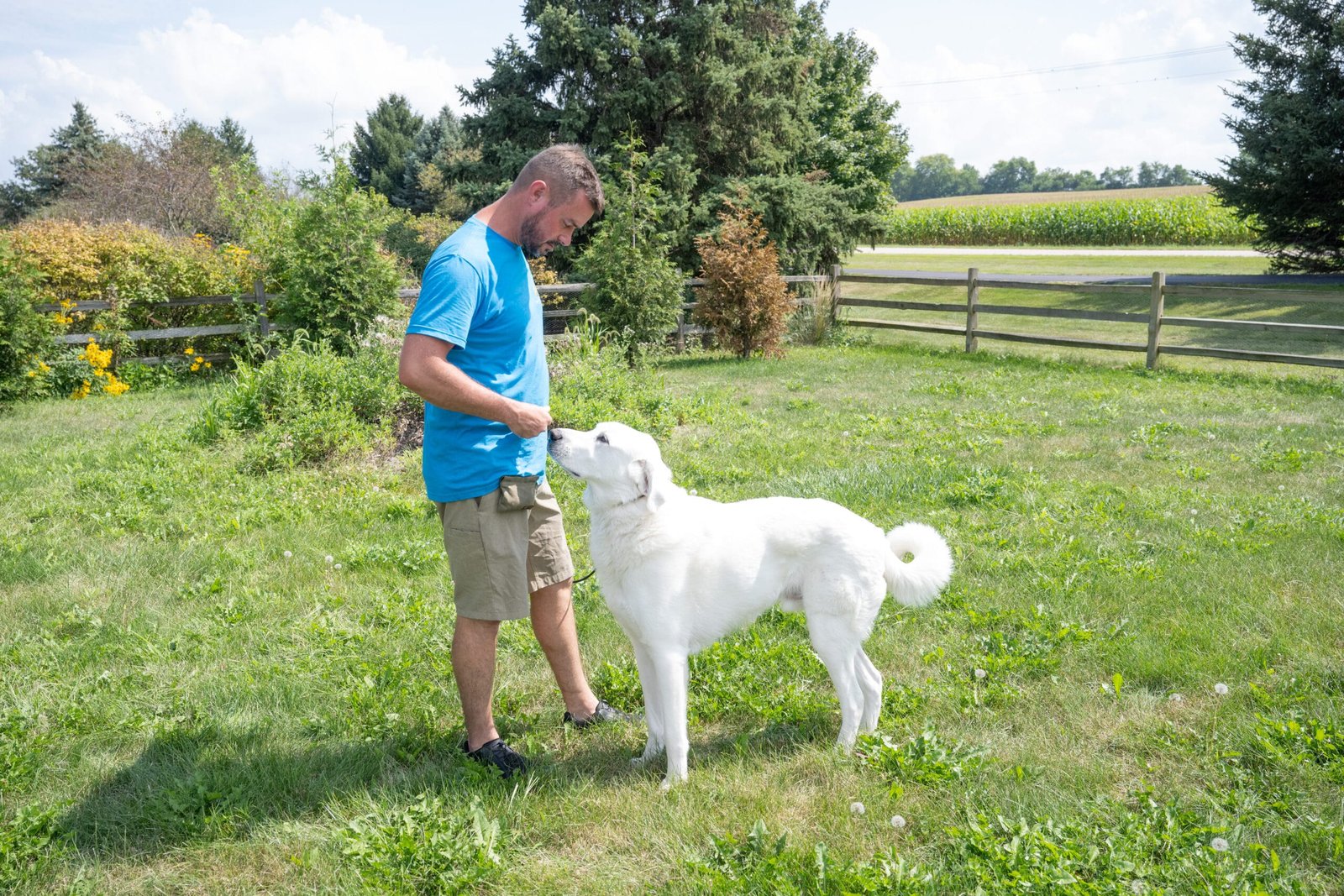
Reinforce the replacement with what the dog values. Calm behavior can earn greeting, movement, food, sniffing, or distance. The result should compete with the payoff of the old behavior.
Alternative behavior training works with management, marker training, reward placement, and proofing. It does not erase the dog's emotion by itself. When fear, anxiety, or frustration drives the behavior, combine the replacement skill with counterconditioning and threshold management.
Relatable Child Psychology Analogy
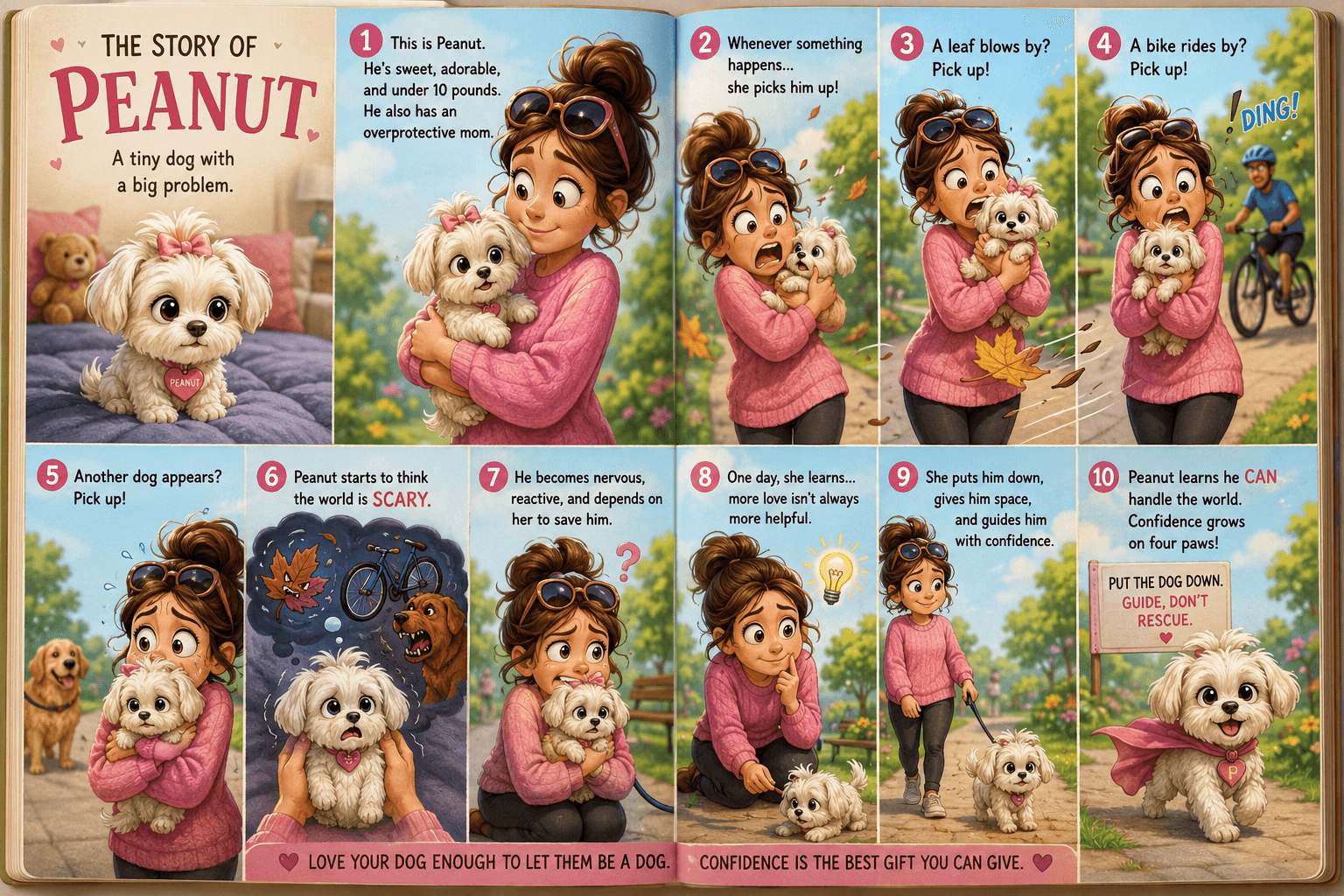
Think about a child who bangs on the table during a long wait. Repeatedly saying “stop” leaves an empty space without showing what the child should do instead. Giving the child paper to draw on and reinforcing that activity creates a realistic alternative. Dogs benefit from the same clarity. Instead of focusing only on stopping barking, jumping, or pulling, the trainer teaches a behavior that meets the situation more appropriately and can be reinforced.
Related Training
- Leave ItLeave it teaches the dog to disengage from an item, smell, person, animal, or opportunity before taking it.
- Drop ItDrop it teaches the dog to release an item already held in its mouth.
- ManagementManagement changes the environment to prevent unwanted behavior from being rehearsed while training is underway.
- Reward PlacementReward placement is the deliberate location where reinforcement is delivered.
Related Dog Behavior
- Resource GuardingBehavior used to maintain access to food, toys, spaces, stolen objects, or other things a dog values.
- Object StealingTaking and carrying household items, clothing, food, or objects that are not intended for the dog.
- ScavengingSearching for and consuming discarded food, trash, animal remains, or other edible material.
- Counter SurfingSearching counters, tables, sinks, or other surfaces for food or interesting objects.
- Destructive ChewingChewing that damages household items, doors, furniture, clothing, or personal belongings.
Related Psychology
- ReinforcementAny consequence that increases the likelihood a behavior will happen again.
- AssociationA learned connection between events, cues, places, actions, emotions, or outcomes.
- Choice and AgencyThe dog’s ability to make meaningful choices and influence what happens during an interaction.
- Frustration ToleranceThe ability to remain organized when access, movement, attention, or reinforcement is delayed or unavailable.