What Directional Changes Means
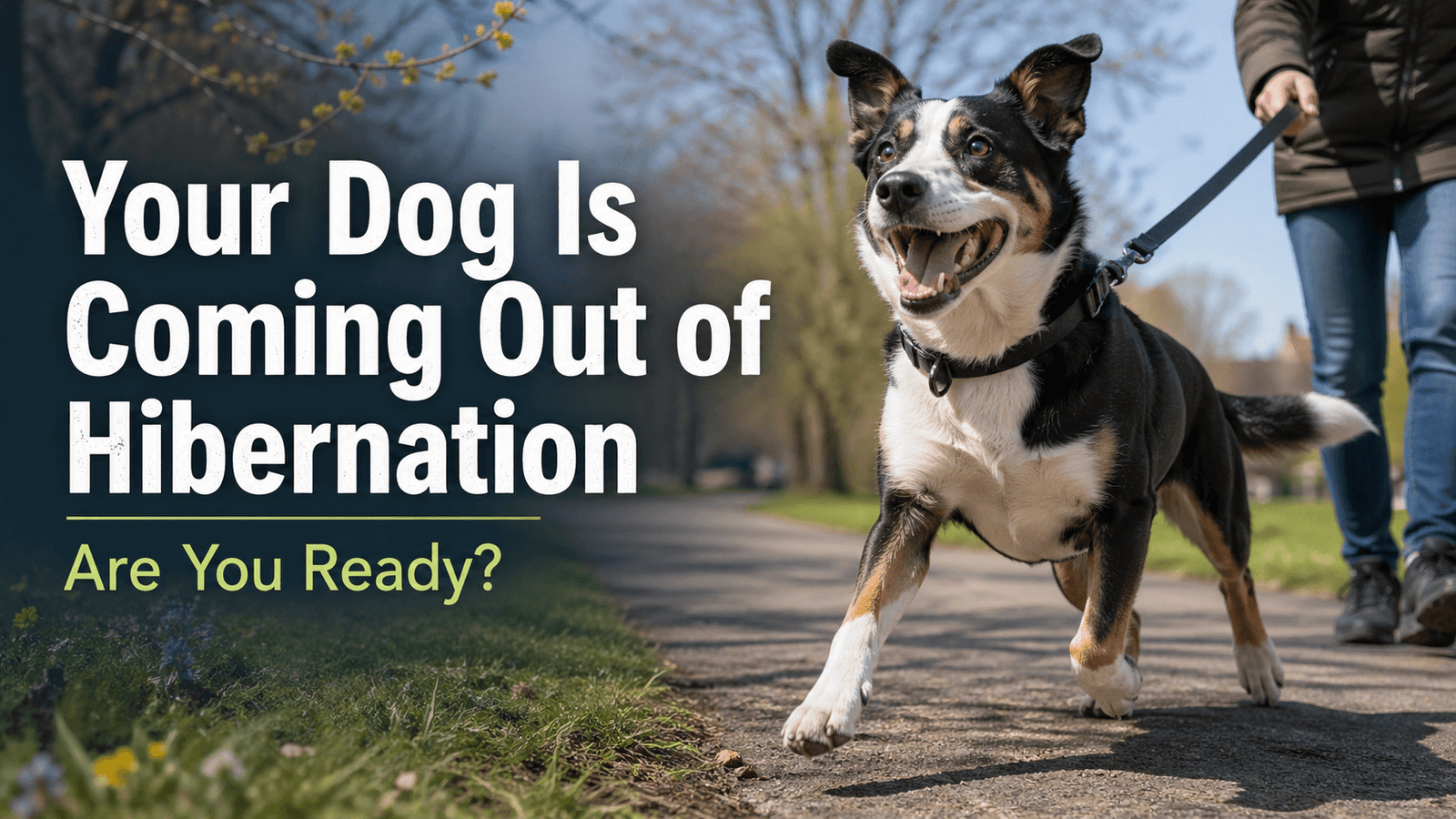
Directional changes teach the dog to notice and follow changes in the handler's movement. They improve leash awareness, engagement, turning, and the ability to move away from distractions without pulling.
How To Teach Directional Changes
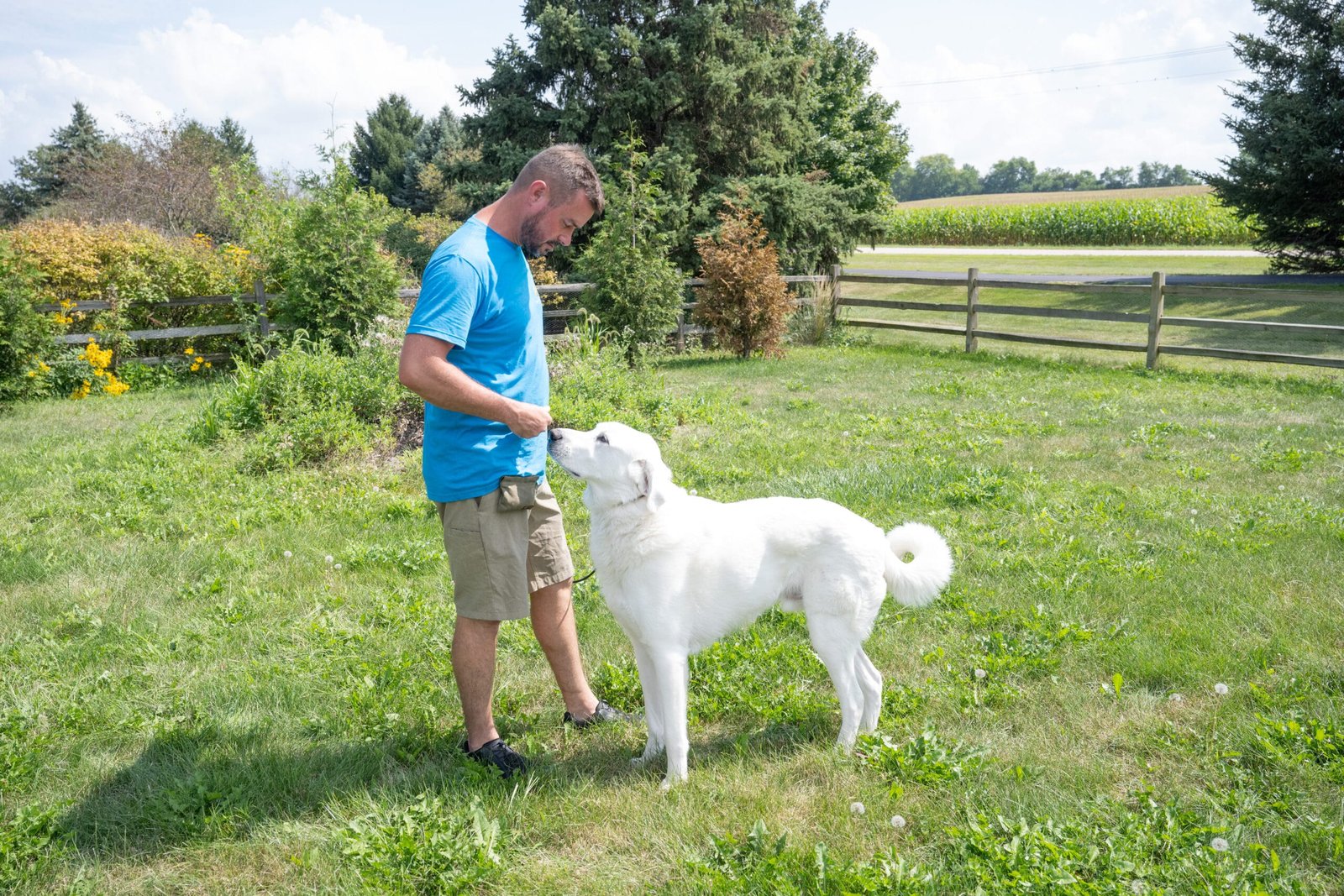
Start in an open, quiet area. Walk several steps, then turn smoothly and move in a new direction. Mark when the dog notices and follows. Reward beside you after the turn. Keep the leash loose enough for the dog to make the choice before reaching the end of it.
Practice left turns, right turns, about turns, slowing, and stopping. Use clear body movement rather than repeated verbal commands. The dog learns to monitor your direction because changes consistently create reinforcement and access to movement.
If the dog is distracted, make the turn earlier and create more distance. Do not wait until the leash is tight and then pull the dog around. Hand targets, name recognition, or light leash pressure can support the turn, but the final goal is responsive movement without physical conflict.
Use directional changes during real walks to pass distractions, reset pulling, and keep the route interactive. Avoid changing direction so constantly that the walk becomes frustrating or unpredictable. The dog still needs time to sniff and move naturally.
Directional changes work with check-ins, heel, loose leash walking, and engagement. They give the handler a practical way to guide movement before behavior escalates. The skill becomes reliable when the dog learns that watching the handler helps it predict where movement and reinforcement will go next.
Relatable Child Psychology Analogy
Think about walking through a store with a child who learns to notice when the parent turns into another aisle. The adult does not need to pull the child every time because the child has practiced staying aware of movement. Directional changes teach a dog a similar habit. The handler's path becomes meaningful information, encouraging the dog to follow changes instead of moving forward as though the person on the leash is irrelevant.
Related Training
- Loose Leash WalkingLoose leash walking teaches the dog to move with the handler while keeping slack in the leash.
- HeelHeel teaches the dog to maintain a specific position beside the handler, usually with the shoulder near the handler's leg.
- Leash PressureLeash pressure training teaches the dog to respond to light directional tension by moving with it and restoring slack.
- Check-InsCheck-ins are voluntary moments when the dog looks toward, moves closer to, or reconnects with the handler.
- Long-Line TrainingLong-line training uses a longer leash to practice recall, exploration, distance skills, and controlled freedom while maintaining physical safety.
Related Dog Behavior
- Leash PullingForward, sideways, or backward pressure that keeps the leash tight or moves the handler.
- LungingA sudden forward movement toward a person, dog, object, sound, or other trigger.
- FixationSustained visual or physical focus that makes it difficult for a dog to disengage and respond to the handler.
- ChasingRapid pursuit of people, animals, vehicles, bicycles, toys, or moving objects.
- Greeting FrustrationBarking, pulling, whining, or lunging when a dog wants social access but cannot reach the person or dog.
Related Psychology
- Environmental RewardsNaturally valuable opportunities in the environment, including sniffing, exploring, greeting, movement, and gaining distance.
- ReinforcementAny consequence that increases the likelihood a behavior will happen again.
- Premack PrincipleUsing a more probable or preferred activity to reinforce a less probable behavior.
- ArousalThe level of nervous-system activation that influences attention, movement, emotion, and responsiveness.
- TimingHow closely feedback or consequences follow a behavior, affecting what the dog connects to the outcome.