What Name Recognition Means
Name recognition teaches the dog that hearing its name means to orient toward the handler for information. The name should gain attention, not function as a correction or be repeated until it loses meaning.
How To Teach Name Recognition
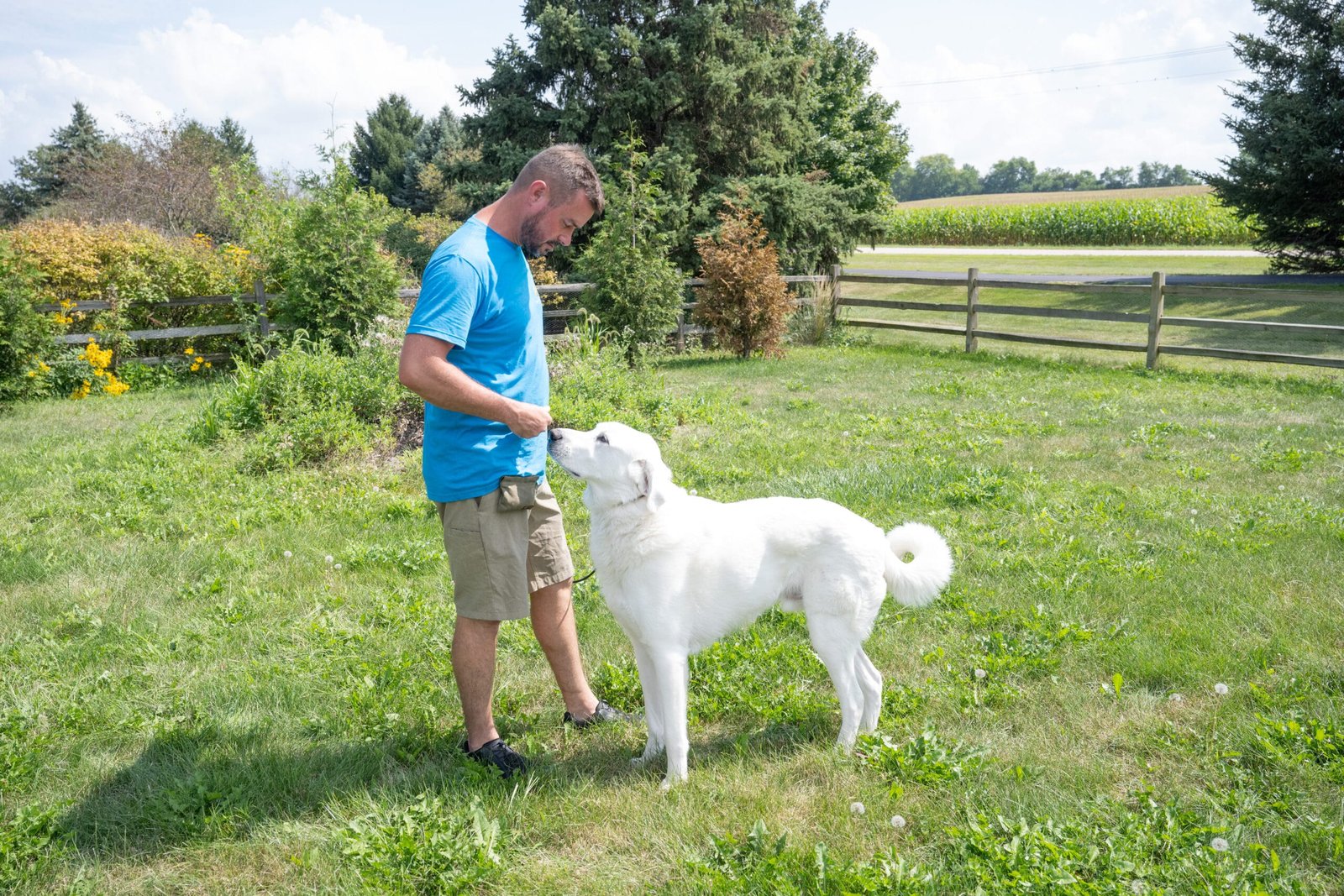
Begin in a quiet room. Say the dog's name one time in a normal, upbeat voice. The instant the dog turns its head, looks toward you, or moves in your direction, mark and reward. After several repetitions, pause longer between attempts so the dog is not simply responding to a predictable rhythm.
Practice from different positions. Say the name while standing, sitting, moving, and facing away. Keep the distance short at first. If the dog does not respond, do not repeat the name five times. Make the next repetition easier by moving closer, reducing distractions, or using a more valuable reward. The dog should learn that the first use of the name matters.
Next, practice around mild distractions. Allow the dog to notice something, say the name once, and reward the turn back toward you. This is not the same as demanding prolonged eye contact. The first goal is orientation. Once the dog responds, you can give another cue, change direction, or release the dog back to the environment.
Avoid using the dog's name immediately before something unpleasant whenever possible. Repeatedly saying the name while scolding, ending play, or forcing handling can weaken the response. Name recognition supports engagement, recall, leash work, and interruption before behavior escalates. It gives the handler a clean way to open communication without shouting or physically moving the dog.
Relatable Child Psychology Analogy
Think about how a child learns that hearing their name means an adult has useful information for them. When the name is said once and followed by clear, respectful communication, the child learns to orient toward the speaker. When the name is repeated constantly during frustration or scolding, it becomes background noise. A dog's name works in a similar way. It should open communication, not become a word the dog hears five times before anything meaningful happens.
Related Training
- EngagementEngagement is the dog's willingness to notice, connect with, and participate with the handler.
- Marker TrainingMarker training uses a consistent word, click, or sound to identify the exact moment the dog performs the desired behavior.
- Reward PlacementReward placement is the deliberate location where reinforcement is delivered.
- LuringLuring uses food, a toy, or another target to guide the dog into a position or movement.
- ShapingShaping teaches a behavior by reinforcing small steps that gradually move toward the finished skill.
Related Dog Behavior
- Attention-Seeking BehaviorBehavior used to gain interaction, including pawing, nudging, barking, jumping, stealing objects, or interrupting people.
- Leash PullingForward, sideways, or backward pressure that keeps the leash tight or moves the handler.
- JumpingPlacing the front paws or body onto a person, object, door, or surface, often during greetings or excitement.
- ReactivityAn intense response to a trigger that may include barking, lunging, pulling, freezing, spinning, or difficulty disengaging.
Related Psychology
- ReinforcementAny consequence that increases the likelihood a behavior will happen again.
- TimingHow closely feedback or consequences follow a behavior, affecting what the dog connects to the outcome.
- AssociationA learned connection between events, cues, places, actions, emotions, or outcomes.
- GeneralizationApplying learning across different places, people, positions, distances, and situations.
- Food MotivationThe degree to which food functions as a valuable outcome for an individual dog in a specific context.