What Generalization Means
Generalization teaches the dog that a known cue applies in different rooms, locations, surfaces, handler positions, and levels of distraction. Dogs often need deliberate practice before a skill transfers beyond the original setting.
How To Teach Generalization
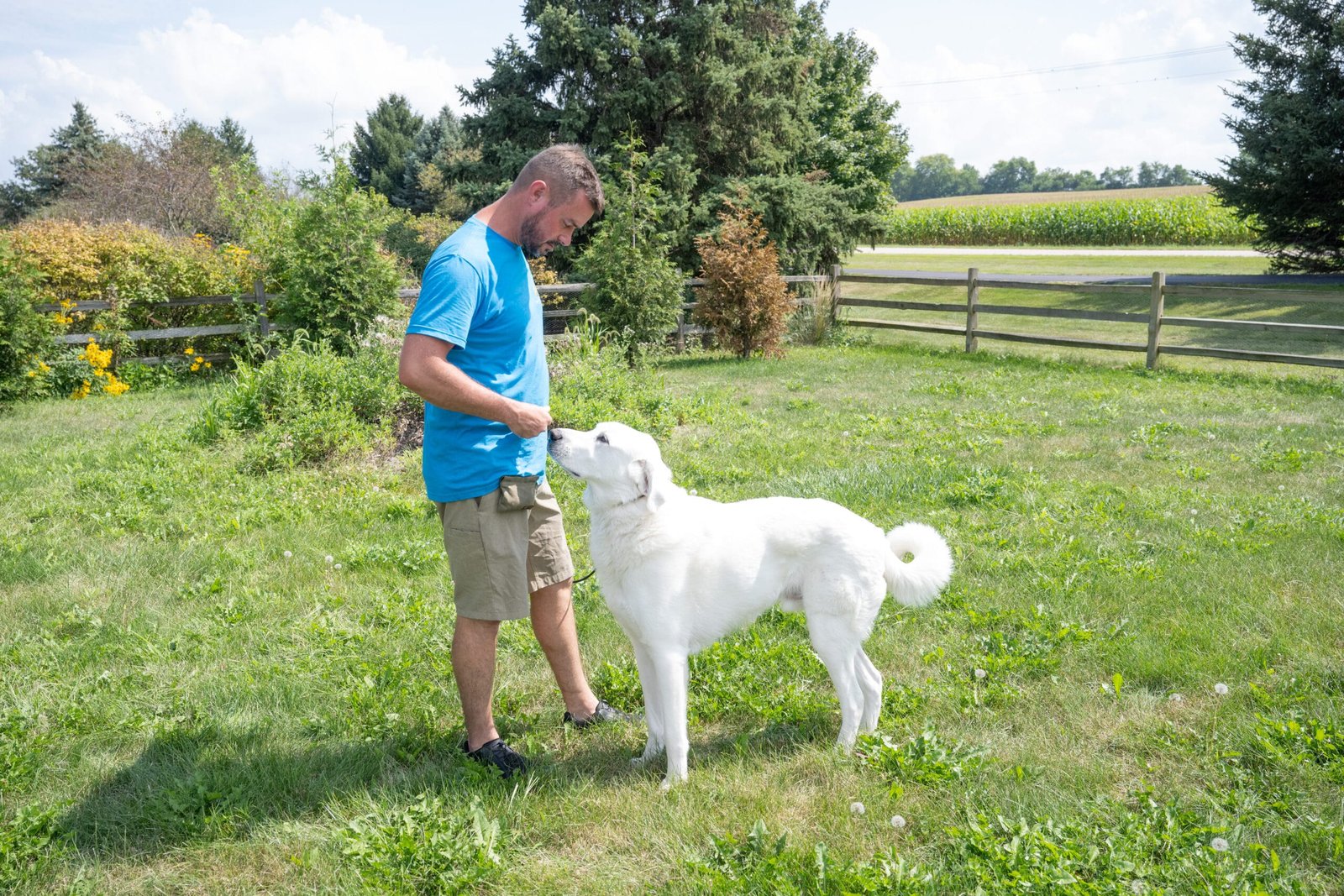
Start with a behavior the dog performs reliably at home. Move to a slightly different context, such as another room, the driveway, or a quiet yard. Lower the criteria and use stronger reinforcement at first. The dog may need a hand signal, shorter duration, or closer distance even though the cue is familiar.
Change one variable at a time. Practice sit on carpet, tile, grass, and pavement. Practice place with the handler standing, sitting, and moving. Practice recall from different directions and short distances. When the dog succeeds, gradually add more environmental difficulty.
Do not assume failure in a new location means the dog is refusing. The location itself may have been part of the original learning picture. Repeating the cue louder usually does not solve that problem. Help the dog recognize the same pattern in the new context, then fade the extra help.
Generalization works with proofing, but they are not identical. Generalization expands where and how the behavior applies. Proofing strengthens the behavior around deliberate distractions and difficulty. Good training includes both. Without generalization, a dog may look excellent in the kitchen and confused at the park. With structured practice across environments, the cue becomes useful in real life instead of remaining tied to one training setup.
Relatable Child Psychology Analogy
Think about a child who can count money at the kitchen table but becomes confused when asked to use the same skill in a busy store. The child knows the concept, but the setting, distractions, and pressure are different. Dogs experience a similar challenge. A behavior learned in the living room does not automatically transfer to the sidewalk, park, or veterinarian's office. Both learners need guided practice across different contexts before the skill becomes broadly reliable.
Related Training
ProofingProofing strengthens a known behavior around distractions, duration, distance, and real-life difficulty. It happens after the dog understands the basic skill and…Marker TrainingMarker training uses a consistent word, click, or sound to identify the exact moment the dog performs the desired behavior. The marker…Reward PlacementReward placement is the deliberate location where reinforcement is delivered. Where the reward appears influences the dog's body position, movement, focus, and…EngagementEngagement is the dog's willingness to notice, connect with, and participate with the handler. It is not constant eye contact. It is…
Related Dog Behavior
GeneralizationGeneralization is a dog’s ability to perform a learned behavior across different people, places, positions, surfaces, distractions, and situations.ProofingProofing is the process of strengthening a learned behavior around gradually increasing distractions, duration, distance, and changes in context.
Related Psychology
GeneralizationApplying learning across different places, people, positions, distances, and situations.AssociationA learned connection between events, cues, places, actions, emotions, or outcomes.ConsistencyThe reliability of cues, boundaries, consequences, and reinforcement across repetitions and people.ConfidenceA dog’s ability to approach situations, make decisions, and recover from challenges without becoming overwhelmed.