What Confidence Means
A dog’s ability to approach situations, make decisions, and recover from challenges without becoming overwhelmed.
How Confidence Appears in Everyday Life
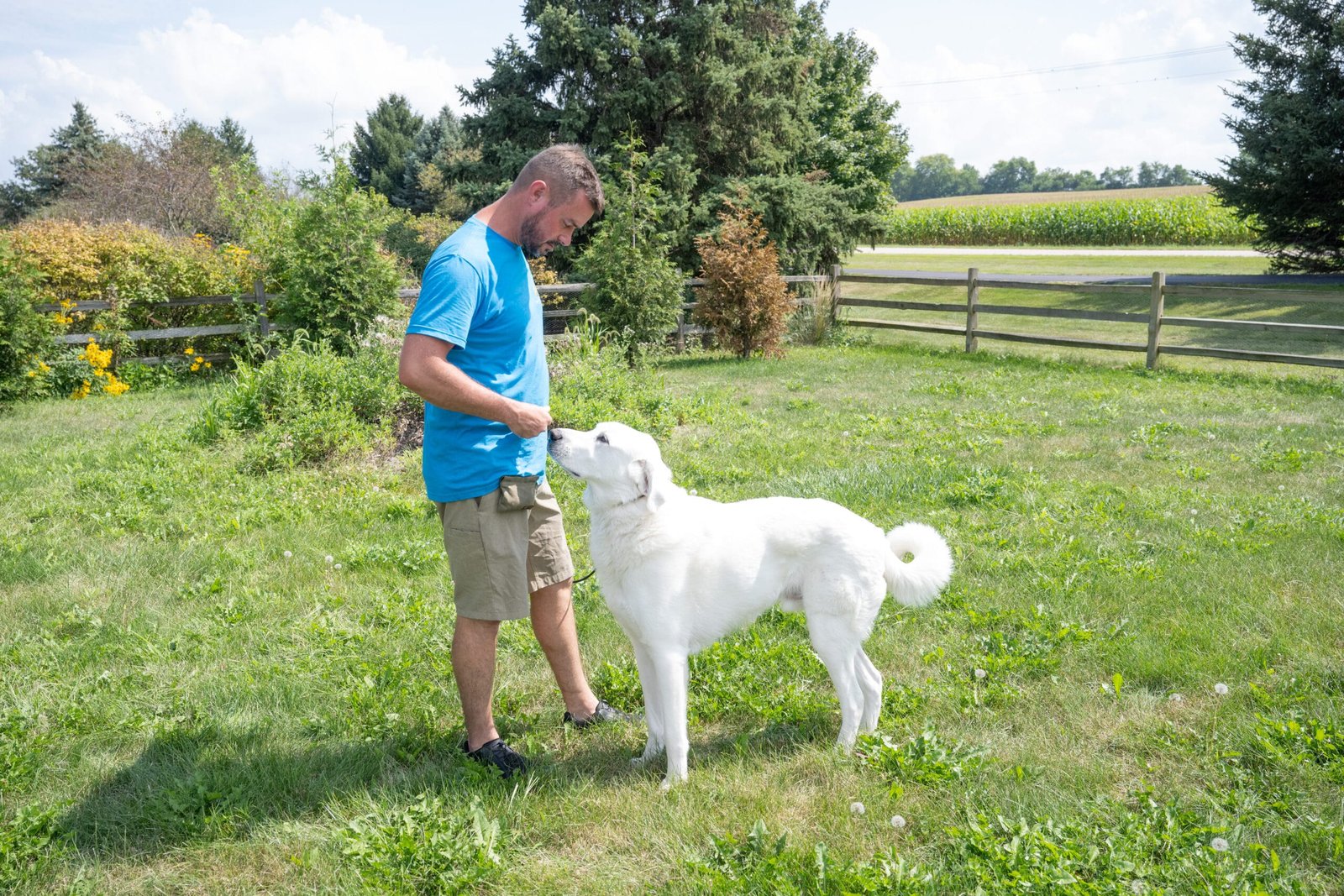
A dog is hesitant to walk across a new metal surface. Instead of pulling the dog forward, the trainer allows investigation from a comfortable distance. Looking at the surface earns reinforcement. Stepping closer earns reinforcement. The dog is given time to sniff, place one paw, step away, and try again.
The trainer does not remove all difficulty, but the challenge remains small enough for the dog to succeed. Each successful attempt gives the dog useful information: the surface is safe, the handler is predictable, and the dog has some control over the experience. Over time, hesitation decreases and recovery becomes faster.
Confidence is used side by side with shaping, problem solving, trust, threshold, and recovery. Shaping breaks the challenge into achievable pieces. Problem solving allows the dog to participate instead of being physically placed into position. Trust grows because the handler respects the dog's communication. Threshold prevents the exercise from becoming overwhelming. Recovery shows how quickly the dog settles after uncertainty.
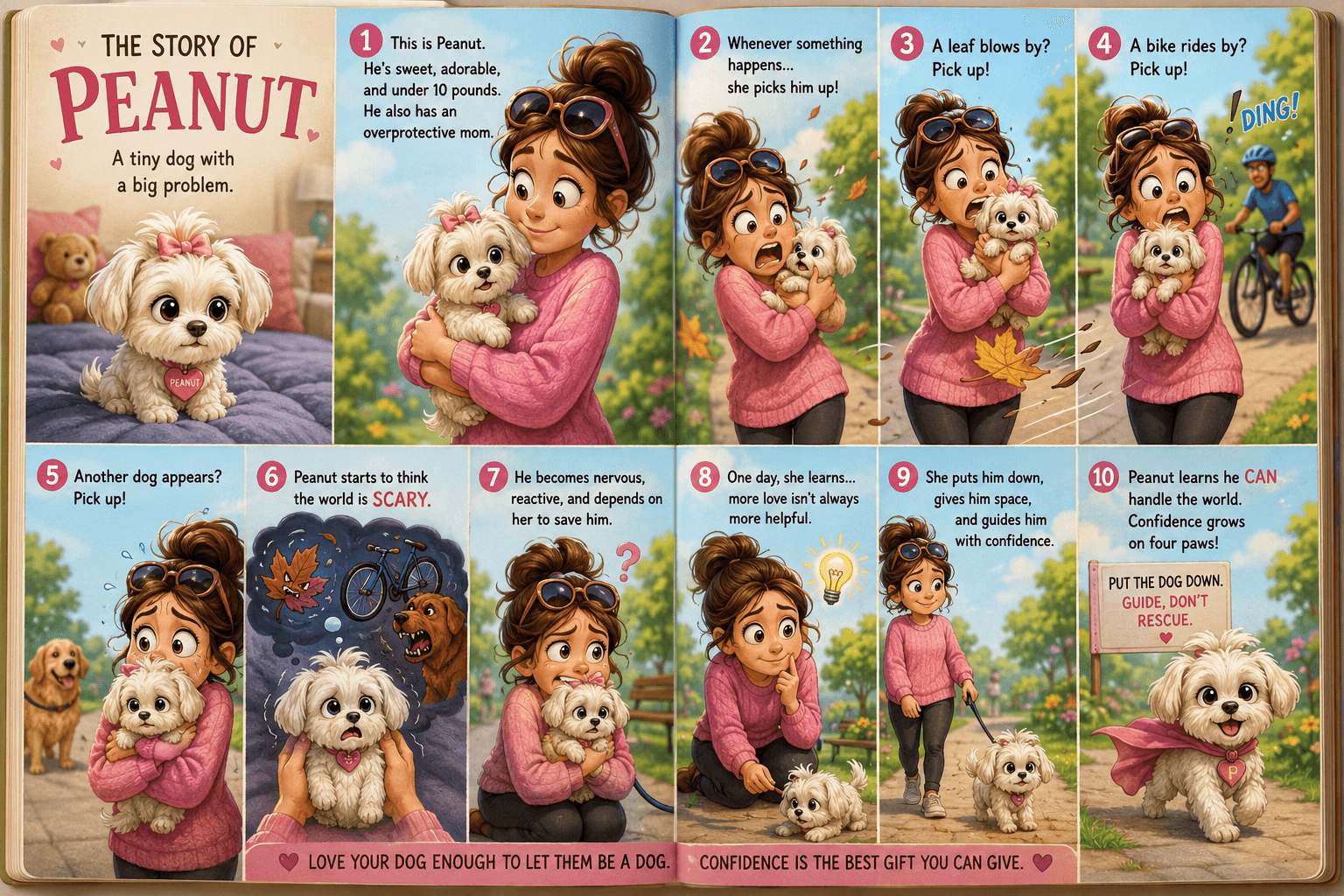
A trainer builds confidence through controlled exposure, movement, exploration, body awareness, cooperative care, and successful training sessions. Confidence is not created by forcing a dog to “get over it.” Forced exposure can produce shutdown or sensitization. Real confidence comes from repeated experiences in which the dog can think, make a choice, and discover that the outcome is manageable.
Related Psychology
- TrustConfidence that another individual will behave in a predictable, safe, and understandable way.
- AttachmentAn emotional bond that influences proximity seeking, security, exploration, and responses to separation.
- Social LearningLearning by observing or interacting with people, dogs, or other animals.
- Emotional ContagionThe transfer or alignment of emotional states between individuals through social cues and interaction.
- Choice and AgencyThe dog’s ability to make meaningful choices and influence what happens during an interaction.
Related Dog Behavior
- AvoidanceBehavior used to increase distance from, delay, or escape a person, place, object, interaction, or task.
- Separation DistressDistress that appears when a dog is left alone or separated from a particular person.
- Fearful BehaviorBehavior that communicates concern about a person, animal, object, sound, place, or interaction.
- Appeasement BehaviorBehavior intended to reduce social tension, avoid conflict, or communicate non-threat.
- HidingMoving behind furniture, people, walls, crates, or other cover to reduce exposure to something concerning.
Related Dog Training
- Cooperative CareCooperative care teaches the dog to participate voluntarily in grooming, medical handling, and body care.
- Alone-Time TrainingAlone-time training teaches the dog to remain comfortable when separated from the owner for manageable periods.
- EngagementEngagement is the dog's willingness to notice, connect with, and participate with the handler.
- Puppy SocializationPuppy socialization is the process of creating safe, positive exposure to people, animals, surfaces, sounds, handling, environments, and everyday life during.
- Handling and GroomingHandling and grooming training prepares the dog for touch, brushing, bathing, nail care, ear care, and routine body inspection.