What Generalization Means
Applying learning across different places, people, positions, distances, and situations.
How Generalization Appears in Everyday Life
A dog performs “down” perfectly in the living room but appears confused at the park. The owner believes the dog is ignoring the cue, but the dog learned the behavior in a specific context with familiar flooring, body position, and few distractions.
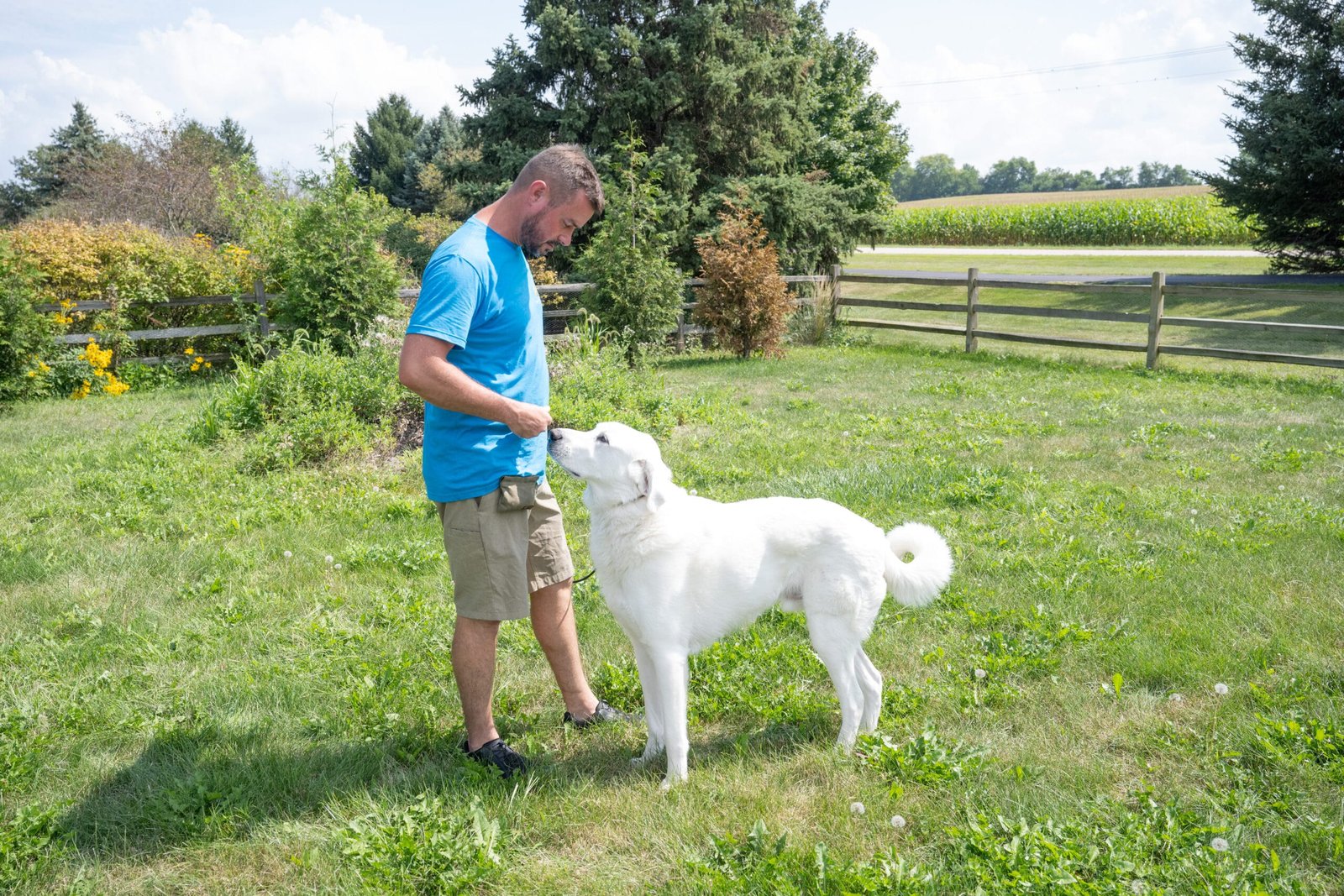
A trainer rebuilds the behavior in several settings. The first repetitions at the park are made easier, reinforcement becomes more valuable, and the trainer may briefly use a familiar hand signal. Practice then expands to different rooms, surfaces, distances, handler positions, and levels of distraction. Each new context begins with realistic criteria.
Generalization is used side by side with association, reinforcement, timing, consistency, and confidence. Association explains why the original environment became part of the dog's understanding. Reinforcement strengthens the behavior in each new context. Timing preserves clarity. Consistency keeps the cue and expected response recognizable. Confidence helps the dog perform when the environment feels unfamiliar.
A trainer expects performance to change when context changes. The dog is not being dishonest or selective in a human sense. It may genuinely need help recognizing that the lesson applies here too. Generalization is built deliberately by practicing across environments while protecting success. Reliable behavior is not proven by one strong session at home. It develops when the dog has enough varied experience to understand the broader pattern.
Related Psychology
- Classical ConditioningLearning through association, when one event begins to predict another and changes the dog’s emotional response.
- AssociationA learned connection between events, cues, places, actions, emotions, or outcomes.
- HabituationA decreased response after repeated exposure to a stimulus that proves unimportant or harmless.
- SensitizationAn increased response after repeated or intense exposure, especially when the experience is stressful.
- DiscriminationLearning to respond differently to similar cues, contexts, objects, or situations.
Related Dog Behavior
- Fearful BehaviorBehavior that communicates concern about a person, animal, object, sound, place, or interaction.
- ReactivityAn intense response to a trigger that may include barking, lunging, pulling, freezing, spinning, or difficulty disengaging.
- AvoidanceBehavior used to increase distance from, delay, or escape a person, place, object, interaction, or task.
- FixationSustained visual or physical focus that makes it difficult for a dog to disengage and respond to the handler.
- Slow RecoveryA prolonged return to normal breathing, movement, attention, and behavior after a stressful or exciting event.
Related Dog Training
- DesensitizationDesensitization gradually exposes the dog to a trigger at an intensity low enough to remain manageable.
- CounterconditioningCounterconditioning changes the dog's emotional expectation by pairing a trigger with something the dog values.
- ProofingProofing strengthens a known behavior around distractions, duration, distance, and real-life difficulty.
- Distraction TrainingTeaching a dog to perform known behaviors around gradually increasing distractions.
- Pattern TrainingPattern training uses a simple, repeatable sequence of movement and reinforcement to create predictability.