What Leave It Means
Leave it teaches the dog to disengage from an item, smell, person, animal, or opportunity before taking it. The skill is built through choice and reinforcement, not by repeatedly pulling the dog away.
How To Teach Leave It
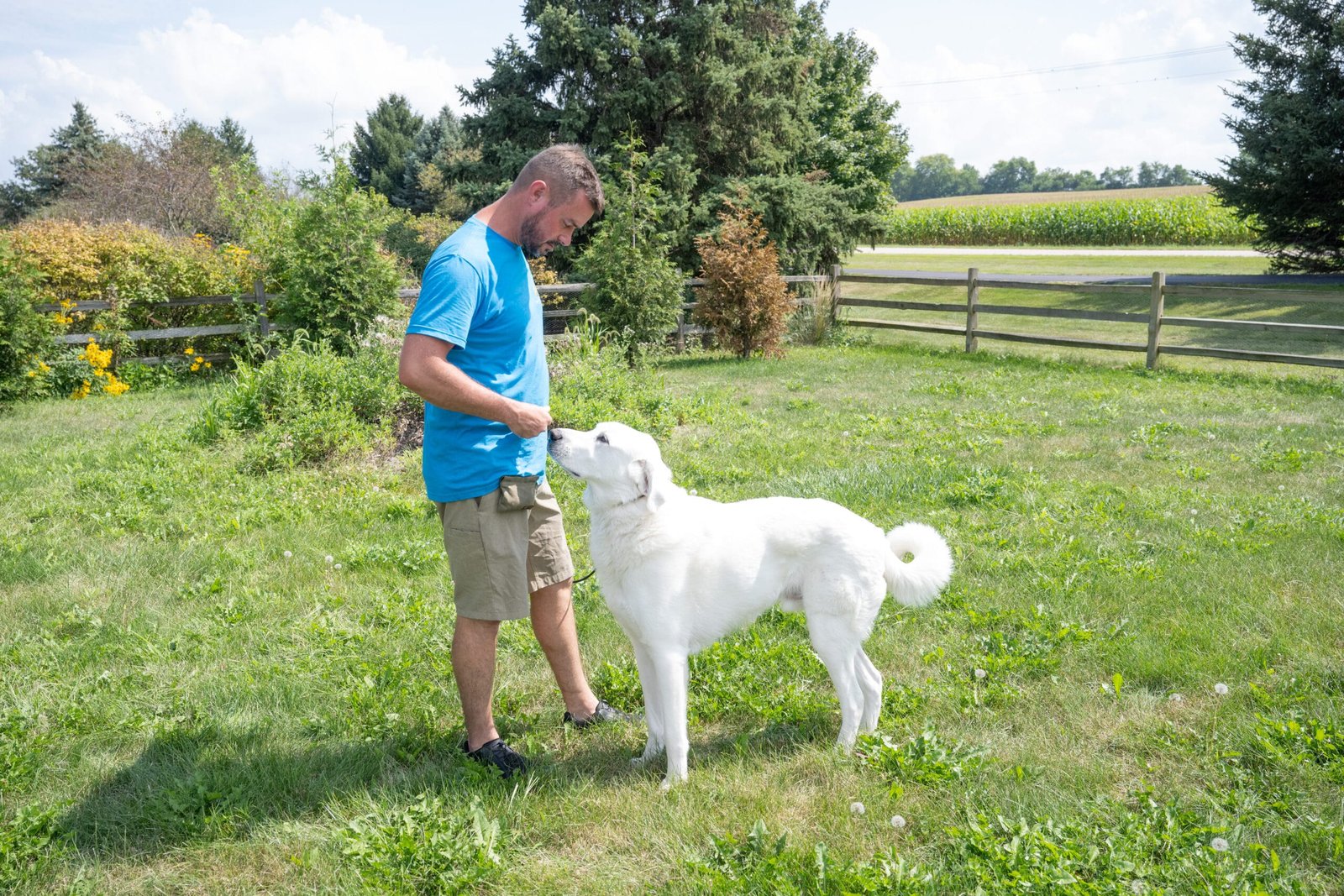
Begin with food hidden in a closed hand. Present the hand and wait. The dog may sniff, lick, or paw. Keep the hand closed without repeating the cue. The moment the dog moves away or looks elsewhere, mark and reward from the opposite hand. The dog learns that disengaging makes reinforcement available.
Once the dog backs away quickly, say “leave it” just before presenting the closed hand. Progress to food under a covered foot, then visible food at a distance, and eventually real-life items. Always reward with something separate. Do not allow the dog to take the original item immediately after the cue because that weakens the meaning.
Practice with toys, dropped food, household objects, and outdoor distractions. Use a leash and enough distance to prevent the dog from reaching unsafe items while learning. If the dog cannot disengage, increase distance or lower the value of the distraction.
Leave it is different from drop it. Leave it applies before the dog takes possession. Drop it applies after the item is already in the mouth. Avoid using leave it as a constant interruption for everything the dog notices. Reinforce appropriate curiosity and give the dog legal opportunities to sniff and explore.
The finished skill should create a quick turn away and reorientation toward the handler, followed by reinforcement or a different direction.
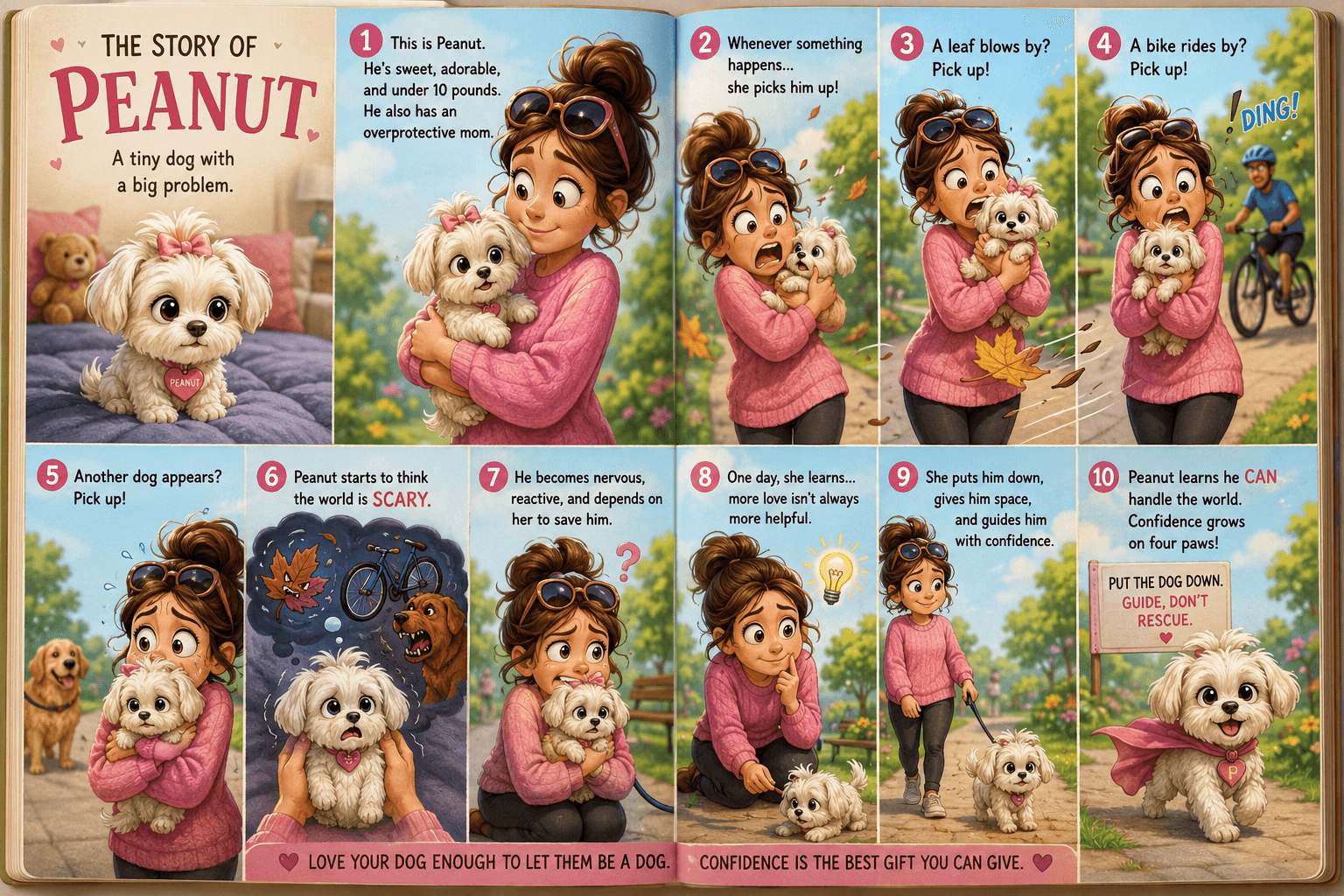
Relatable Child Psychology Analogy
Think about teaching a child not to grab a hot pan or take candy from a store shelf. Simply shouting after the hand reaches the object is less useful than teaching the child to pause, disengage, and look to the adult for direction. Leave it gives a dog a similar safety skill. The dog learns that moving away from something tempting can lead to a better outcome, making self-control more valuable than grabbing first.
Related Training
- Drop ItDrop it teaches the dog to release an item already held in its mouth.
- Alternative Behavior TrainingAlternative behavior training teaches the dog a specific, realistic response that can replace an unwanted behavior.
- ManagementManagement changes the environment to prevent unwanted behavior from being rehearsed while training is underway.
- Reward PlacementReward placement is the deliberate location where reinforcement is delivered.
Related Dog Behavior
- Resource GuardingBehavior used to maintain access to food, toys, spaces, stolen objects, or other things a dog values.
- Object StealingTaking and carrying household items, clothing, food, or objects that are not intended for the dog.
- ScavengingSearching for and consuming discarded food, trash, animal remains, or other edible material.
- Counter SurfingSearching counters, tables, sinks, or other surfaces for food or interesting objects.
- Destructive ChewingChewing that damages household items, doors, furniture, clothing, or personal belongings.
Related Psychology
- ReinforcementAny consequence that increases the likelihood a behavior will happen again.
- AssociationA learned connection between events, cues, places, actions, emotions, or outcomes.
- Choice and AgencyThe dog’s ability to make meaningful choices and influence what happens during an interaction.
- Frustration ToleranceThe ability to remain organized when access, movement, attention, or reinforcement is delayed or unavailable.