What Management Means
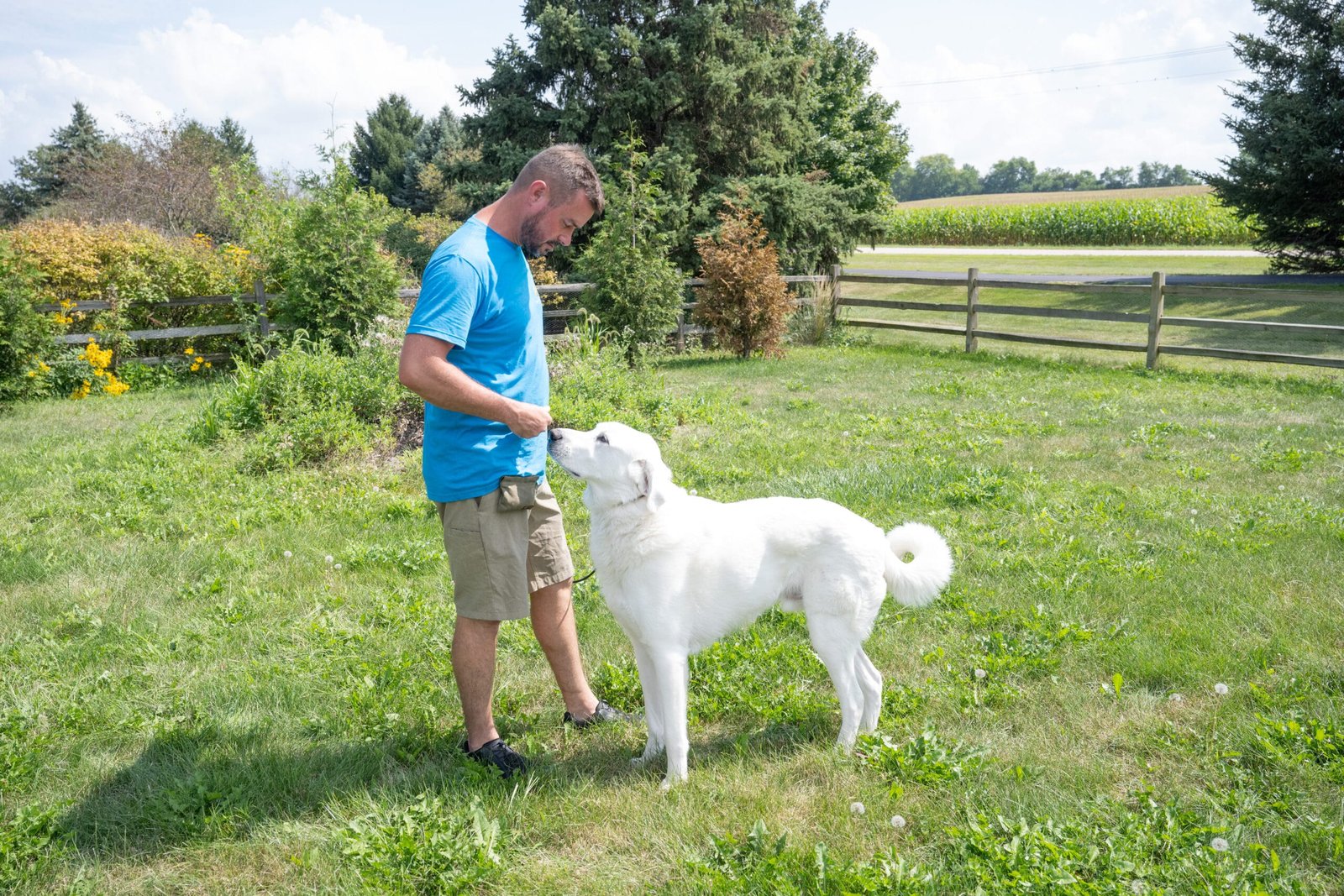
Management changes the environment to prevent unwanted behavior from being rehearsed while training is underway. It includes barriers, leashes, distance, schedules, storage, visual blocks, and other practical controls.
How To Teach Management
Identify where the behavior happens and what allows it to succeed. If the dog counter surfs, remove food and block kitchen access. If the dog barks through the front window, use a visual barrier and provide another resting location. If greetings become chaotic, use a gate or leash before guests enter.
Management should reduce opportunities for failure, not punish the dog after the behavior occurs. Every successful repetition of stealing food, rushing the door, or reaching a trigger strengthens the pattern. Preventing rehearsal gives the training plan room to work.
Pair management with a replacement behavior. Teach place during meals, check-ins around dogs, or four paws on the floor during greetings. The dog needs a clear path to reinforcement, not only restriction.
Review the plan regularly. Some management may be temporary while skills develop. Other safety measures may remain permanent, especially around traffic, children, resource guarding, or known bite risks. Permanent management is not failure when it protects the dog and others.
Management works with every training category because behavior is influenced by access and environment. It is especially important for reactivity, separation distress, destructive chewing, and resource guarding. Good management lowers stress, protects reinforcement history, and prevents owners from spending the entire day correcting behavior that could have been avoided through setup.
Relatable Child Psychology Analogy
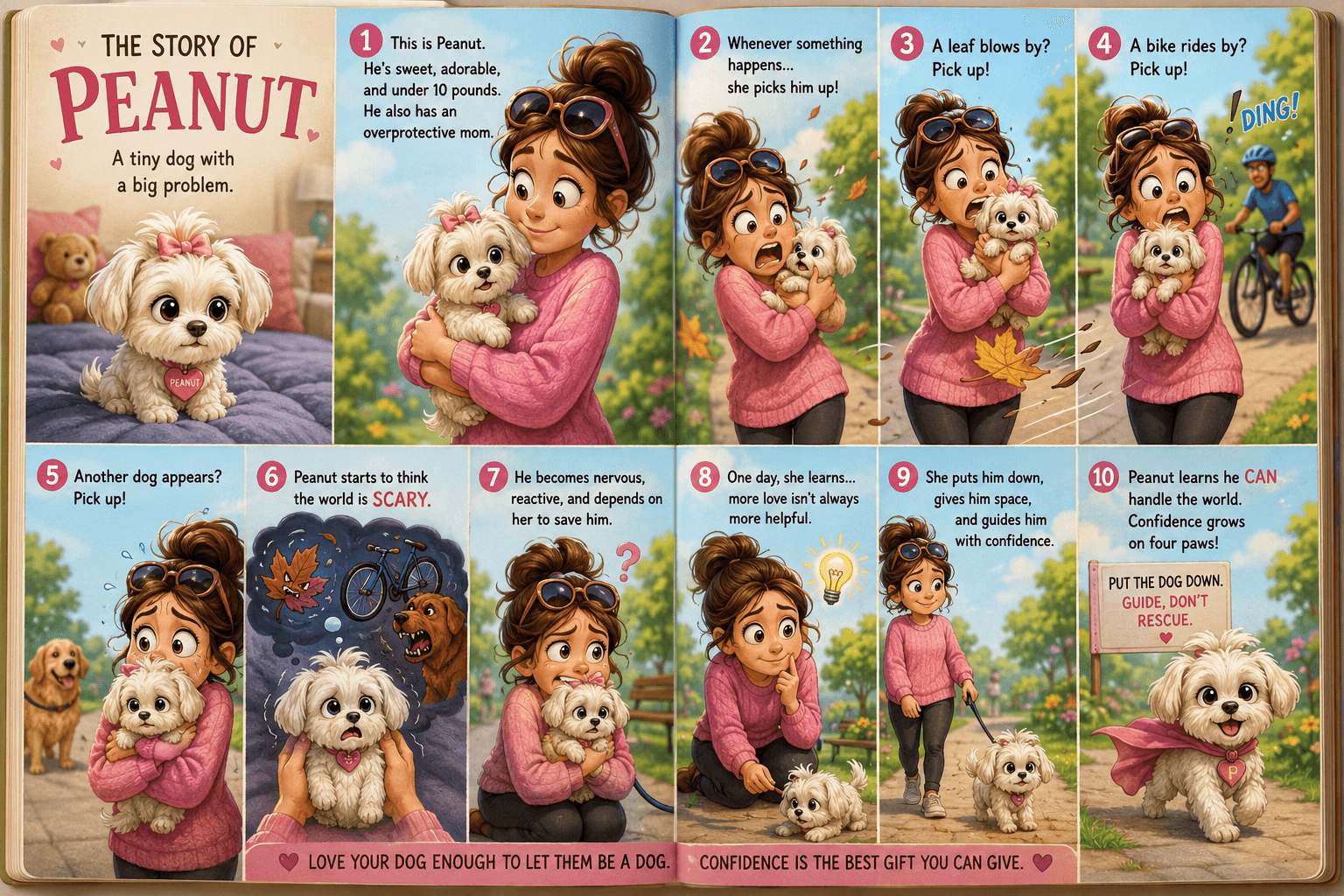
Think about childproofing a home. Adults lock medicine cabinets, use stair gates, and move fragile objects while the child is still learning safe behavior. Those protections do not replace teaching, but they prevent dangerous mistakes from being practiced. Management works similarly with dogs. Gates, leashes, barriers, and environmental changes protect everyone while the dog develops the skills needed to make better choices independently.
Related Training
- Distance ManagementDistance management uses physical space to keep the dog within a workable emotional range.
- Trigger ManagementTrigger management identifies and controls the situations that reliably produce fear, frustration, excitement, or unwanted behavior.
- CounterconditioningCounterconditioning changes the dog's emotional expectation by pairing a trigger with something the dog values.
- DesensitizationDesensitization gradually exposes the dog to a trigger at an intensity low enough to remain manageable.
- Pattern TrainingPattern training uses a simple, repeatable sequence of movement and reinforcement to create predictability.
Related Dog Behavior
- ReactivityAn intense response to a trigger that may include barking, lunging, pulling, freezing, spinning, or difficulty disengaging.
- Fearful BehaviorBehavior that communicates concern about a person, animal, object, sound, place, or interaction.
- AggressionThreatening or harmful behavior that may include hard staring, growling, snapping, lunging, or biting.
- AvoidanceBehavior used to increase distance from, delay, or escape a person, place, object, interaction, or task.
- Slow RecoveryA prolonged return to normal breathing, movement, attention, and behavior after a stressful or exciting event.
Related Psychology
- FearAn emotional response to something the dog perceives as an immediate threat or danger.
- AnxietyWorry or anticipation about a possible threat, uncertain outcome, or future event.
- ThresholdThe point where emotional intensity becomes too high for effective learning or reliable responses.
- Trigger StackingThe accumulation of stressful or exciting events before the dog has fully recovered from earlier events.
- ArousalThe level of nervous-system activation that influences attention, movement, emotion, and responsiveness.