Resource guarding is behavior used to maintain access to something a dog values, such as food, toys, resting spaces, stolen objects, or occasionally a person.
Common Signs
Important Distinction
A growl is information. Punishing the warning may suppress communication without changing the discomfort underneath it, which can make later reactions harder to predict.
What Can Help
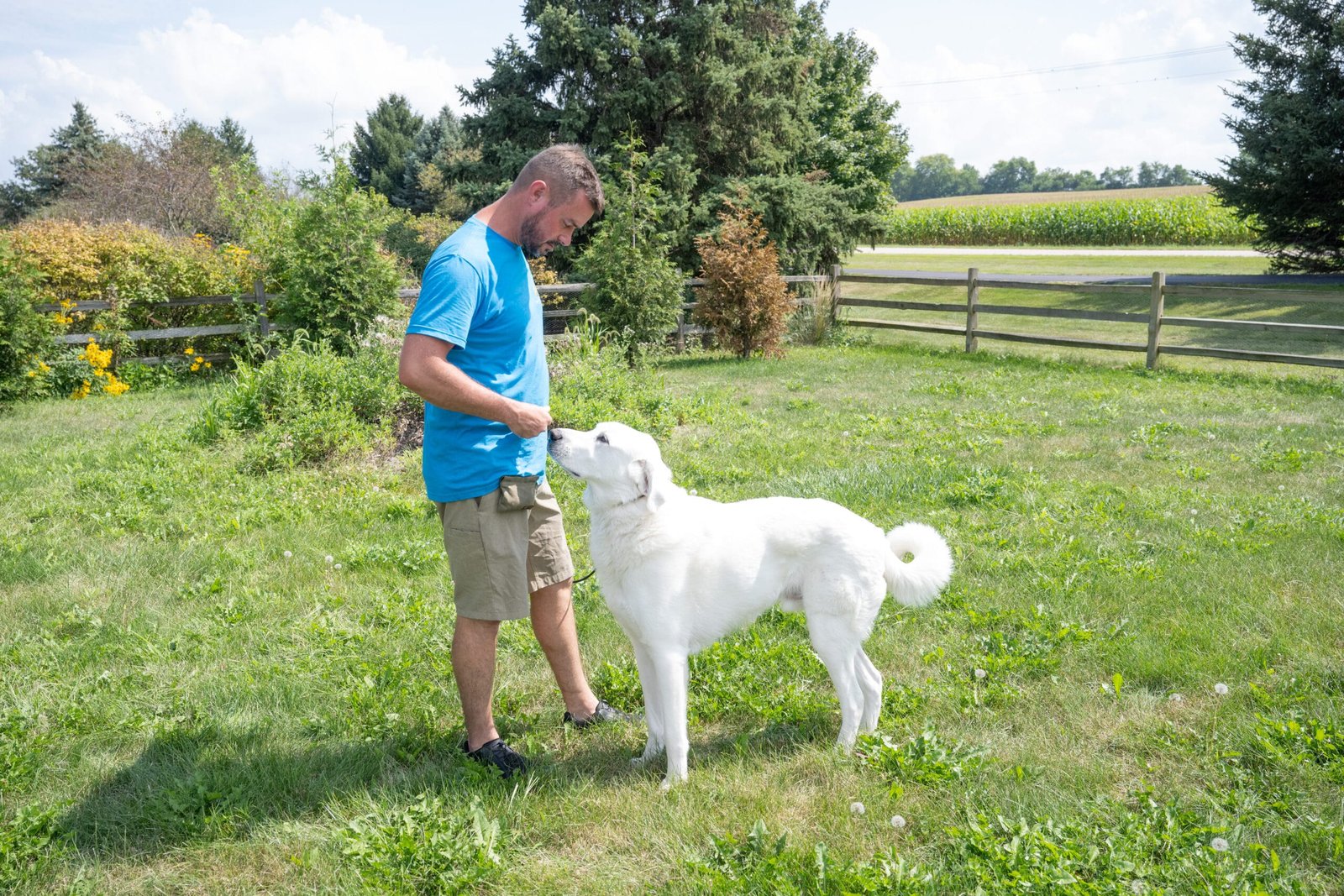
Management, thoughtful trades, controlled approach exercises, clear household rules, and changing how the dog feels about people near valued items are safer than repeatedly taking things away to prove a point.
When To Get Professional Help
Get help when guarding involves children, multiple pets, bites or near-bites, guarding of people or spaces, or when the dog escalates quickly with little warning.
Related Behavior Terms
Related Dog Psychology
Related Training Option
Behavioral Consultation
Every dog brings a different history, environment, and reason for the behavior. This service can help identify the right next step and build a plan around the dog in front of you.
This library provides general education, not an assessment of an individual dog. Sudden behavior changes, pain-related behavior, or an immediate safety concern should be discussed with an appropriate veterinary or behavior professional.