What Problem Solving Means
Using observation, experimentation, memory, and choice to reach an outcome.
How Problem Solving Appears in Everyday Life
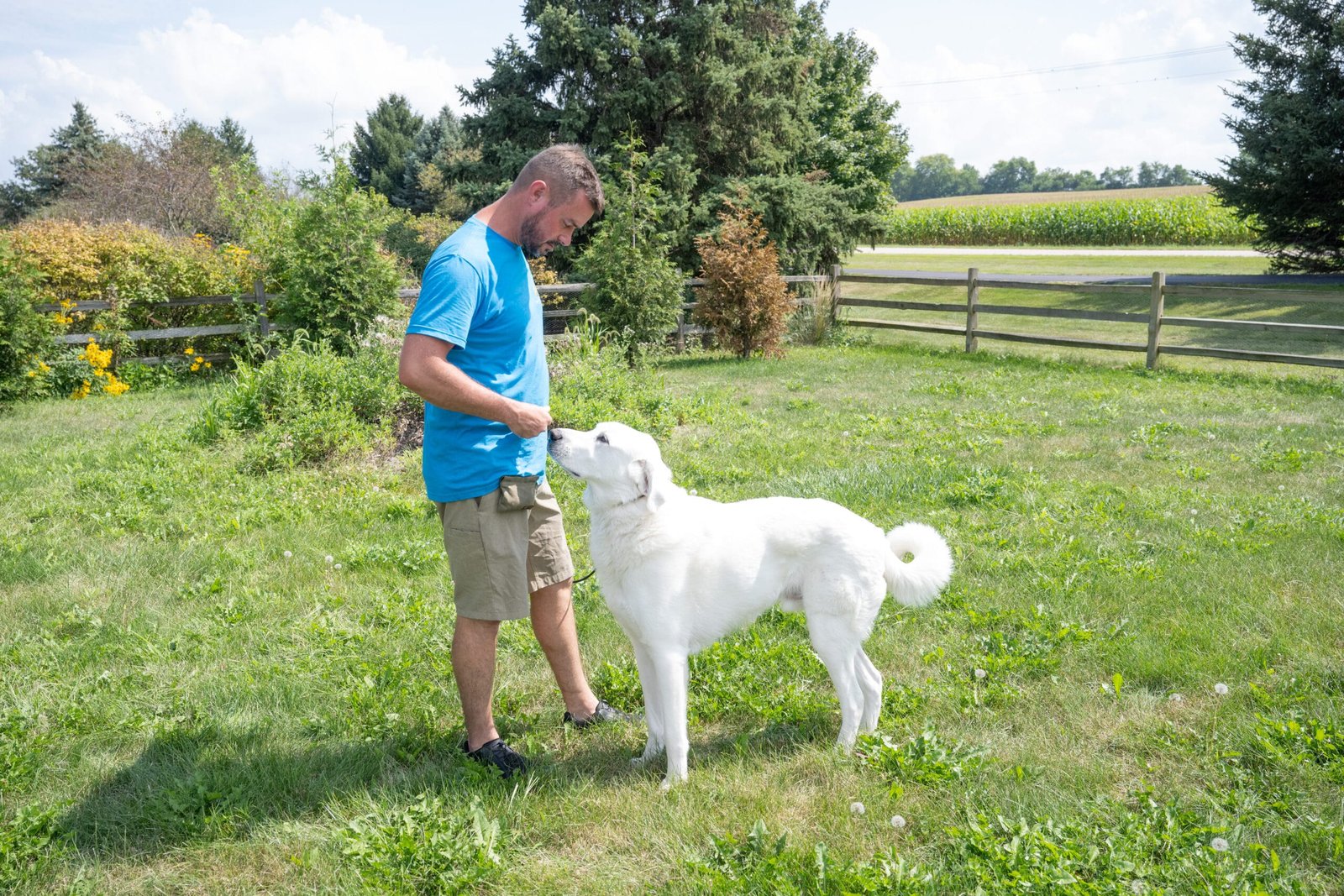
A dog wants a treat placed inside a simple puzzle. At first, the dog paws at the outside and looks toward the owner. Instead of immediately solving the puzzle for the dog, the trainer allows time to investigate. Sniffing, nudging, and moving the correct piece are reinforced by access to the food.
The trainer chooses a task that is challenging but not overwhelming. If the dog becomes frustrated or gives up, the puzzle is simplified. If the dog solves it immediately, the difficulty can be increased slightly. The trainer watches whether the dog remains curious, can change strategies, and recovers from mistakes.
Problem solving is used side by side with shaping, confidence, motivation, frustration, and reinforcement. Shaping rewards small discoveries. Confidence grows when the dog succeeds through its own actions. Motivation keeps the dog engaged with the goal. Frustration helps the trainer recognize when the task has become too difficult. Reinforcement comes from both the trainer and the successful outcome.
A trainer uses problem-solving exercises for enrichment, confidence building, body awareness, cooperative care, and teaching new behaviors. The goal is not to test intelligence or make the dog struggle. It is to give the dog safe opportunities to think, make choices, and learn that effort can produce success. Those skills can transfer into more practical training situations.
Related Psychology
- AssociationA learned connection between events, cues, places, actions, emotions, or outcomes.
- ConfidenceA dog’s ability to approach situations, make decisions, and recover from challenges without becoming overwhelmed.
- Choice and AgencyThe dog’s ability to make meaningful choices and influence what happens during an interaction.
Related Dog Behavior
- Object StealingTaking and carrying household items, clothing, food, or objects that are not intended for the dog.
- ScavengingSearching for and consuming discarded food, trash, animal remains, or other edible material.
- Door RushingMoving quickly through an opening before being released or before the handler can safely control the transition.
- DiggingUsing the front paws, nose, or mouth to move soil, bedding, flooring, or other material.
Related Dog Training
- ShapingShaping teaches a behavior by reinforcing small steps that gradually move toward the finished skill.
- CapturingCapturing means reinforcing a behavior the dog offers naturally without being prompted.
- Hand TargetHand targeting teaches the dog to touch its nose to an offered hand.
- Leave ItLeave it teaches the dog to disengage from an item, smell, person, animal, or opportunity before taking it.