What Shaping Means
Shaping teaches a behavior by reinforcing small steps that gradually move toward the finished skill. The trainer rewards progress instead of waiting for the entire behavior to happen at once.
How To Teach Shaping
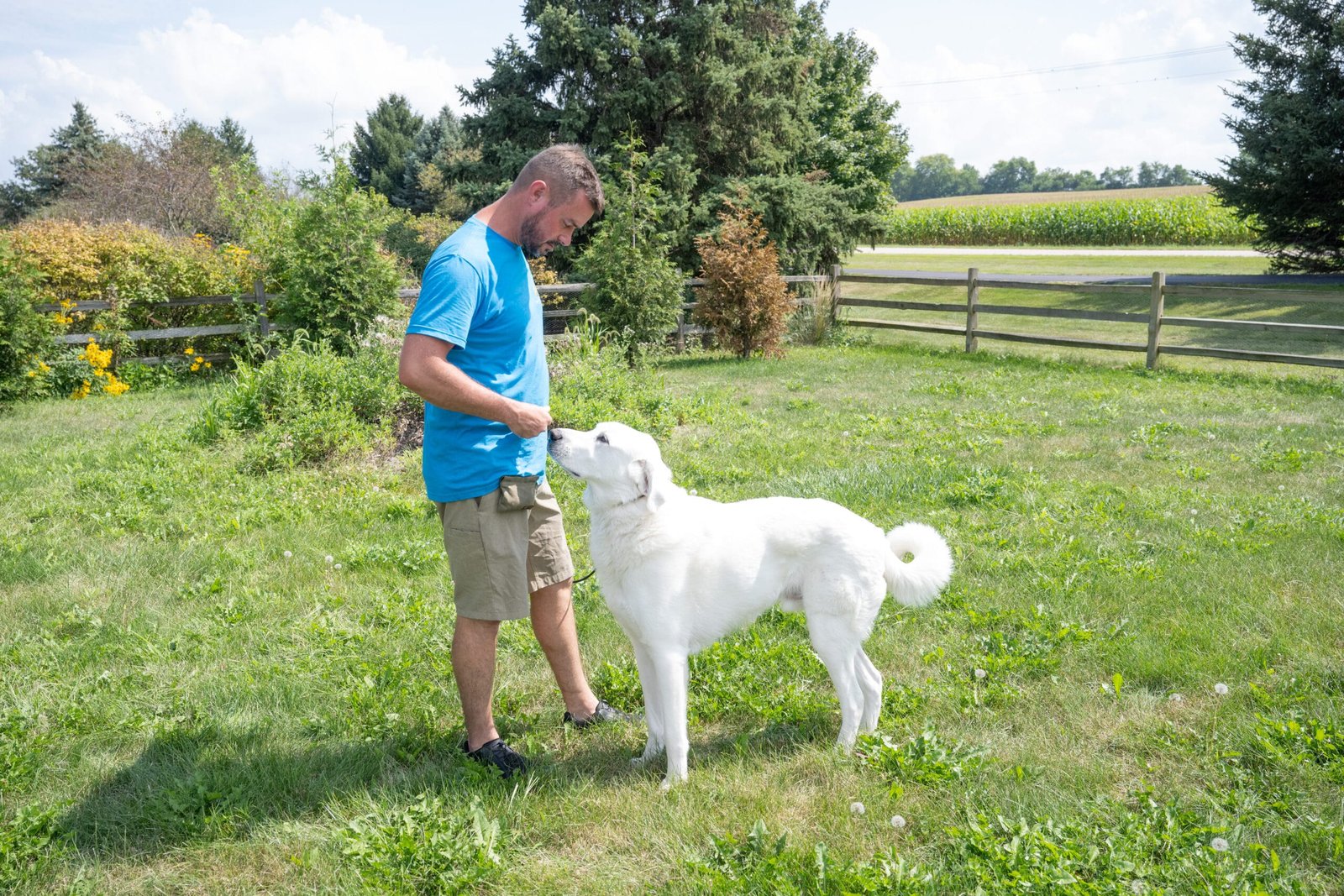
Define the final behavior, then identify the easiest first step. To teach a dog to enter a crate, you might first reward looking at the crate, then moving toward it, placing one paw inside, placing two paws inside, and eventually entering fully. Mark each successful approximation and keep the rate of reinforcement high enough to maintain interest.
Raise the criteria only after the current step is easy. If the dog stops trying, becomes frustrated, or repeatedly offers the wrong behavior, the jump was probably too large. Lower the criteria and create another success. Shaping should feel like a clear problem the dog can solve, not a guessing game with long periods of no feedback.
Avoid helping so much that the dog stops thinking. Repeating cues, pointing constantly, or moving the dog physically can turn shaping into prompting. Give the dog a moment to offer behavior. Mark the smallest useful change and let reinforcement guide the next attempt.
Shaping works especially well for place, crate training, cooperative care, muzzle training, and confidence building. It also teaches the dog that offering behavior is safe and worthwhile. Marker timing is critical because small movements happen quickly. The trainer should know what step is being reinforced before the session begins, while still adjusting to the dog's emotional state and progress.
Relatable Child Psychology Analogy
Think about teaching a child to tie their shoes. Expecting the entire sequence immediately would create frustration. Instead, the child learns to cross the laces, make a loop, wrap the other lace, and pull it through. Each successful piece builds toward the final skill. Shaping works similarly with dogs. The trainer reinforces small, achievable steps so the dog can understand, participate, and gain confidence without being overwhelmed by the complete task.
Related Training
- EngagementEngagement is the dog's willingness to notice, connect with, and participate with the handler.
- Name RecognitionName recognition teaches the dog that hearing its name means to orient toward the handler for information.
- Marker TrainingMarker training uses a consistent word, click, or sound to identify the exact moment the dog performs the desired behavior.
- Reward PlacementReward placement is the deliberate location where reinforcement is delivered.
- LuringLuring uses food, a toy, or another target to guide the dog into a position or movement.
Related Dog Behavior
- Attention-Seeking BehaviorBehavior used to gain interaction, including pawing, nudging, barking, jumping, stealing objects, or interrupting people.
- Leash PullingForward, sideways, or backward pressure that keeps the leash tight or moves the handler.
- JumpingPlacing the front paws or body onto a person, object, door, or surface, often during greetings or excitement.
- ReactivityAn intense response to a trigger that may include barking, lunging, pulling, freezing, spinning, or difficulty disengaging.
Related Psychology
- ReinforcementAny consequence that increases the likelihood a behavior will happen again.
- TimingHow closely feedback or consequences follow a behavior, affecting what the dog connects to the outcome.
- AssociationA learned connection between events, cues, places, actions, emotions, or outcomes.
- GeneralizationApplying learning across different places, people, positions, distances, and situations.
- Food MotivationThe degree to which food functions as a valuable outcome for an individual dog in a specific context.