What Capturing Means
Capturing means reinforcing a behavior the dog offers naturally without being prompted. The trainer observes, marks the useful behavior when it appears, and rewards it so the dog begins offering it more often.
How To Teach Capturing
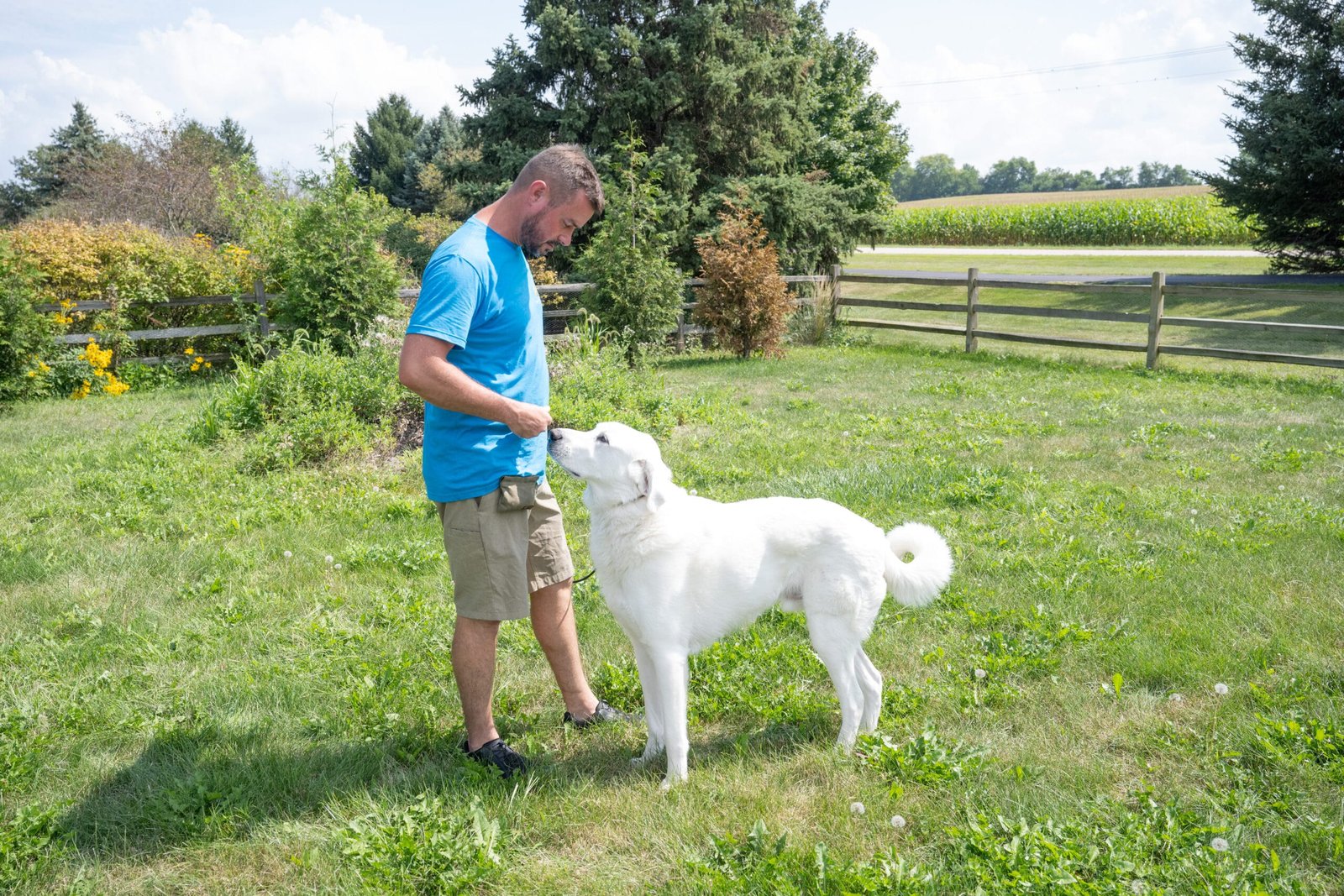
Choose a behavior the dog already performs, such as lying quietly, checking in during a walk, or placing four paws on the floor. Do not cue it at first. Wait for the behavior to happen, mark the exact moment, and reward calmly. The dog gradually learns that this naturally offered choice has value.
Capturing is especially effective for calm behavior. If the dog lies down on its own, quietly place a reward between the paws. Avoid calling the dog up, exciting it, or delivering the reward in a way that ends the settle. Over time, the dog may begin choosing rest more often because rest has a reinforcement history.
Once the behavior becomes predictable, add a cue immediately before it is likely to occur. For example, when the dog is about to lie down, say “settle,” then mark and reward. After enough repetitions, the cue begins predicting the behavior.
The biggest challenge is owner awareness. People often notice dogs only when they bark, jump, or pull. Capturing requires noticing the small moments that are already correct. It works well with engagement, loose leash walking, greeting manners, and relaxation. Marker timing matters because the dog may move quickly after offering the behavior. Quiet observation and well-placed rewards turn everyday choices into trained skills without constant prompting.
Relatable Child Psychology Analogy
Think about a parent noticing a child put away a toy without being asked. Calmly recognizing that choice makes the child more likely to repeat it because the good decision was noticed. Capturing works similarly with dogs. Instead of prompting every behavior, the handler watches for naturally offered calmness, eye contact, or polite choices and reinforces them. This teaches the dog that useful behavior matters even when no command was given first.
Related Training
- EngagementEngagement is the dog's willingness to notice, connect with, and participate with the handler.
- Name RecognitionName recognition teaches the dog that hearing its name means to orient toward the handler for information.
- Marker TrainingMarker training uses a consistent word, click, or sound to identify the exact moment the dog performs the desired behavior.
- Reward PlacementReward placement is the deliberate location where reinforcement is delivered.
- LuringLuring uses food, a toy, or another target to guide the dog into a position or movement.
Related Dog Behavior
- Attention-Seeking BehaviorBehavior used to gain interaction, including pawing, nudging, barking, jumping, stealing objects, or interrupting people.
- Leash PullingForward, sideways, or backward pressure that keeps the leash tight or moves the handler.
- JumpingPlacing the front paws or body onto a person, object, door, or surface, often during greetings or excitement.
- ReactivityAn intense response to a trigger that may include barking, lunging, pulling, freezing, spinning, or difficulty disengaging.
Related Psychology
- ReinforcementAny consequence that increases the likelihood a behavior will happen again.
- TimingHow closely feedback or consequences follow a behavior, affecting what the dog connects to the outcome.
- AssociationA learned connection between events, cues, places, actions, emotions, or outcomes.
- GeneralizationApplying learning across different places, people, positions, distances, and situations.
- Food MotivationThe degree to which food functions as a valuable outcome for an individual dog in a specific context.