What Leash Pressure Means
Leash pressure training teaches the dog to respond to light directional tension by moving with it and restoring slack. The leash becomes clear guidance rather than a constant restraint or source of conflict.
How To Teach Leash Pressure
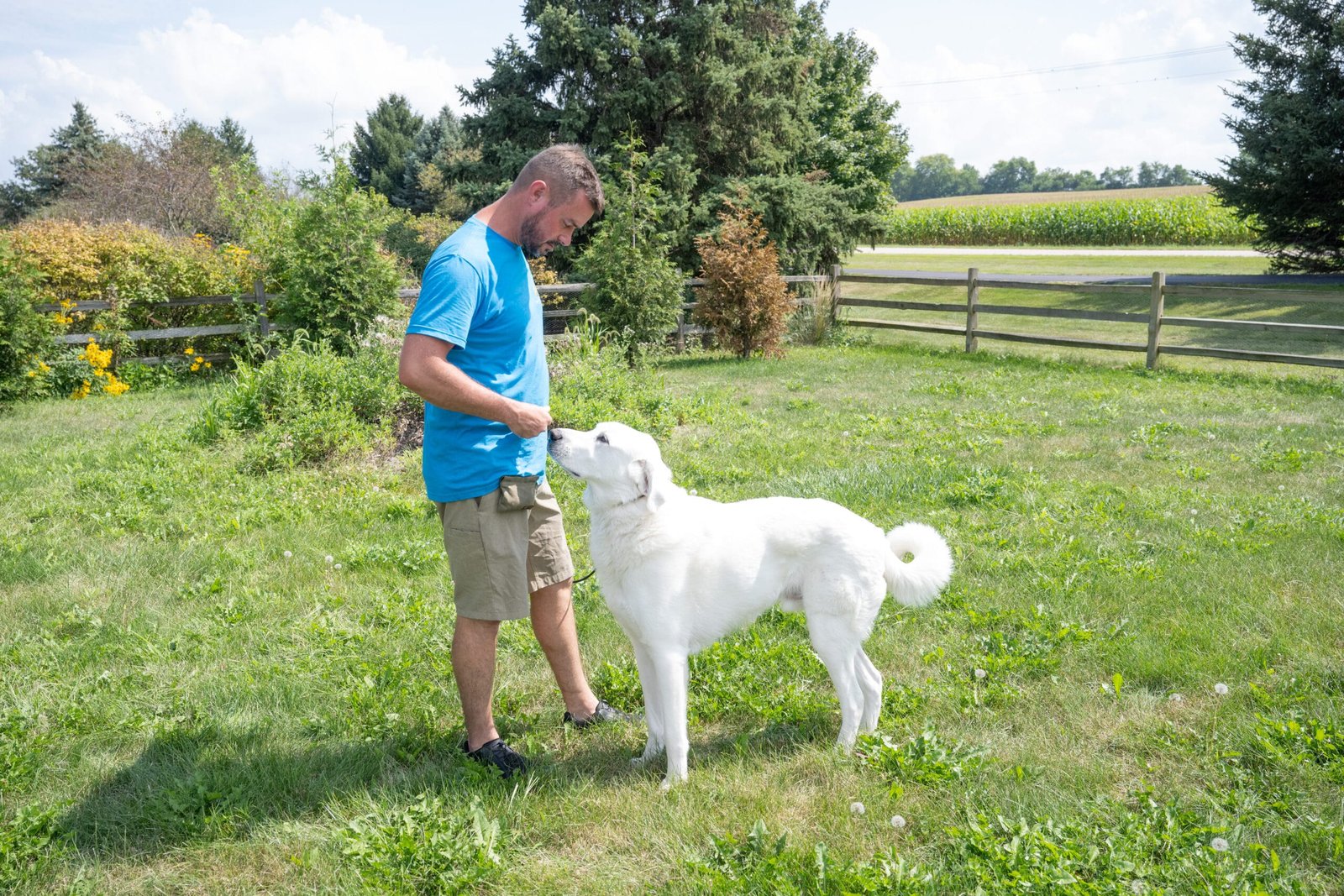
Begin indoors with a properly fitted leash and collar or harness. Apply very light, steady pressure to one side. The moment the dog shifts weight or steps toward the pressure, release completely and reinforce. The release is the most important part because it tells the dog which movement turned the pressure off.
Practice forward, backward, and side directions with minimal force. Do not jerk, pop, or drag. If the dog braces, freezes, or becomes worried, reduce pressure and make the step easier. Pair the movement with reinforcement so the dog develops a positive, predictable response.
Once the dog follows light pressure indoors, use the skill during turns, stops, and environmental distractions. The goal is not to steer every step with the leash. Engagement, movement cues, and reinforcement should do most of the work. Leash pressure is a backup line of communication.
Timing must be precise. Releasing while the dog pulls away can reinforce opposition. Holding pressure after the dog moves correctly creates confusion. The handler should feel the leash return to slack immediately.
Leash pressure works with loose leash walking, directional changes, hand targeting, and check-ins. It should increase clarity and safety without creating fear or constant physical dependence. A dog that understands pressure yields calmly and then continues under its own control.
Relatable Child Psychology Analogy
Think about placing a gentle hand on a child's shoulder to guide them around an obstacle. The helpful information comes from the light guidance and the immediate release when the child moves correctly. Constant pressure or force would create resistance and confusion. Leash pressure can work in a similar way for a dog when it is mild, predictable, and released with precise timing. The goal is communication, not dragging the learner into position.
Related Training
- Loose Leash WalkingLoose leash walking teaches the dog to move with the handler while keeping slack in the leash.
- HeelHeel teaches the dog to maintain a specific position beside the handler, usually with the shoulder near the handler's leg.
- Check-InsCheck-ins are voluntary moments when the dog looks toward, moves closer to, or reconnects with the handler.
- Directional ChangesDirectional changes teach the dog to notice and follow changes in the handler's movement.
- Long-Line TrainingLong-line training uses a longer leash to practice recall, exploration, distance skills, and controlled freedom while maintaining physical safety.
Related Dog Behavior
- Leash PullingForward, sideways, or backward pressure that keeps the leash tight or moves the handler.
- LungingA sudden forward movement toward a person, dog, object, sound, or other trigger.
- FixationSustained visual or physical focus that makes it difficult for a dog to disengage and respond to the handler.
- ChasingRapid pursuit of people, animals, vehicles, bicycles, toys, or moving objects.
- Greeting FrustrationBarking, pulling, whining, or lunging when a dog wants social access but cannot reach the person or dog.
Related Psychology
- Environmental RewardsNaturally valuable opportunities in the environment, including sniffing, exploring, greeting, movement, and gaining distance.
- ReinforcementAny consequence that increases the likelihood a behavior will happen again.
- Premack PrincipleUsing a more probable or preferred activity to reinforce a less probable behavior.
- ArousalThe level of nervous-system activation that influences attention, movement, emotion, and responsiveness.
- TimingHow closely feedback or consequences follow a behavior, affecting what the dog connects to the outcome.