What Fear Means
An emotional response to something the dog perceives as an immediate threat or danger.
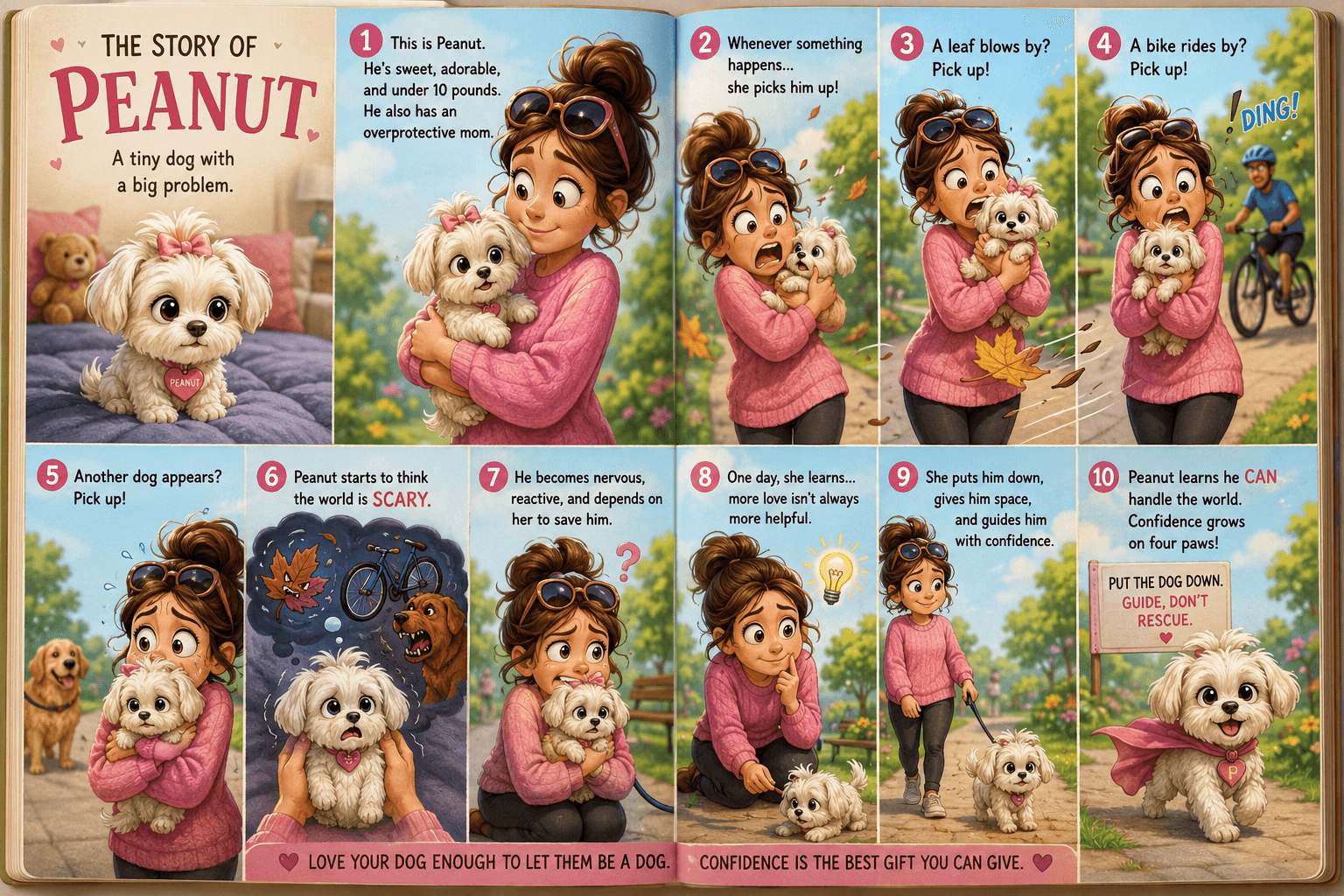
How Fear Appears in Everyday Life
A dog becomes tense whenever unfamiliar people reach toward its head. The dog leans away, licks its lips, lowers its body, and turns its head before eventually growling. A trainer recognizes these early signals as communication, not stubbornness. The growl is not the beginning of the fear. It is a later response after quieter signals were missed.
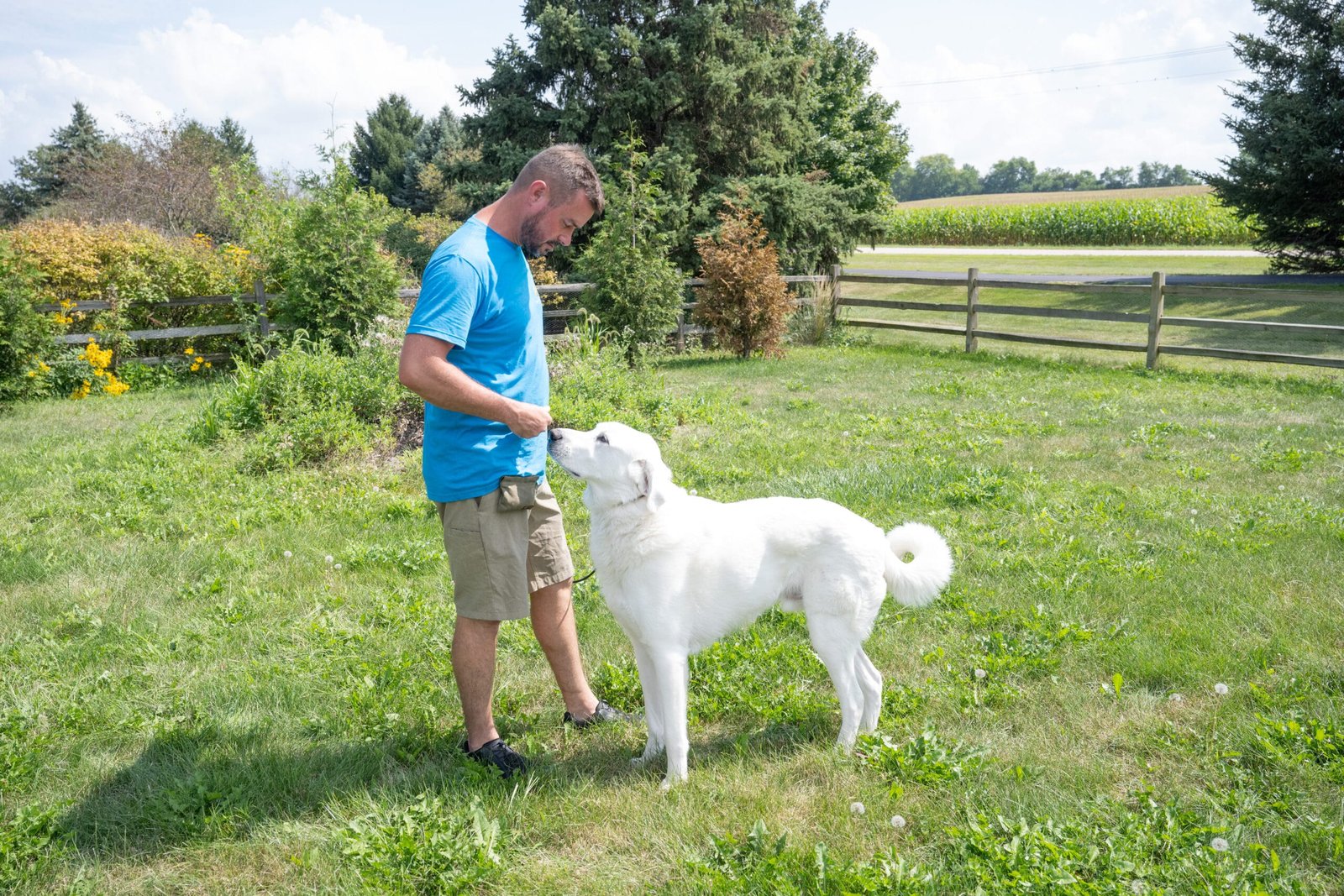
Training starts by preventing forced greetings and giving the dog enough distance to remain below threshold. The unfamiliar person may stand sideways, avoid reaching, and toss food without pressuring the dog to approach. The trainer watches whether the dog can eat, move freely, disengage, and recover. Choice and distance reduce emotional conflict while safer associations are built.
Fear is used side by side with threshold, anxiety, trust, classical conditioning, and emotional contagion. Threshold tells the trainer how intense the situation can be before learning breaks down. Anxiety may appear when the dog anticipates the interaction before it occurs. Trust develops when handlers respect communication and avoid forcing contact. Classical conditioning helps change what unfamiliar people predict. Emotional contagion matters because tense handling can make the situation feel less safe.
A trainer does not punish warning signals or overwhelm the dog to prove the threat is harmless. The goal is to change the dog's emotional experience, build confidence through manageable successes, and teach safe behaviors that can replace avoidance or defensive reactions.
Related Psychology
- AnxietyWorry or anticipation about a possible threat, uncertain outcome, or future event.
- StressThe body and brain’s response to physical, emotional, or environmental demands.
- ThresholdThe point where emotional intensity becomes too high for effective learning or reliable responses.
- Trigger StackingThe accumulation of stressful or exciting events before the dog has fully recovered from earlier events.
- ArousalThe level of nervous-system activation that influences attention, movement, emotion, and responsiveness.
Related Dog Behavior
- ReactivityAn intense response to a trigger that may include barking, lunging, pulling, freezing, spinning, or difficulty disengaging.
- Fearful BehaviorBehavior that communicates concern about a person, animal, object, sound, place, or interaction.
- AvoidanceBehavior used to increase distance from, delay, or escape a person, place, object, interaction, or task.
- FreezingA sudden pause or complete stop in movement that may signal uncertainty, conflict, fear, guarding, or preparation to act.
- Body StiffnessA visible increase in muscle tension that may signal uncertainty, high focus, discomfort, conflict, or preparation for action.
Related Dog Training
- ManagementManagement changes the environment to prevent unwanted behavior from being rehearsed while training is underway.
- Distance ManagementDistance management uses physical space to keep the dog within a workable emotional range.
- CounterconditioningCounterconditioning changes the dog's emotional expectation by pairing a trigger with something the dog values.
- DesensitizationDesensitization gradually exposes the dog to a trigger at an intensity low enough to remain manageable.
- Relaxation TrainingTeaching repeatable behaviors and routines that support settling and lower physical activation.