What Social Learning Means
Learning by observing or interacting with people, dogs, or other animals.
How Social Learning Appears in Everyday Life
A young dog is hesitant to walk through a shallow stream. A calm, experienced dog crosses slowly and begins exploring on the other side. The younger dog watches, approaches the edge, and then follows. The other dog's behavior provides useful information that the environment may be safe.
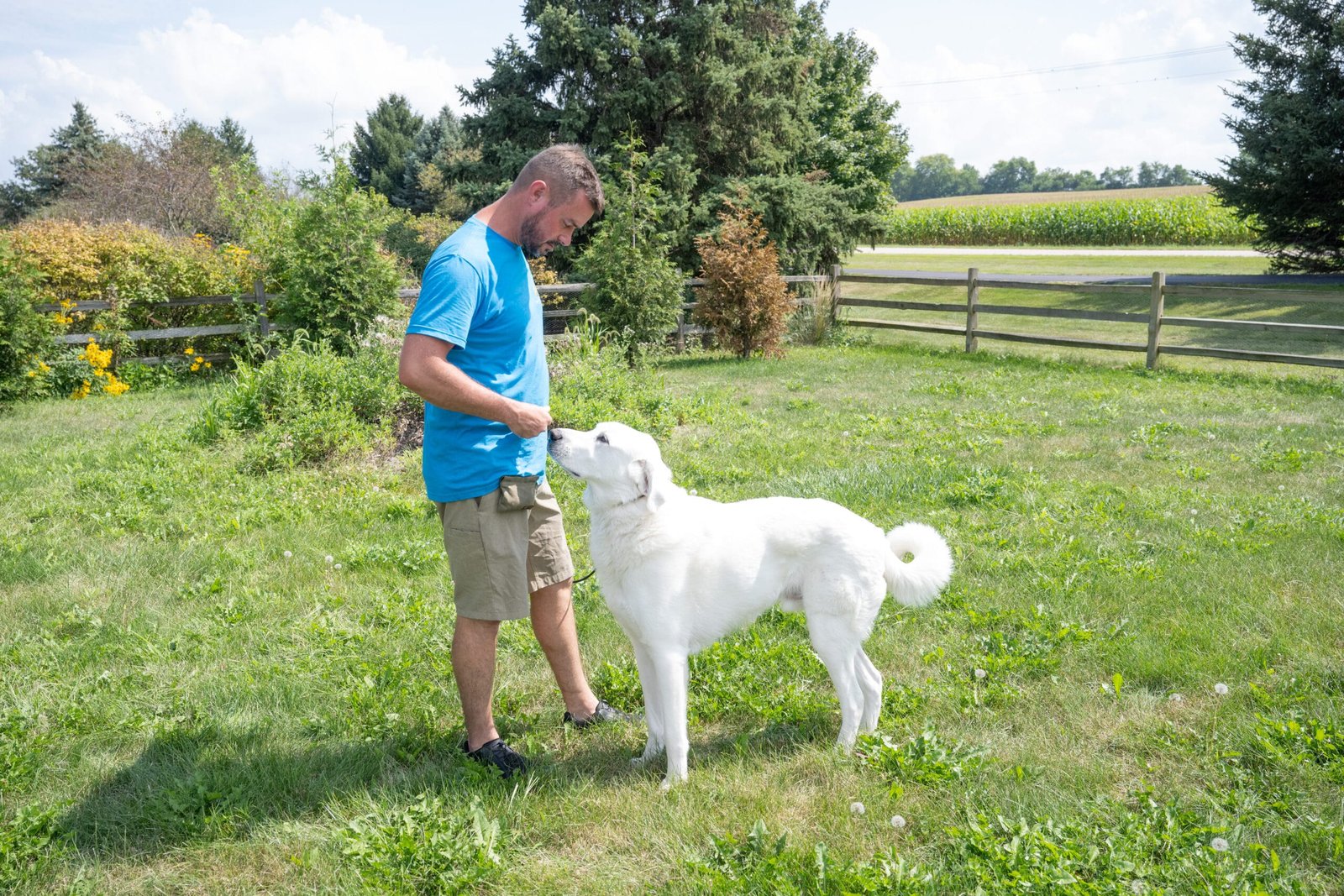
A trainer may use a stable demonstration dog when the social influence is likely to help, but the match must be chosen carefully. An anxious or highly aroused dog can also influence the learner. The trainer watches whether observation lowers tension or increases it. The learner is still given choice and reinforcement rather than being pulled along behind the other dog.
Social learning is used side by side with confidence, emotional contagion, association, motivation, and threshold. Confidence may improve after observing successful behavior. Emotional contagion explains how another individual's emotional state can spread. Association forms when the observed event predicts safety or danger. Motivation may increase when the dog sees another dog gaining access to something valuable. Threshold determines whether the learner can observe and process instead of reacting.
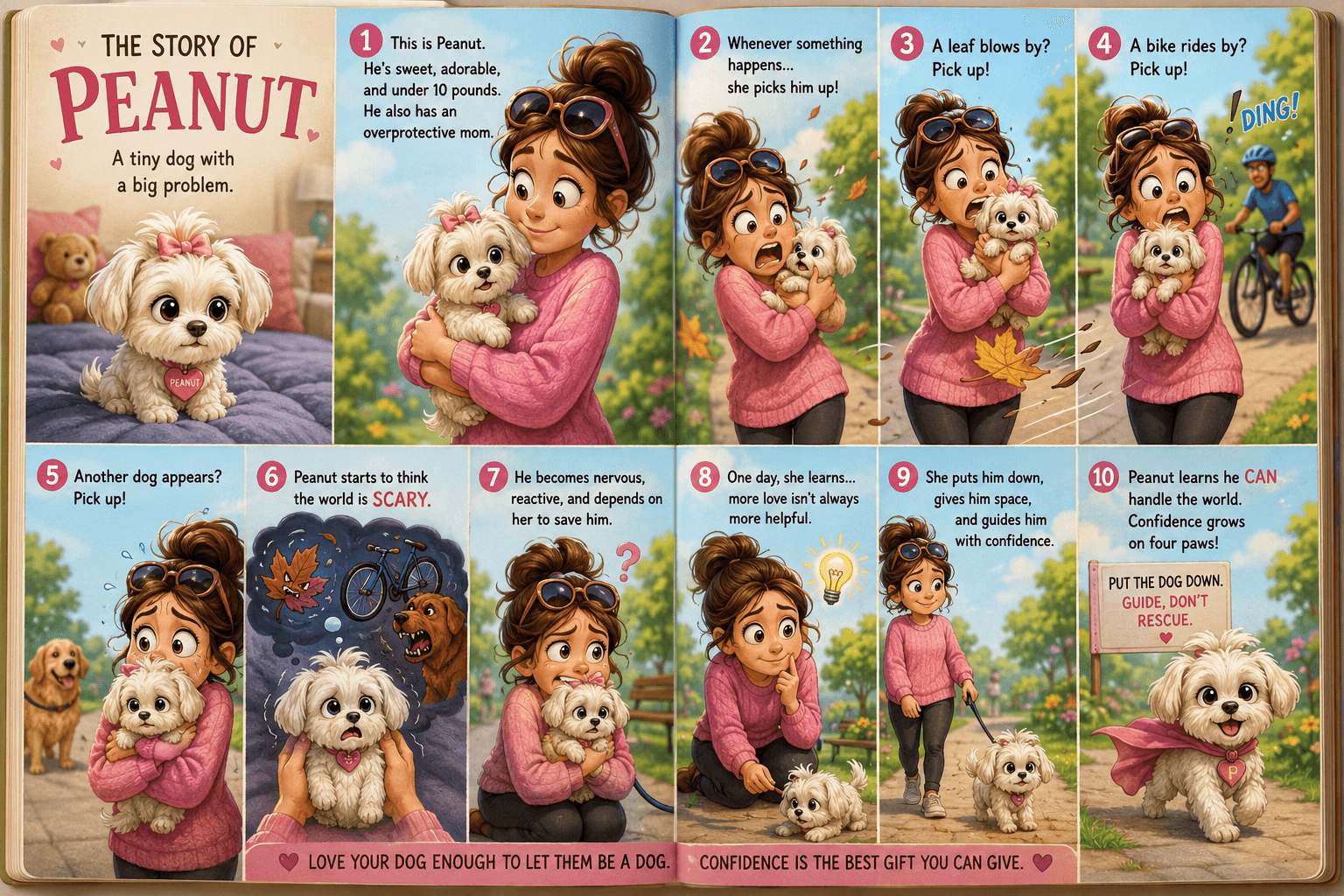
A trainer also teaches owners to recognize unintended social learning. Dogs in the same home may copy barking at windows, rushing doors, or becoming excited during routines. Observation is not a complete training plan, but it can strengthen both useful and unwanted patterns. The trainer uses it intentionally and manages situations where the wrong behavior is being modeled.
Related Psychology
- TrustConfidence that another individual will behave in a predictable, safe, and understandable way.
- AttachmentAn emotional bond that influences proximity seeking, security, exploration, and responses to separation.
- Emotional ContagionThe transfer or alignment of emotional states between individuals through social cues and interaction.
- Choice and AgencyThe dog’s ability to make meaningful choices and influence what happens during an interaction.
- ConfidenceA dog’s ability to approach situations, make decisions, and recover from challenges without becoming overwhelmed.
Related Dog Behavior
- AvoidanceBehavior used to increase distance from, delay, or escape a person, place, object, interaction, or task.
- Separation DistressDistress that appears when a dog is left alone or separated from a particular person.
- Fearful BehaviorBehavior that communicates concern about a person, animal, object, sound, place, or interaction.
- Appeasement BehaviorBehavior intended to reduce social tension, avoid conflict, or communicate non-threat.
- HidingMoving behind furniture, people, walls, crates, or other cover to reduce exposure to something concerning.
Related Dog Training
- Cooperative CareCooperative care teaches the dog to participate voluntarily in grooming, medical handling, and body care.
- Alone-Time TrainingAlone-time training teaches the dog to remain comfortable when separated from the owner for manageable periods.
- EngagementEngagement is the dog's willingness to notice, connect with, and participate with the handler.
- Puppy SocializationPuppy socialization is the process of creating safe, positive exposure to people, animals, surfaces, sounds, handling, environments, and everyday life during.
- Handling and GroomingHandling and grooming training prepares the dog for touch, brushing, bathing, nail care, ear care, and routine body inspection.