What Emotional Contagion Means
The transfer or alignment of emotional states between individuals through social cues and interaction.
How Emotional Contagion Appears in Everyday Life
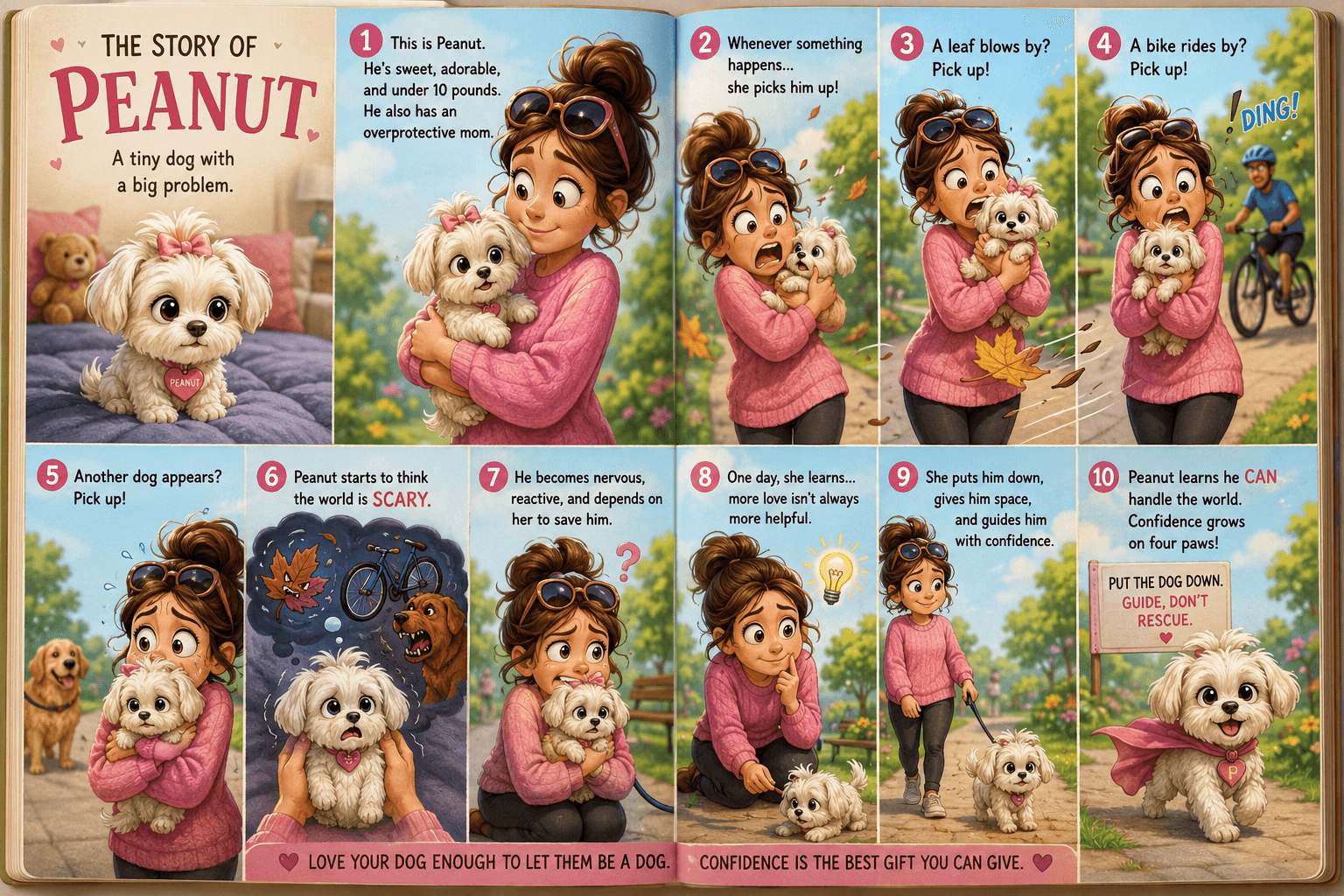
An owner sees another dog approaching and immediately shortens the leash, holds their breath, and tightens their body. The dog feels the leash change, notices the owner's posture, and becomes more alert before fully seeing the other dog. The owner's reaction does not create the entire behavior problem, but it adds information that the situation may be important or unsafe.
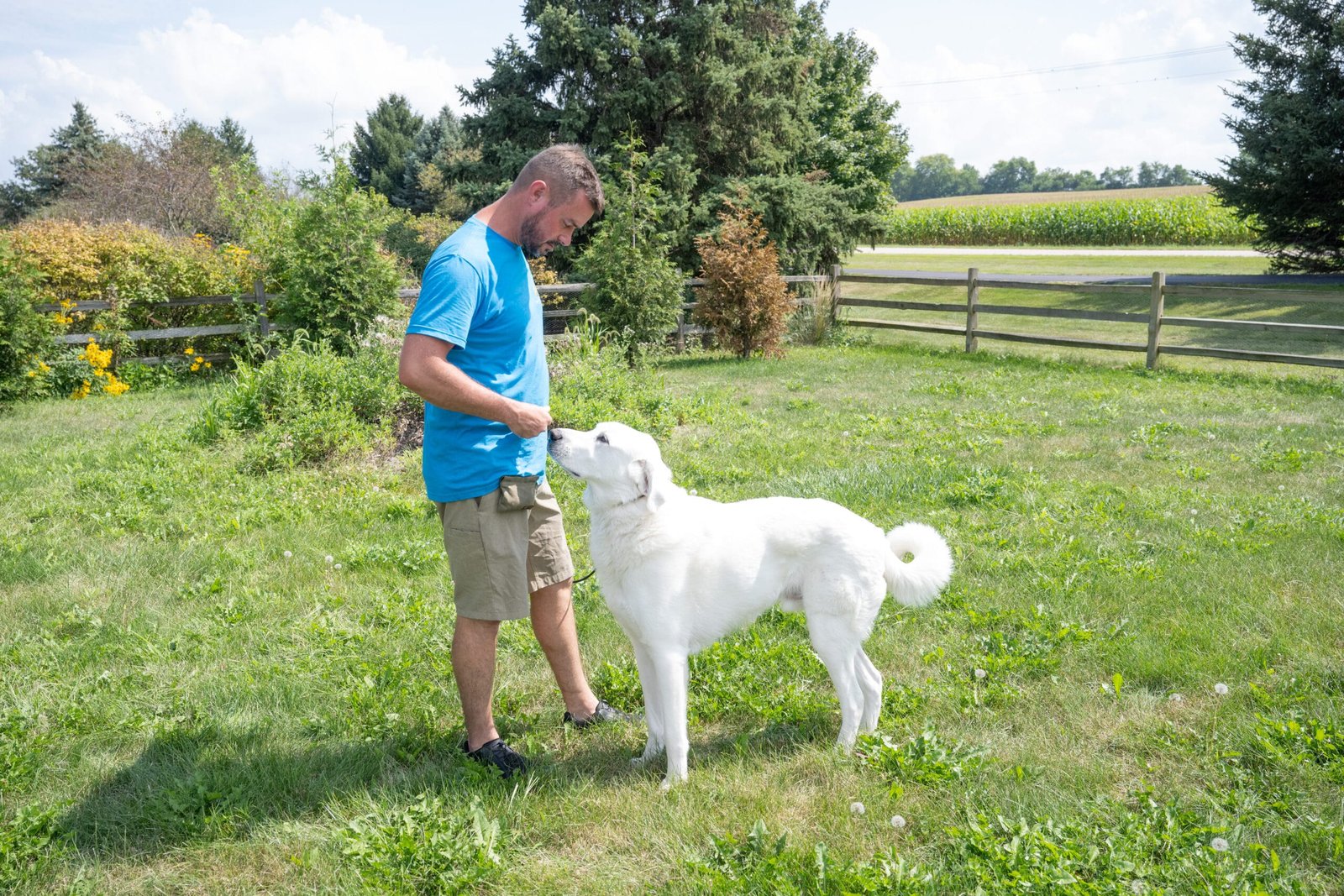
A trainer helps the owner develop a calmer, more organized response. The owner practices increasing distance early, keeping the leash functional rather than tight, breathing normally, and giving the dog a familiar task. The trainer also manages the environment so calm handling is supported by enough space and realistic expectations.
Emotional contagion is used side by side with trust, fear, anxiety, arousal, predictability, and association. Trust affects whether the dog uses the handler as reliable information. Fear and anxiety can intensify when the person appears worried. Arousal may rise through faster movement and tension. Predictability helps both dog and handler follow a practiced routine. Association can develop if certain situations repeatedly produce visible stress from the owner.
A trainer does not blame the owner for the dog's emotions. Dogs have their own histories, genetics, and sensitivities. The concept is used to show that human behavior is part of the environment. Calm, clear handling cannot solve every problem by itself, but it can prevent additional tension and help the dog access the training already being taught.
Related Psychology
- TrustConfidence that another individual will behave in a predictable, safe, and understandable way.
- AttachmentAn emotional bond that influences proximity seeking, security, exploration, and responses to separation.
- Social LearningLearning by observing or interacting with people, dogs, or other animals.
- Choice and AgencyThe dog’s ability to make meaningful choices and influence what happens during an interaction.
- ConfidenceA dog’s ability to approach situations, make decisions, and recover from challenges without becoming overwhelmed.
Related Dog Behavior
- AvoidanceBehavior used to increase distance from, delay, or escape a person, place, object, interaction, or task.
- Separation DistressDistress that appears when a dog is left alone or separated from a particular person.
- Fearful BehaviorBehavior that communicates concern about a person, animal, object, sound, place, or interaction.
- Appeasement BehaviorBehavior intended to reduce social tension, avoid conflict, or communicate non-threat.
- HidingMoving behind furniture, people, walls, crates, or other cover to reduce exposure to something concerning.
Related Dog Training
- Cooperative CareCooperative care teaches the dog to participate voluntarily in grooming, medical handling, and body care.
- Alone-Time TrainingAlone-time training teaches the dog to remain comfortable when separated from the owner for manageable periods.
- EngagementEngagement is the dog's willingness to notice, connect with, and participate with the handler.
- Puppy SocializationPuppy socialization is the process of creating safe, positive exposure to people, animals, surfaces, sounds, handling, environments, and everyday life during.
- Handling and GroomingHandling and grooming training prepares the dog for touch, brushing, bathing, nail care, ear care, and routine body inspection.