What Attachment Means
An emotional bond that influences proximity seeking, security, exploration, and responses to separation.
How Attachment Appears in Everyday Life
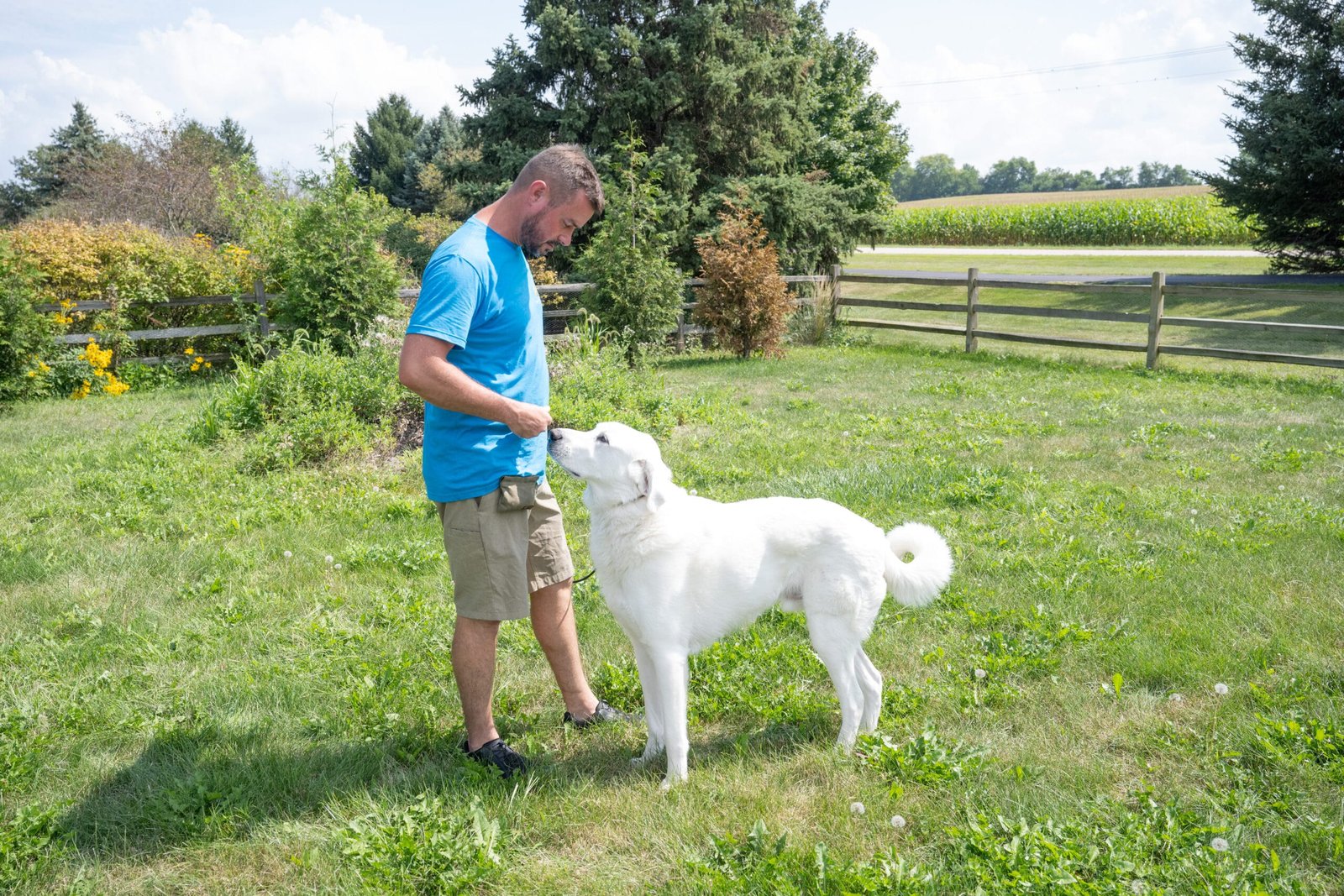
A puppy enters a new environment and initially stays close to the owner. After observing the room and receiving calm support, the puppy begins exploring, returns briefly to check in, and then continues investigating. The owner acts as a secure base rather than controlling every movement.
A trainer watches how the dog uses the relationship. Does the dog seek appropriate support and then recover, or does the dog become unable to function without constant contact? Training may include calm separation, independent settling, predictable departures, and confidence-building activities. The goal is not to weaken the bond. It is to help the dog feel safe while also developing coping skills.
Attachment is used side by side with trust, anxiety, confidence, predictability, and recovery. Trust affects whether the caregiver feels safe and dependable. Anxiety may appear when separation predicts distress or uncertainty. Confidence supports independent exploration. Predictability makes departures and reunions easier to understand. Recovery shows whether the dog can return to balance after the caregiver leaves or a challenge occurs.
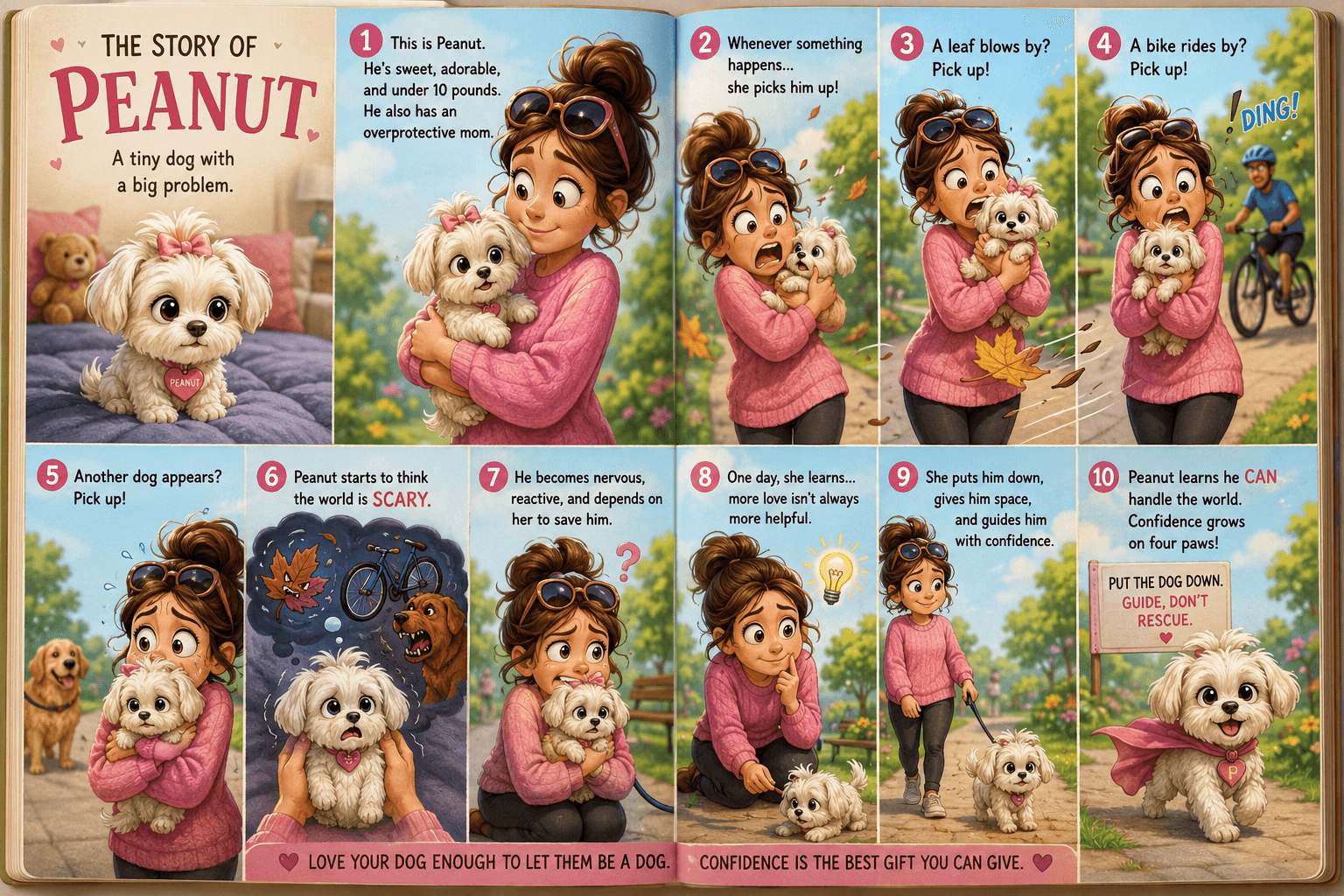
A trainer avoids simplistic labels such as “too attached.” Strong attachment is not automatically unhealthy. The important question is whether the relationship supports emotional stability and flexible behavior. Training strengthens the bond while teaching the dog that safety does not disappear whenever the owner steps away.
Related Psychology
- TrustConfidence that another individual will behave in a predictable, safe, and understandable way.
- Social LearningLearning by observing or interacting with people, dogs, or other animals.
- Emotional ContagionThe transfer or alignment of emotional states between individuals through social cues and interaction.
- Choice and AgencyThe dog’s ability to make meaningful choices and influence what happens during an interaction.
- ConfidenceA dog’s ability to approach situations, make decisions, and recover from challenges without becoming overwhelmed.
Related Dog Behavior
- AvoidanceBehavior used to increase distance from, delay, or escape a person, place, object, interaction, or task.
- Separation DistressDistress that appears when a dog is left alone or separated from a particular person.
- Fearful BehaviorBehavior that communicates concern about a person, animal, object, sound, place, or interaction.
- Appeasement BehaviorBehavior intended to reduce social tension, avoid conflict, or communicate non-threat.
- HidingMoving behind furniture, people, walls, crates, or other cover to reduce exposure to something concerning.
Related Dog Training
- Cooperative CareCooperative care teaches the dog to participate voluntarily in grooming, medical handling, and body care.
- Alone-Time TrainingAlone-time training teaches the dog to remain comfortable when separated from the owner for manageable periods.
- EngagementEngagement is the dog's willingness to notice, connect with, and participate with the handler.
- Puppy SocializationPuppy socialization is the process of creating safe, positive exposure to people, animals, surfaces, sounds, handling, environments, and everyday life during.
- Handling and GroomingHandling and grooming training prepares the dog for touch, brushing, bathing, nail care, ear care, and routine body inspection.