What Puppy Socialization Means
Puppy socialization is the process of creating safe, positive exposure to people, animals, surfaces, sounds, handling, environments, and everyday life during development. Quality matters more than the number of exposures.
How To Teach Puppy Socialization
Build a list of experiences the puppy will encounter in adult life. Introduce them at a low intensity while the puppy can eat, explore, and recover. Let the puppy observe people, vehicles, children, dogs, equipment, surfaces, and sounds from a comfortable distance.
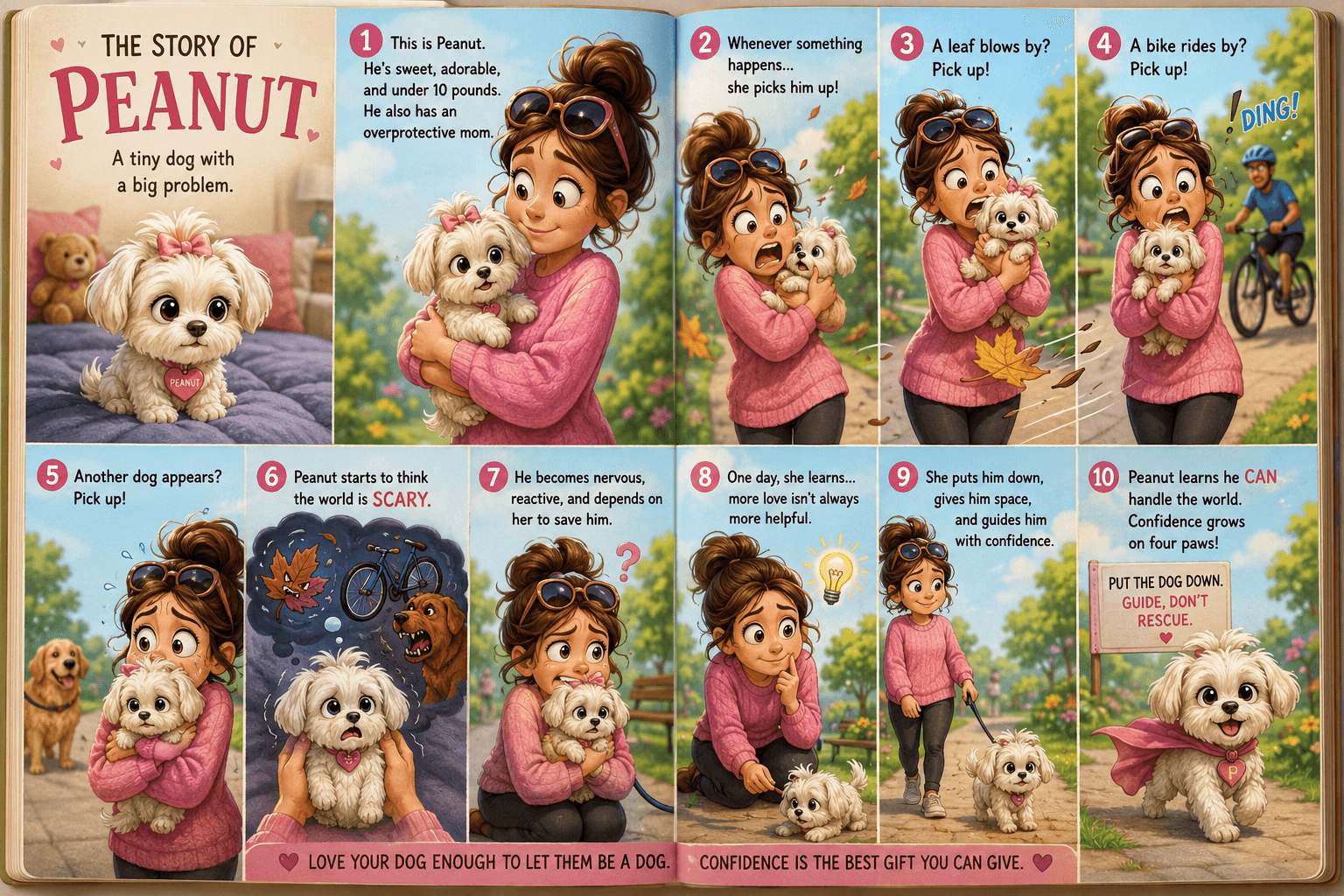
Socialization does not require greeting everyone. A puppy can learn by watching calmly and then moving away. Forced interaction may create fear instead of confidence. Allow choice, protect the puppy from rough handling, and end the exposure before fatigue or stress builds.
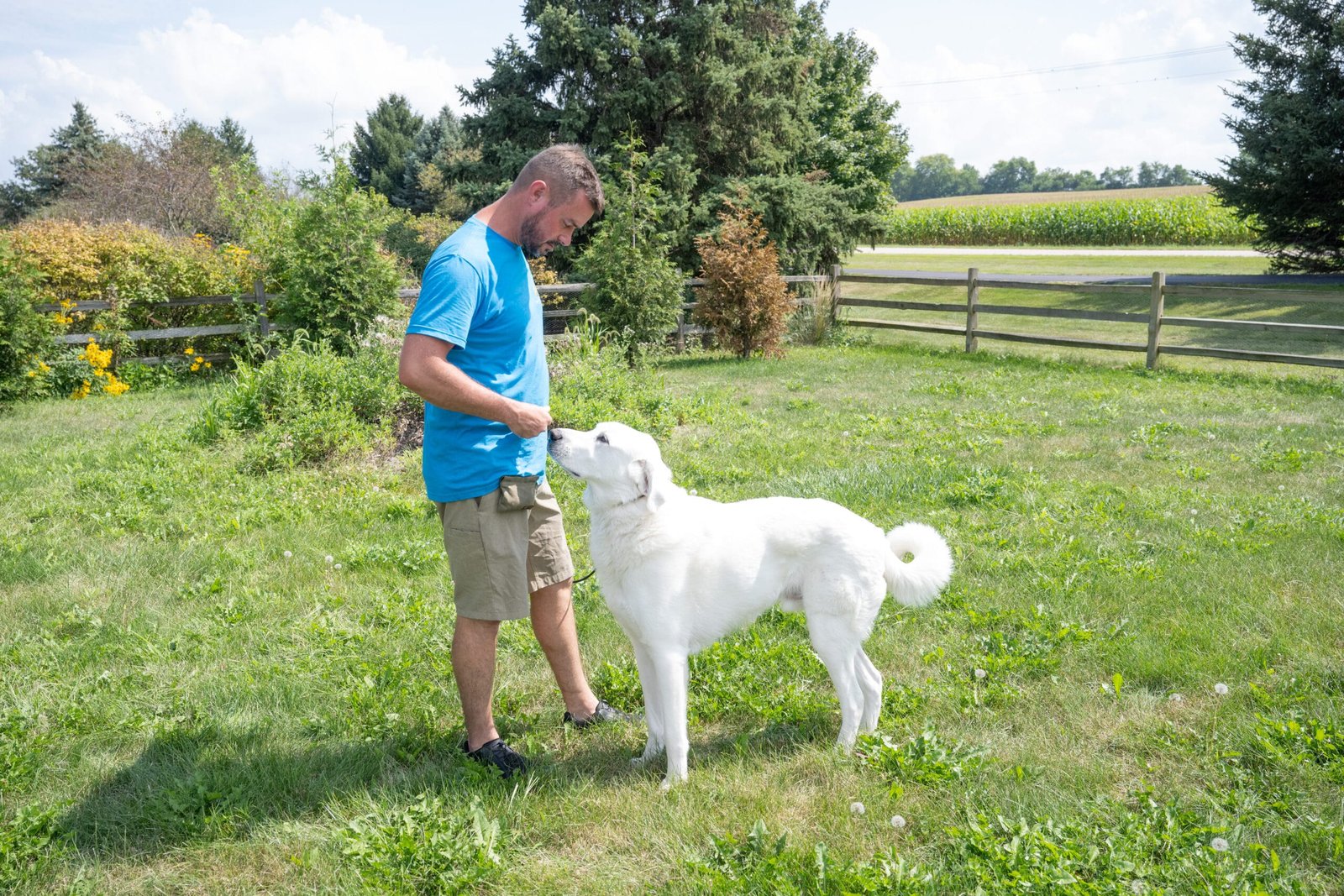
Use food, play, movement, and calm support to create positive associations. Pair new experiences with predictable outcomes. Practice body handling, car rides, grooming equipment, and quiet time as well as public outings.
Select dog interactions carefully. Use healthy, socially appropriate dogs and supervised puppy groups with good management. Avoid uncontrolled dog parks and situations where the puppy can be overwhelmed or injured.
Watch for stress signals such as freezing, avoidance, refusal of food, tucked posture, or frantic behavior. Increase distance and simplify the experience. Socialization should build recovery and confidence, not simply expose the puppy to the maximum amount of stimulation. The goal is a dog that can notice new things, gather information, and remain emotionally available rather than a dog that must interact with everything.
Relatable Child Psychology Analogy
Think about introducing a child to new people, places, sounds, and activities. Positive development does not come from forcing the child into the busiest possible environment and hoping they cope. It comes from manageable experiences with support, choice, and recovery. Puppy socialization works similarly. The goal is not maximum exposure. The goal is enough safe, varied experience for the puppy to learn that novelty can be processed without becoming overwhelmed.
Related Training
- Bite InhibitionBite inhibition teaches a puppy to control the force and frequency of mouthing during play and interaction.
- Greeting MannersGreeting manners teach the dog how to approach and interact with people without jumping, mouthing, barking, or overwhelming the person.
- Handling and GroomingHandling and grooming training prepares the dog for touch, brushing, bathing, nail care, ear care, and routine body inspection.
Related Dog Behavior
- Mouthing and NippingUsing the mouth on hands, clothing, leashes, or bodies without a full-force bite.
- Play BitingMouth contact that occurs during play and may become too hard, persistent, or poorly controlled.
- Fearful BehaviorBehavior that communicates concern about a person, animal, object, sound, place, or interaction.
- JumpingPlacing the front paws or body onto a person, object, door, or surface, often during greetings or excitement.
Related Psychology
- Social LearningLearning by observing or interacting with people, dogs, or other animals.
- HabituationA decreased response after repeated exposure to a stimulus that proves unimportant or harmless.
- ConfidenceA dog’s ability to approach situations, make decisions, and recover from challenges without becoming overwhelmed.
- AssociationA learned connection between events, cues, places, actions, emotions, or outcomes.
- Emotional ContagionThe transfer or alignment of emotional states between individuals through social cues and interaction.