What Drop It Means
Drop it teaches the dog to release an item already held in its mouth. The goal is a voluntary exchange that preserves trust and reduces conflict around toys, household objects, and unsafe items.
How To Teach Drop It
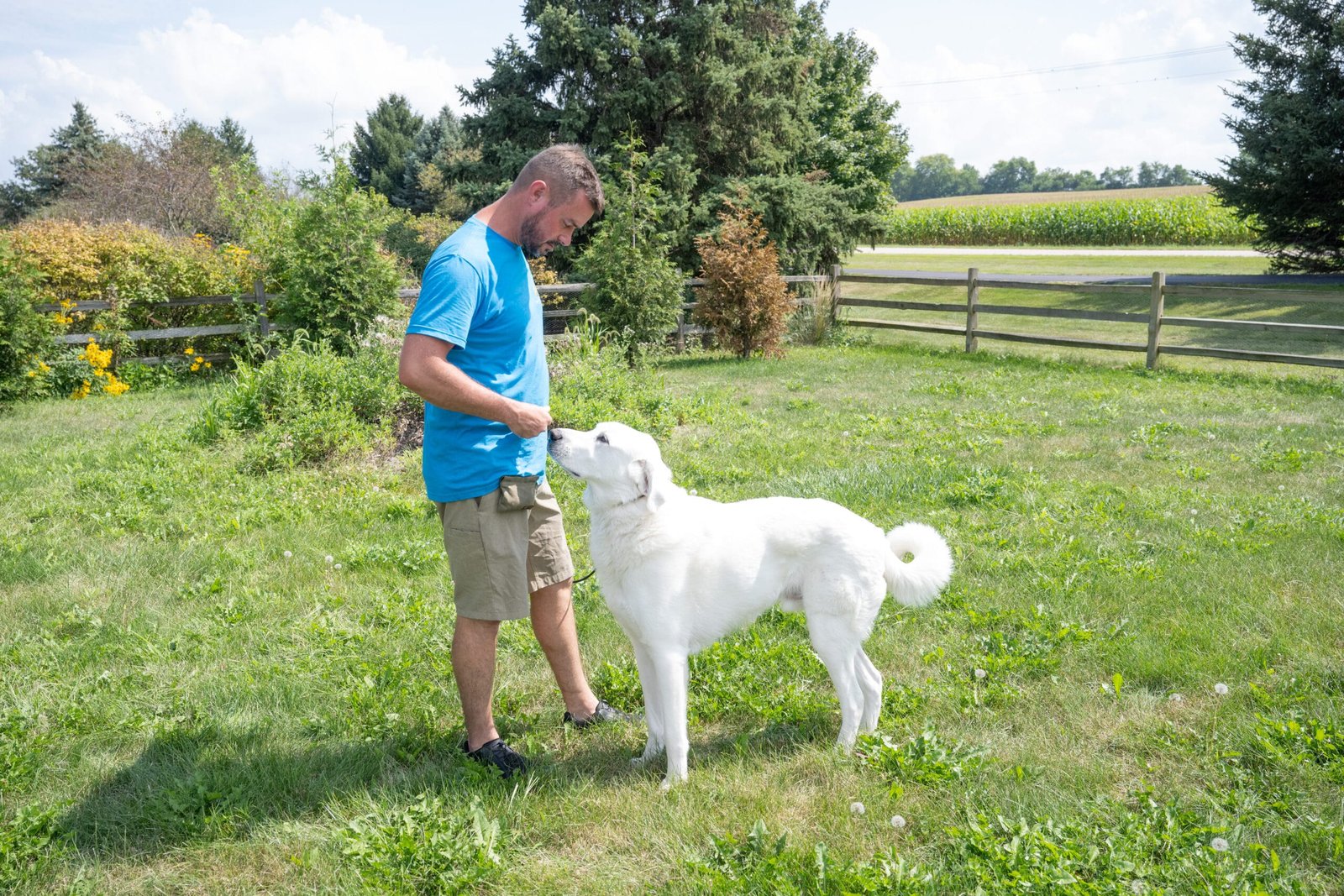
Start with a low-value toy the dog enjoys but does not strongly guard. Allow brief play, then present a higher-value reward near the dog's nose. When the dog releases the toy to take the reward, mark the release. Return the toy whenever it is safe to do so. Giving the item back teaches the dog that releasing does not always end access.
After several repetitions, say “drop it” just before presenting the reward. Gradually move the reward farther from the dog's nose and reinforce the verbal response. Practice with different toys and safe objects, but increase value slowly.
Avoid chasing the dog, prying the mouth open, or repeatedly taking prized items without exchange. Those patterns can create avoidance, swallowing, or resource guarding. If the item is dangerous, safety comes first, but the long-term training plan should build a strong release history before emergencies occur.
Use calm reward placement and keep sessions short. For dogs with known resource guarding, work at a safe distance and involve a qualified professional rather than creating confrontations.
Drop it works with take it, leave it, play, and cooperative handling. The dog should learn that human approach predicts fair exchange, not automatic loss. A reliable release is built through many safe repetitions in which letting go produces a better outcome.
Relatable Child Psychology Analogy
Think about a child picking up something unsafe. An adult who chases, grabs, and turns the moment into a struggle may accidentally make possession more exciting. A calm exchange teaches the child that handing over the object leads to safety and often to an acceptable replacement. Drop it works similarly with dogs. The goal is cooperation and release, not creating conflict around everything the dog puts in its mouth.
Related Training
- Leave ItLeave it teaches the dog to disengage from an item, smell, person, animal, or opportunity before taking it.
- Alternative Behavior TrainingAlternative behavior training teaches the dog a specific, realistic response that can replace an unwanted behavior.
- ManagementManagement changes the environment to prevent unwanted behavior from being rehearsed while training is underway.
- Reward PlacementReward placement is the deliberate location where reinforcement is delivered.
Related Dog Behavior
- Resource GuardingBehavior used to maintain access to food, toys, spaces, stolen objects, or other things a dog values.
- Object StealingTaking and carrying household items, clothing, food, or objects that are not intended for the dog.
- ScavengingSearching for and consuming discarded food, trash, animal remains, or other edible material.
- Counter SurfingSearching counters, tables, sinks, or other surfaces for food or interesting objects.
- Destructive ChewingChewing that damages household items, doors, furniture, clothing, or personal belongings.
Related Psychology
- ReinforcementAny consequence that increases the likelihood a behavior will happen again.
- AssociationA learned connection between events, cues, places, actions, emotions, or outcomes.
- Choice and AgencyThe dog’s ability to make meaningful choices and influence what happens during an interaction.
- Frustration ToleranceThe ability to remain organized when access, movement, attention, or reinforcement is delayed or unavailable.