What Check-Ins Means
Check-ins are voluntary moments when the dog looks toward, moves closer to, or reconnects with the handler. Reinforcing them creates a dog that regularly gathers information instead of remaining fully absorbed in the environment.
How To Teach Check-Ins
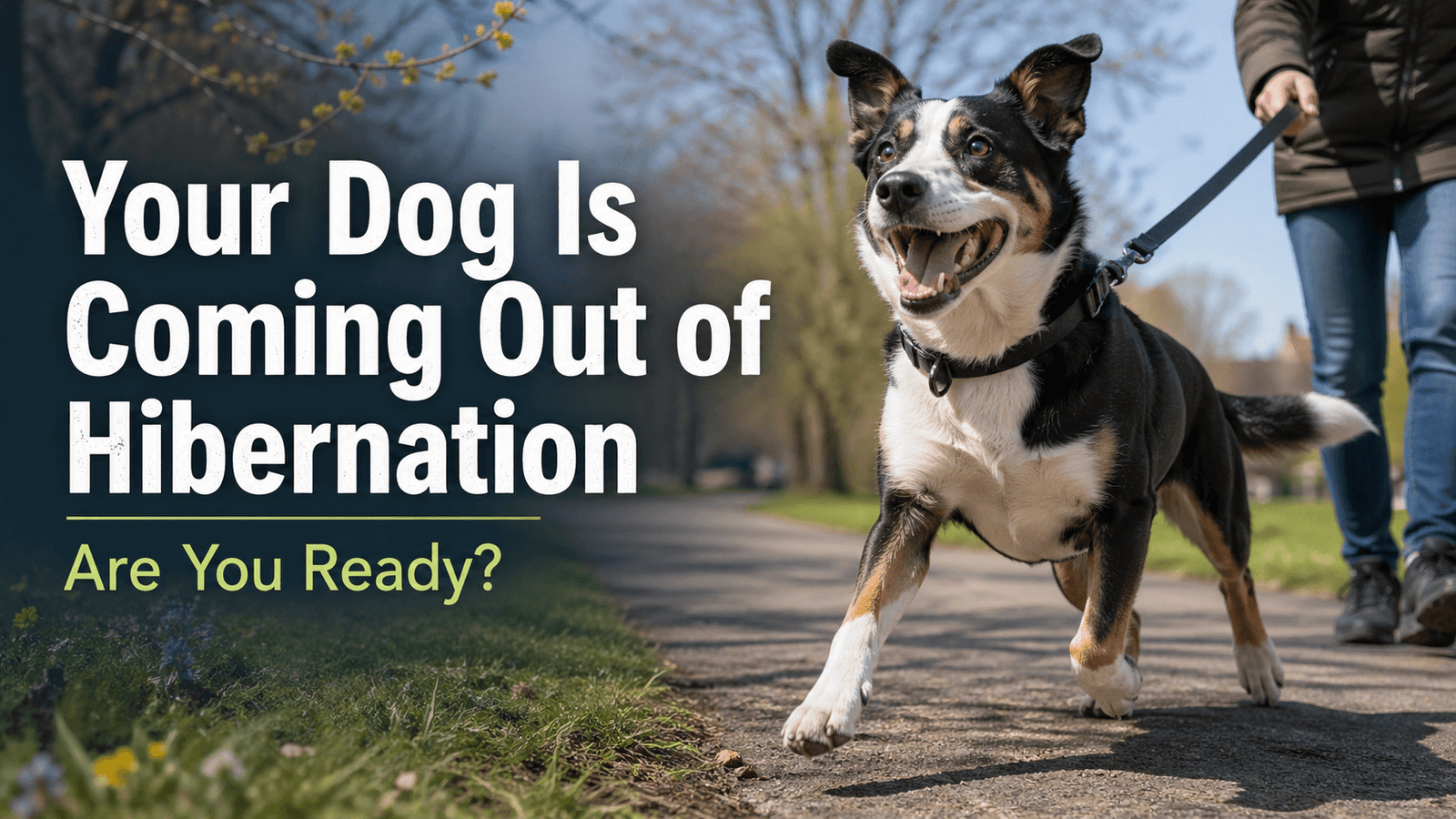
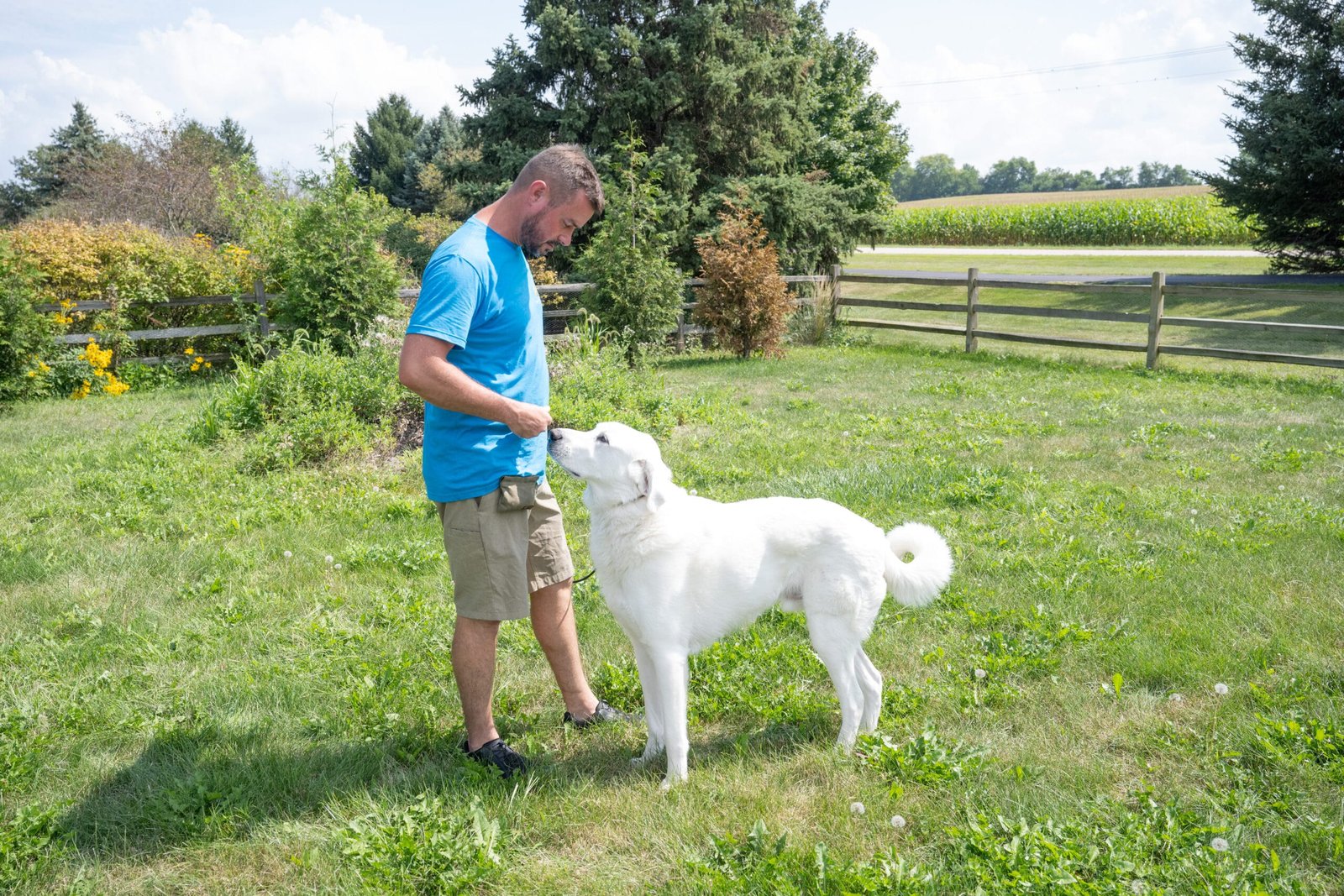
Begin on a walk in a quiet area. Do not cue attention. The moment the dog glances toward you, mark and reward. You can feed beside your leg, change direction, or release the dog back to sniffing. The environment itself can reward the check-in.
Avoid constantly calling the dog's name. The value of a check-in is that the dog chooses to reconnect. After the habit develops, name recognition can be used when attention is needed quickly, but voluntary attention should continue to be reinforced.
Practice around mild distractions at enough distance for the dog to think. If the dog becomes fixed on a trigger, increase distance and wait for the first small turn back. Mark early, before the dog fully disengages or reacts.
Vary the reward. Food is useful, but forward movement, sniffing, greeting, or changing direction may be more valuable. Thoughtful reward placement can keep the dog near you or reset the dog for another repetition.
Check-ins support loose leash walking, recall, reactivity work, and general engagement. The goal is not for the dog to stare at the handler through the entire walk. A healthy pattern includes exploring the environment, checking where the handler is, and returning attention when the situation changes.
Relatable Child Psychology Analogy
Think about a child exploring a crowded museum while periodically looking back to confirm where the parent is. The child is still interested in the environment, but those quick check-ins maintain connection and safety. A dog checking in during a walk is doing something similar. The trainer reinforces those voluntary moments so the dog learns it can notice the world without completely disconnecting from the person guiding the outing.
Related Training
- Loose Leash WalkingLoose leash walking teaches the dog to move with the handler while keeping slack in the leash.
- HeelHeel teaches the dog to maintain a specific position beside the handler, usually with the shoulder near the handler's leg.
- Leash PressureLeash pressure training teaches the dog to respond to light directional tension by moving with it and restoring slack.
- Directional ChangesDirectional changes teach the dog to notice and follow changes in the handler's movement.
- Long-Line TrainingLong-line training uses a longer leash to practice recall, exploration, distance skills, and controlled freedom while maintaining physical safety.
Related Dog Behavior
- Leash PullingForward, sideways, or backward pressure that keeps the leash tight or moves the handler.
- LungingA sudden forward movement toward a person, dog, object, sound, or other trigger.
- FixationSustained visual or physical focus that makes it difficult for a dog to disengage and respond to the handler.
- ChasingRapid pursuit of people, animals, vehicles, bicycles, toys, or moving objects.
- Greeting FrustrationBarking, pulling, whining, or lunging when a dog wants social access but cannot reach the person or dog.
Related Psychology
- Environmental RewardsNaturally valuable opportunities in the environment, including sniffing, exploring, greeting, movement, and gaining distance.
- ReinforcementAny consequence that increases the likelihood a behavior will happen again.
- Premack PrincipleUsing a more probable or preferred activity to reinforce a less probable behavior.
- ArousalThe level of nervous-system activation that influences attention, movement, emotion, and responsiveness.
- TimingHow closely feedback or consequences follow a behavior, affecting what the dog connects to the outcome.