What Recovery Means
The process of returning toward a normal emotional, physical, and behavioral baseline after activation.
How Recovery Appears in Everyday Life
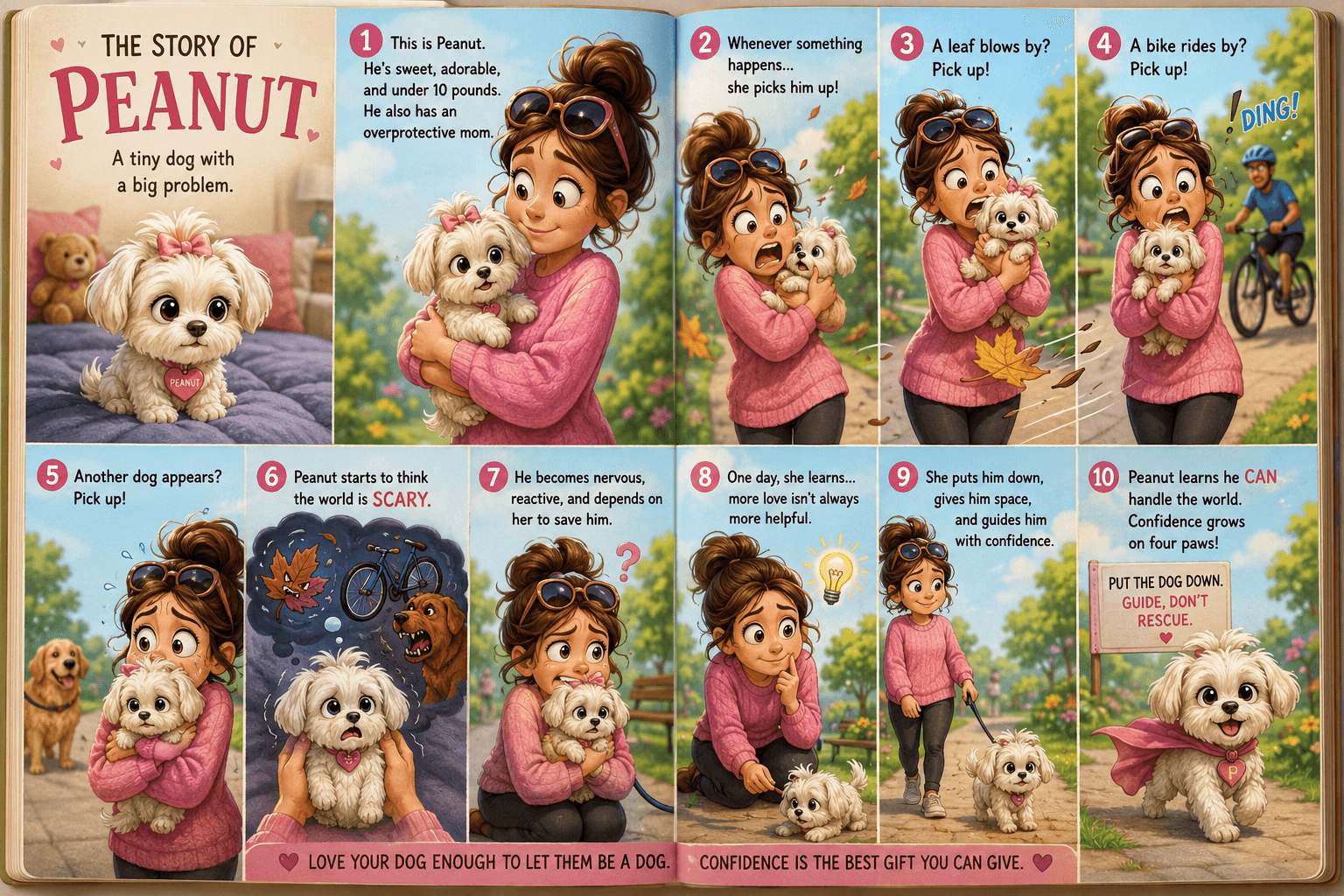
A dog reacts to a bicycle by barking and lunging. The bicycle passes, but the dog continues scanning, pulling, and breathing rapidly for several minutes. Another dog may experience the same trigger, shake off, sniff the ground, and return attention to the handler within seconds. Both dogs reacted, but their recovery patterns are different.
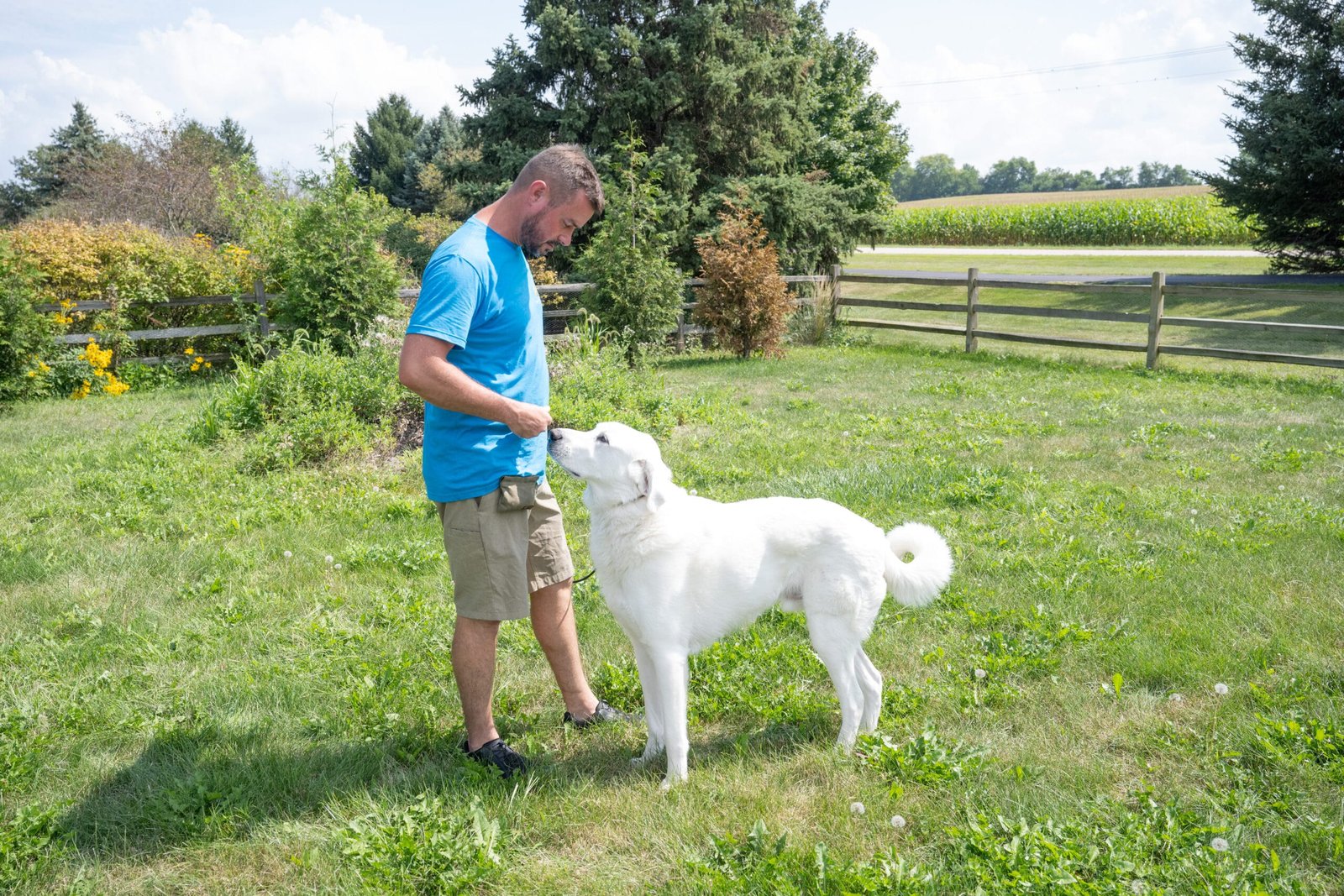
A trainer watches what happens after the event, not only during it. The dog may be given distance, movement, sniffing, water, or a quiet pause. Difficult training is delayed until the dog's body and attention begin returning to normal. If recovery remains slow, the trainer reduces the intensity or frequency of future exposures and looks for accumulated stress.
Recovery is used side by side with threshold, stress, trigger stacking, arousal, decompression, and confidence. Threshold affects how intense the reaction becomes. Stress and trigger stacking can lengthen recovery. Arousal may remain elevated after the trigger disappears. Decompression supports the nervous system after demanding experiences. Confidence often grows as the dog learns that challenges end and calm can return.
A trainer uses recovery as a measure of progress. Success is not limited to eliminating every reaction. A dog that notices a trigger, reacts less intensely, and returns to baseline faster is developing better regulation. That information helps the trainer set realistic criteria and decide whether the dog is ready for another repetition.
Related Psychology
- FearAn emotional response to something the dog perceives as an immediate threat or danger.
- AnxietyWorry or anticipation about a possible threat, uncertain outcome, or future event.
- StressThe body and brain’s response to physical, emotional, or environmental demands.
- ThresholdThe point where emotional intensity becomes too high for effective learning or reliable responses.
- Trigger StackingThe accumulation of stressful or exciting events before the dog has fully recovered from earlier events.
Related Dog Behavior
- ReactivityAn intense response to a trigger that may include barking, lunging, pulling, freezing, spinning, or difficulty disengaging.
- Fearful BehaviorBehavior that communicates concern about a person, animal, object, sound, place, or interaction.
- AvoidanceBehavior used to increase distance from, delay, or escape a person, place, object, interaction, or task.
- FreezingA sudden pause or complete stop in movement that may signal uncertainty, conflict, fear, guarding, or preparation to act.
- Body StiffnessA visible increase in muscle tension that may signal uncertainty, high focus, discomfort, conflict, or preparation for action.
Related Dog Training
- ManagementManagement changes the environment to prevent unwanted behavior from being rehearsed while training is underway.
- Distance ManagementDistance management uses physical space to keep the dog within a workable emotional range.
- CounterconditioningCounterconditioning changes the dog's emotional expectation by pairing a trigger with something the dog values.
- DesensitizationDesensitization gradually exposes the dog to a trigger at an intensity low enough to remain manageable.
- Relaxation TrainingTeaching repeatable behaviors and routines that support settling and lower physical activation.