What Habituation Means
A decreased response after repeated exposure to a stimulus that proves unimportant or harmless.
How Habituation Appears in Everyday Life
A puppy initially startles every time the dishwasher changes cycles. The family does not force the puppy closer or create excitement around the sound. The dishwasher continues operating during normal life, and nothing significant follows. Over time, the puppy notices it less and eventually sleeps through it.
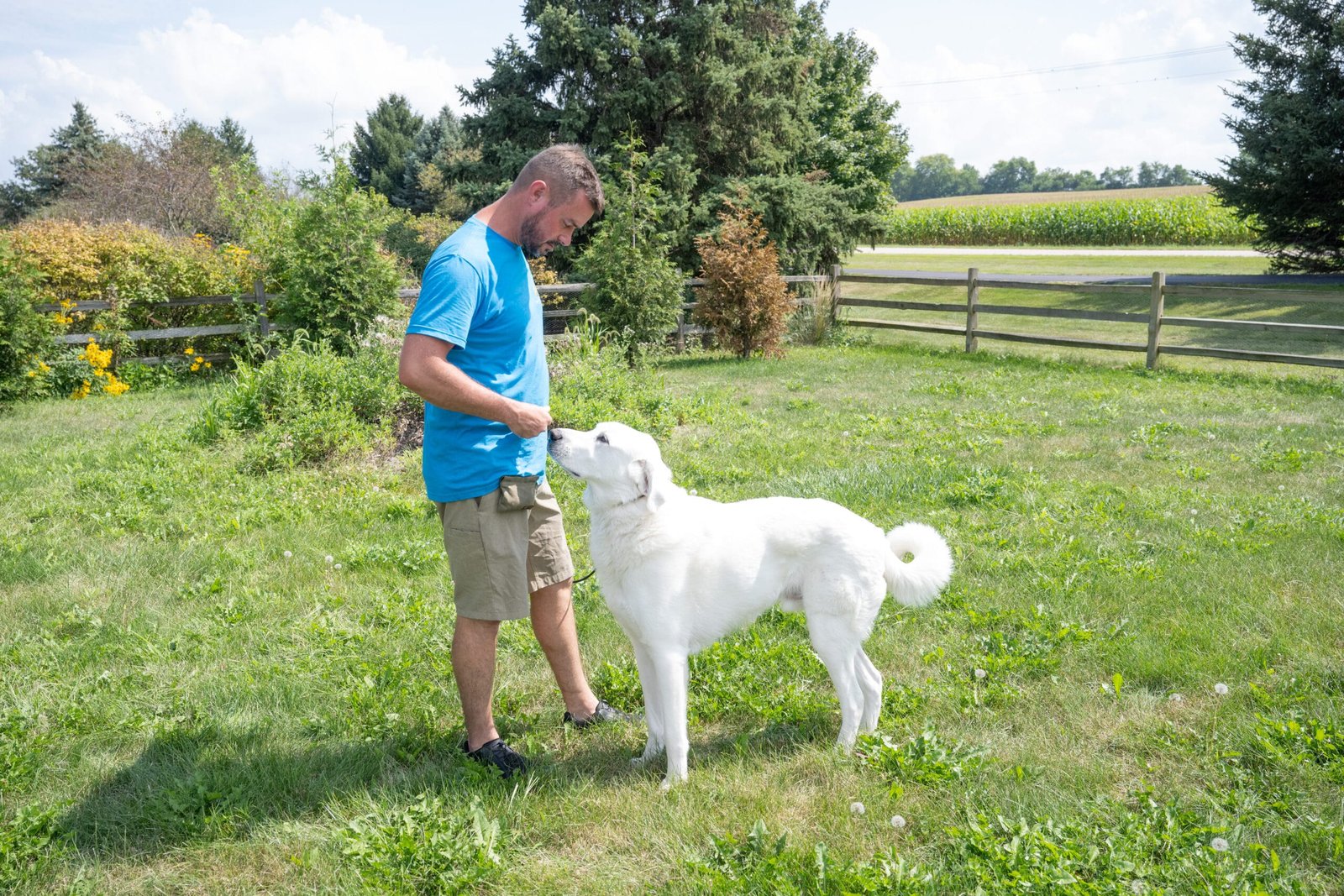
A trainer uses habituation when exposure can remain mild and the dog is able to recover quickly. The stimulus is presented at a level that does not push the dog over threshold. The trainer watches body language and avoids increasing intensity too quickly. If the dog remains worried or becomes more reactive, the process is not successful habituation.
Habituation is used side by side with sensitization, threshold, arousal, association, and predictability. Sensitization is the opposite pattern, where repeated exposure creates a stronger response. Threshold determines whether the exposure is mild enough for learning. Arousal shows how activated the dog becomes. Association can add emotional meaning if the stimulus repeatedly predicts something important. Predictability may make a harmless event easier to process.
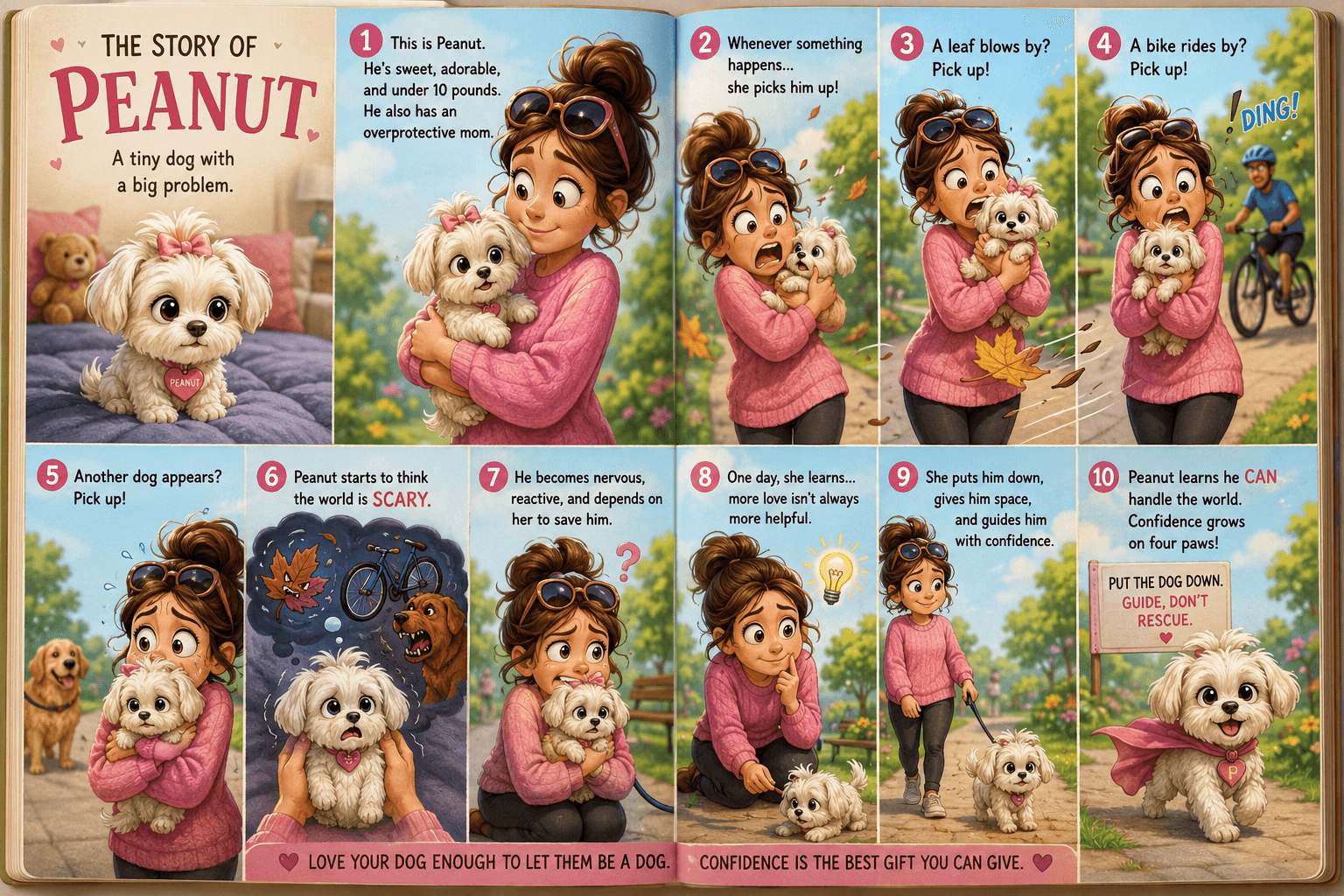
A trainer does not assume that repeated exposure automatically creates comfort. Taking a fearful dog into the same overwhelming environment every day can strengthen fear instead of reducing it. Successful habituation looks like less attention, less tension, and faster recovery without forcing the dog to endure distress.
Related Psychology
- Classical ConditioningLearning through association, when one event begins to predict another and changes the dog’s emotional response.
- AssociationA learned connection between events, cues, places, actions, emotions, or outcomes.
- SensitizationAn increased response after repeated or intense exposure, especially when the experience is stressful.
- GeneralizationApplying learning across different places, people, positions, distances, and situations.
- DiscriminationLearning to respond differently to similar cues, contexts, objects, or situations.
Related Dog Behavior
- Fearful BehaviorBehavior that communicates concern about a person, animal, object, sound, place, or interaction.
- ReactivityAn intense response to a trigger that may include barking, lunging, pulling, freezing, spinning, or difficulty disengaging.
- AvoidanceBehavior used to increase distance from, delay, or escape a person, place, object, interaction, or task.
- FixationSustained visual or physical focus that makes it difficult for a dog to disengage and respond to the handler.
- Slow RecoveryA prolonged return to normal breathing, movement, attention, and behavior after a stressful or exciting event.
Related Dog Training
- DesensitizationDesensitization gradually exposes the dog to a trigger at an intensity low enough to remain manageable.
- CounterconditioningCounterconditioning changes the dog's emotional expectation by pairing a trigger with something the dog values.
- ProofingProofing strengthens a known behavior around distractions, duration, distance, and real-life difficulty.
- Distraction TrainingTeaching a dog to perform known behaviors around gradually increasing distractions.
- Pattern TrainingPattern training uses a simple, repeatable sequence of movement and reinforcement to create predictability.