What Classical Conditioning Means
Learning through association, when one event begins to predict another and changes the dog’s emotional response.
How Classical Conditioning Appears in Everyday Life
A dog hears the doorbell and immediately begins barking, running toward the entryway, and becoming highly excited. The doorbell did not originally have meaning. Over time, it repeatedly predicted visitors, movement, greetings, and activity. Through classical conditioning, the sound became emotionally charged.
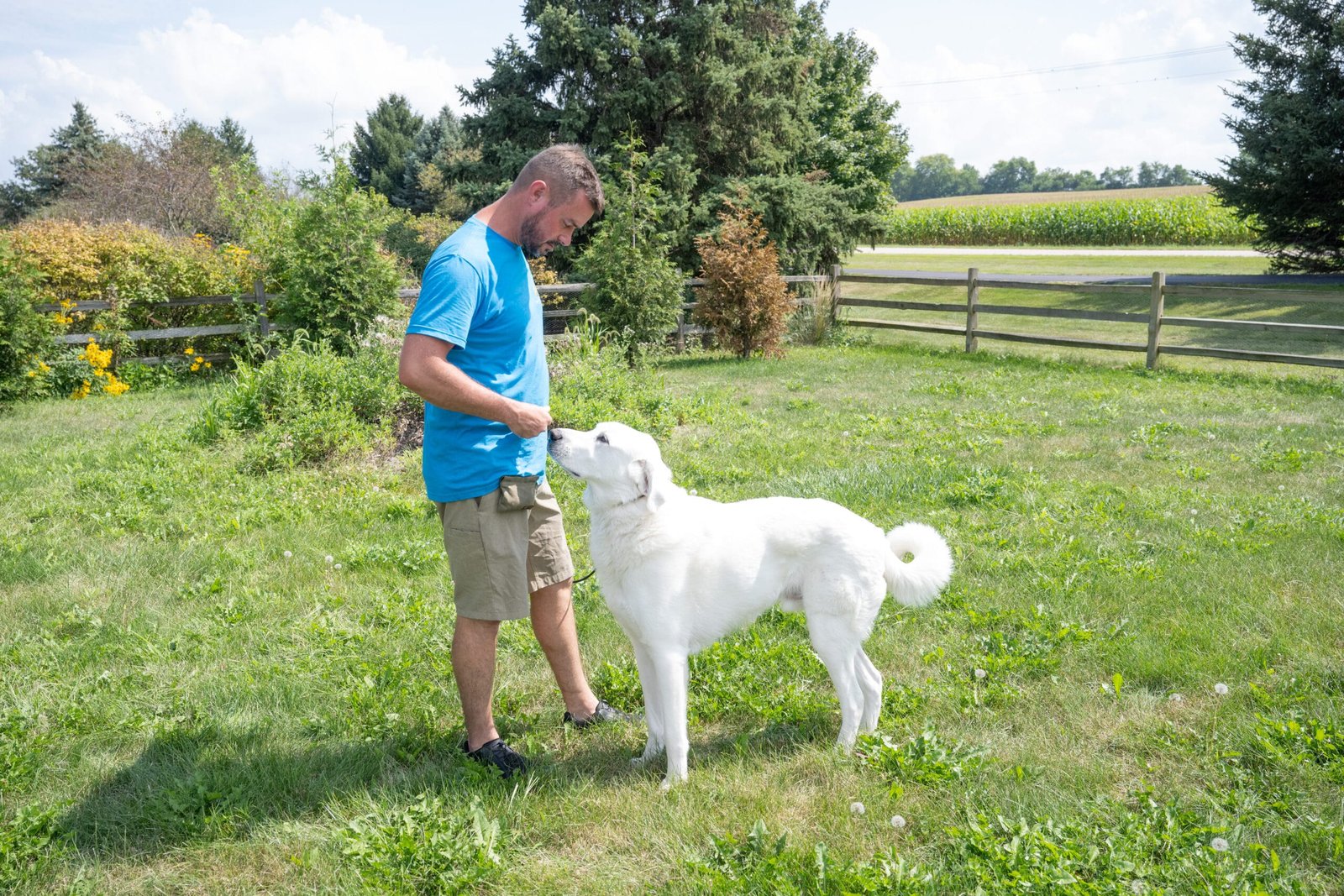
A trainer may begin changing that association by presenting the doorbell at a low, manageable volume and immediately pairing it with something calm and enjoyable. The dog might hear the sound, receive food away from the door, and then settle on a mat. Training begins at an intensity where the dog can remain below threshold. As the emotional response becomes less intense, the volume and realism are gradually increased.
Classical conditioning is used side by side with association, habituation, sensitization, threshold, and emotional state. Association explains how the sound gained meaning. Threshold determines whether the dog is calm enough for new learning to occur. Habituation may develop when harmless sounds are repeated without important consequences. Sensitization may occur instead if repeated exposure continues to frighten or overwhelm the dog.
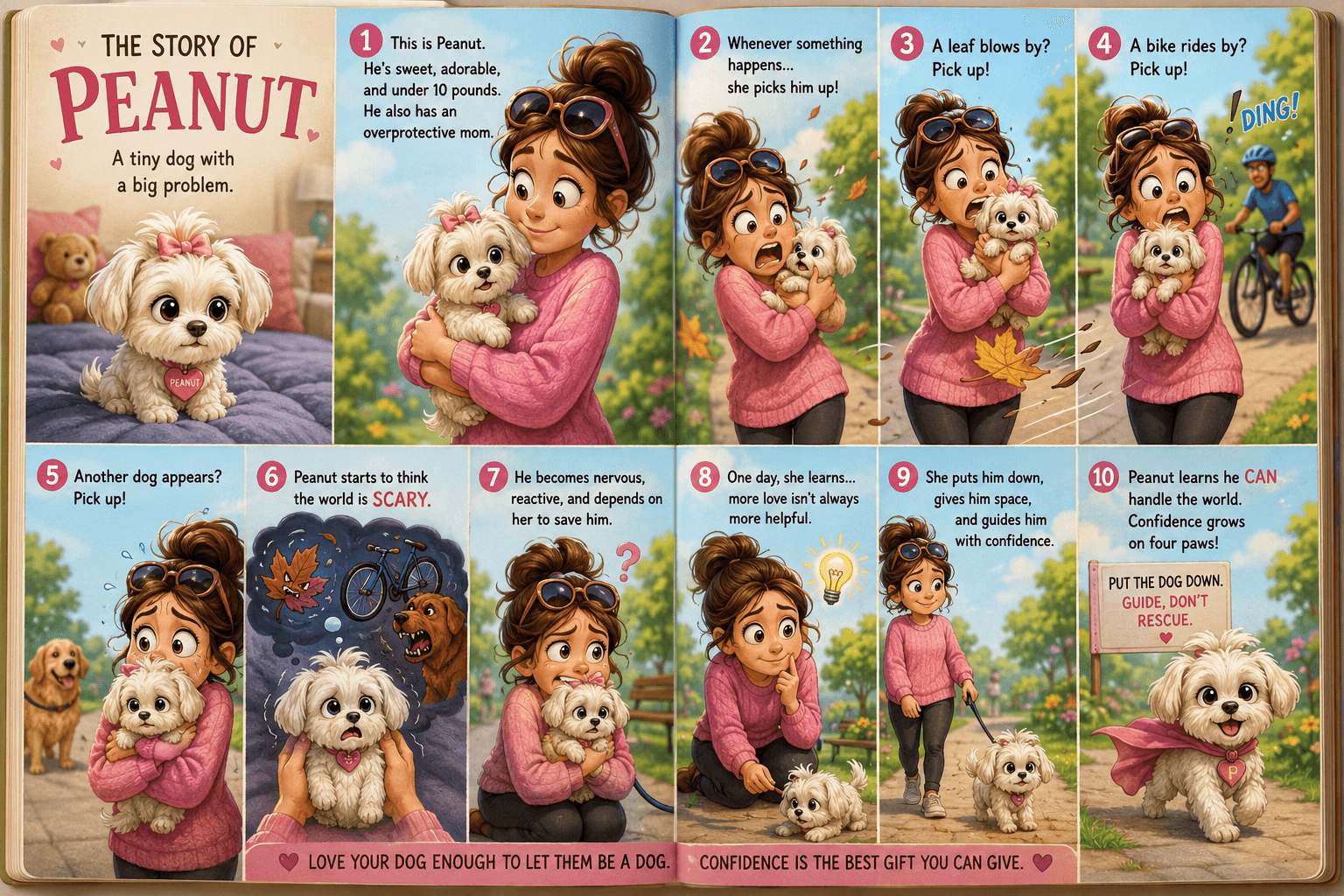
A trainer uses classical conditioning when the main issue is emotion rather than obedience. A dog may know “sit” and still feel frightened by strangers. Giving the cue does not automatically change the fear. By changing what the trigger predicts, the trainer works on the emotional response underneath the visible behavior while also teaching practical behaviors the dog can use when the trigger appears.
Related Psychology
- AssociationA learned connection between events, cues, places, actions, emotions, or outcomes.
- HabituationA decreased response after repeated exposure to a stimulus that proves unimportant or harmless.
- SensitizationAn increased response after repeated or intense exposure, especially when the experience is stressful.
- GeneralizationApplying learning across different places, people, positions, distances, and situations.
- DiscriminationLearning to respond differently to similar cues, contexts, objects, or situations.
Related Dog Behavior
- Fearful BehaviorBehavior that communicates concern about a person, animal, object, sound, place, or interaction.
- ReactivityAn intense response to a trigger that may include barking, lunging, pulling, freezing, spinning, or difficulty disengaging.
- AvoidanceBehavior used to increase distance from, delay, or escape a person, place, object, interaction, or task.
- FixationSustained visual or physical focus that makes it difficult for a dog to disengage and respond to the handler.
- Slow RecoveryA prolonged return to normal breathing, movement, attention, and behavior after a stressful or exciting event.
Related Dog Training
- DesensitizationDesensitization gradually exposes the dog to a trigger at an intensity low enough to remain manageable.
- CounterconditioningCounterconditioning changes the dog's emotional expectation by pairing a trigger with something the dog values.
- ProofingProofing strengthens a known behavior around distractions, duration, distance, and real-life difficulty.
- Distraction TrainingTeaching a dog to perform known behaviors around gradually increasing distractions.
- Pattern TrainingPattern training uses a simple, repeatable sequence of movement and reinforcement to create predictability.