What Distance Training Means
Teaching a dog to respond or remain in position as the handler moves farther away.
How To Teach Distance Training
Teaching a dog to respond or remain in position as the handler moves farther away.
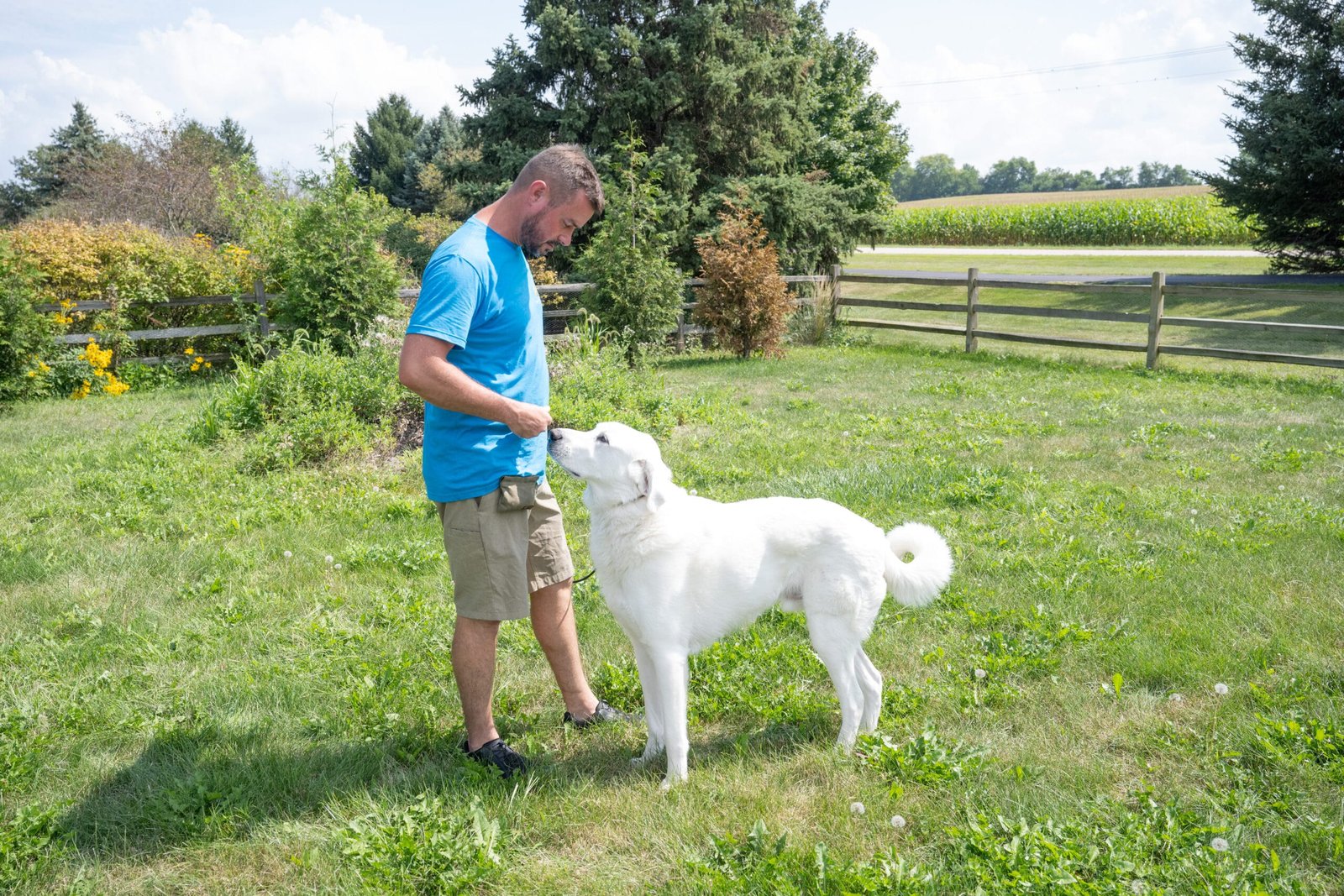
Begin in a quiet environment and decide exactly what success looks like. Use a clear cue or setup, mark the correct choice, and reinforce promptly. Keep the first repetitions easy enough that the dog can understand the pattern without repeated guessing or frustration.
Increase only one challenge at a time. Depending on the skill, that may mean adding seconds, steps, distance, movement, novelty, or distractions. If accuracy drops, reduce the challenge and rebuild from the last successful level. Training should create information, not simply test whether the dog can tolerate failure.
Use this skill in short sessions and then practice it in the situations where it will actually be needed. Reinforcement should remain meaningful, and the handler should watch the dog’s arousal, body language, and recovery. The goal is dependable understanding that can transfer into everyday life.
Related Training
- RecallRecall teaches the dog to turn away from the environment, travel to the handler, and come all the way within reach.
- Emergency RecallEmergency recall is a separate, highly reinforced cue reserved for urgent situations.
- Long-Line TrainingLong-line training uses a longer leash to practice recall, exploration, distance skills, and controlled freedom while maintaining physical safety.
- Distraction TrainingTeaching a dog to perform known behaviors around gradually increasing distractions.
- EngagementEngagement is the dog's willingness to notice, connect with, and participate with the handler.
Related Dog Behavior
- ChasingRapid pursuit of people, animals, vehicles, bicycles, toys, or moving objects.
- Escape AttemptsBehavior directed toward getting out of a yard, crate, room, vehicle, or other confined area.
- FixationSustained visual or physical focus that makes it difficult for a dog to disengage and respond to the handler.
- ScavengingSearching for and consuming discarded food, trash, animal remains, or other edible material.
Related Psychology
- Reinforcement HistoryThe accumulated pattern of outcomes that has strengthened or weakened a behavior over time.
- Food MotivationThe degree to which food functions as a valuable outcome for an individual dog in a specific context.
- GeneralizationApplying learning across different places, people, positions, distances, and situations.
- TimingHow closely feedback or consequences follow a behavior, affecting what the dog connects to the outcome.
- Environmental RewardsNaturally valuable opportunities in the environment, including sniffing, exploring, greeting, movement, and gaining distance.