What Emergency Recall Means
Emergency recall is a separate, highly reinforced cue reserved for urgent situations. It should predict an exceptional reward and be protected from casual use so its response remains strong.
How To Teach Emergency Recall
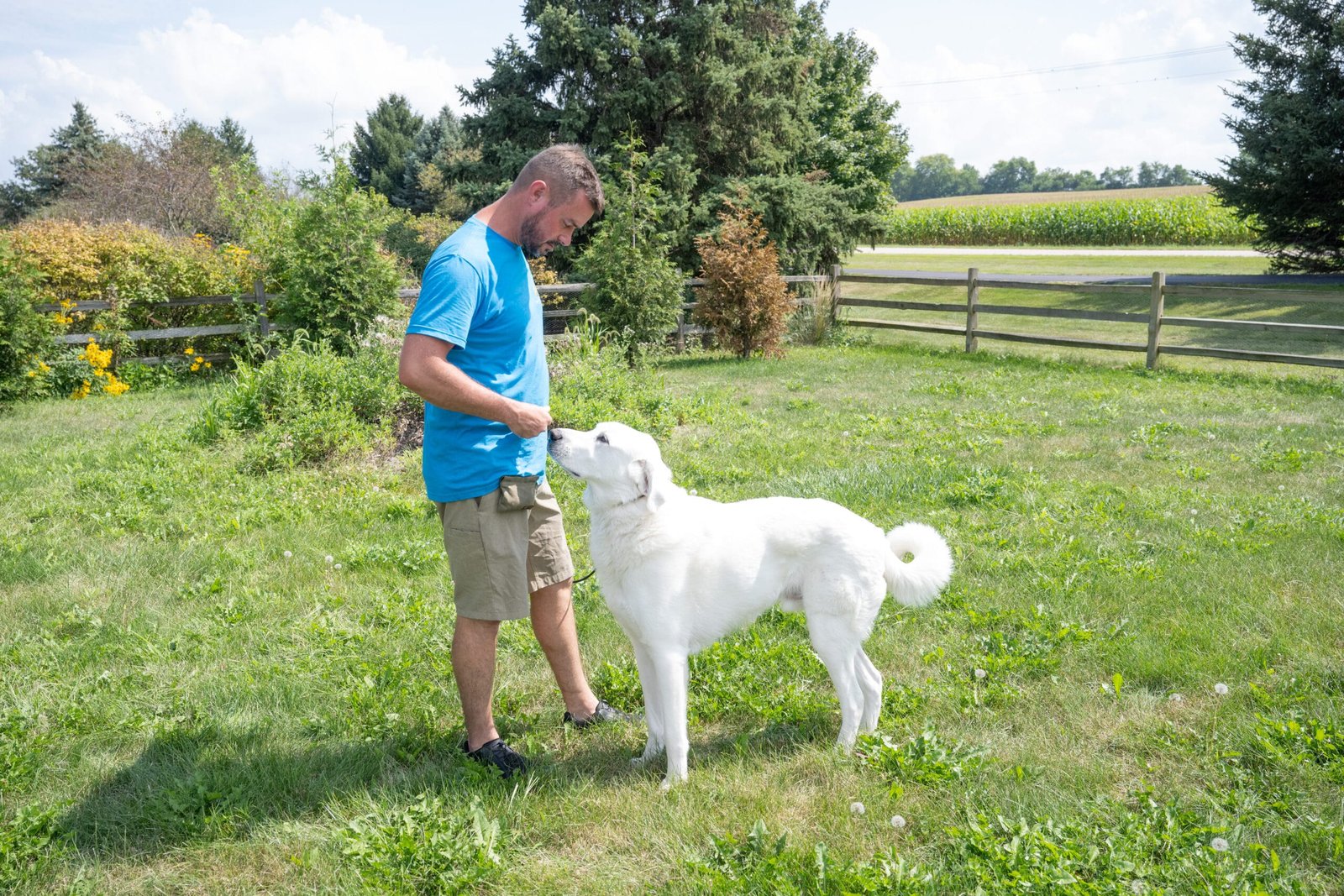
Choose a unique word or sound that the dog does not hear in normal conversation. Begin in a quiet room. Give the cue in an enthusiastic voice, move away quickly, and deliver a large, memorable reward when the dog reaches you. Use several pieces of food, a favorite game, or another reward the dog considers exceptional.
Practice only a few repetitions at a time and only when success is almost certain. Gradually move to other rooms, the yard, and controlled outdoor settings with a long line. Continue using unusually valuable reinforcement every time.
Do not use the emergency cue to end fun, trim nails, enter the crate, or test whether the dog will respond. It is not a stronger version of repeatedly ignored recall. It is a carefully maintained safety cue.
Practice periodically so the association stays strong, but do not use it so often that it becomes ordinary. In a real emergency, give the cue once, move away from the danger, and reward heavily when the dog reaches you. Secure the dog immediately afterward.
Emergency recall works alongside ordinary recall, long-line training, engagement, and name recognition. It does not replace physical safety measures near roads, wildlife, or uncontrolled dogs. Its strength comes from a history of rare, successful repetitions followed by the best reinforcement the dog receives.
Relatable Child Psychology Analogy
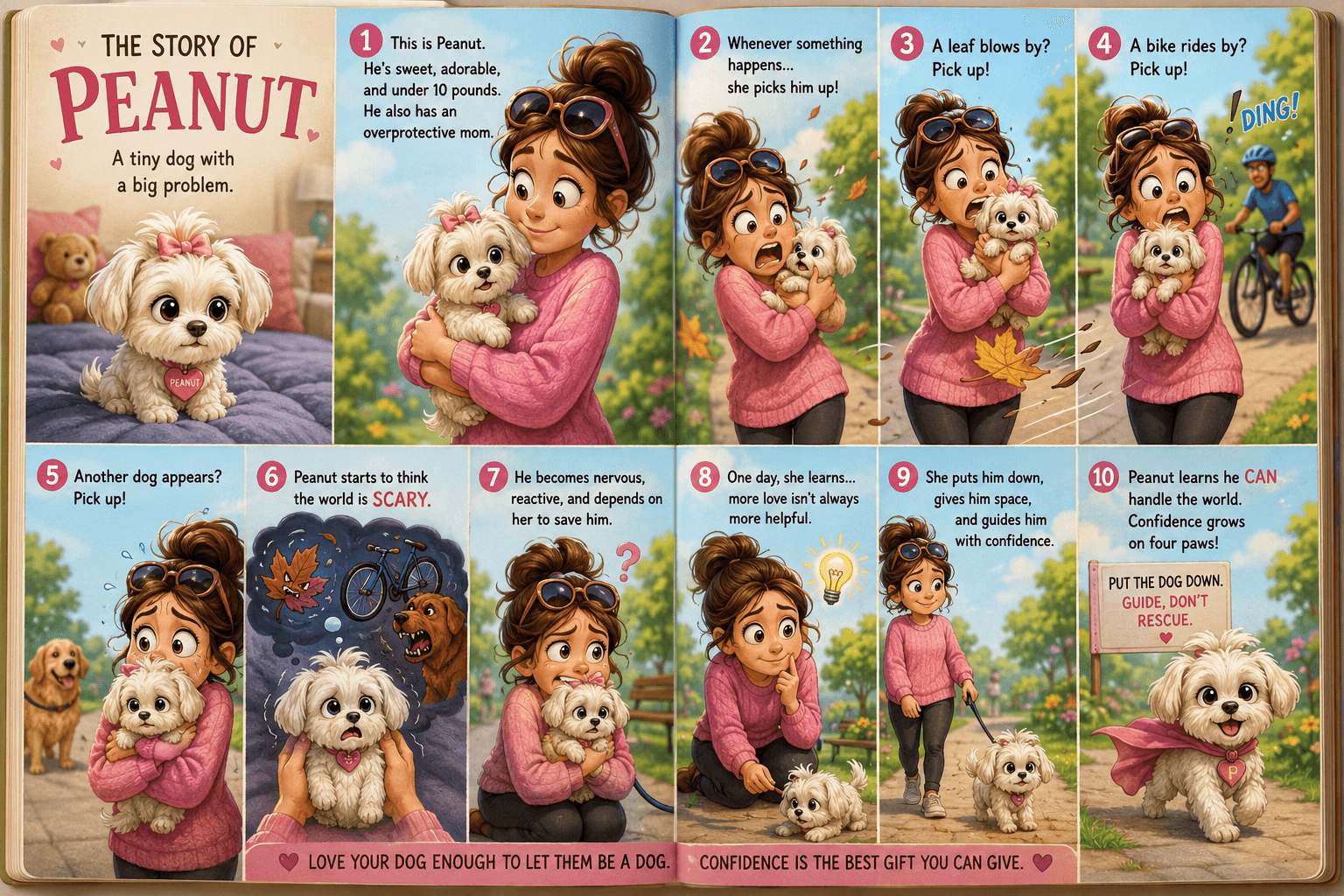
Think about teaching a child a special word that means stop immediately because a car is approaching or another serious danger exists. That word would be practiced carefully, heavily rewarded, and protected from casual overuse. Emergency recall serves the same purpose for a dog. It is a separate, high-value response reserved for urgent situations, not a cue repeated throughout the day until it loses meaning.
Related Training
- RecallRecall teaches the dog to turn away from the environment, travel to the handler, and come all the way within reach.
- Long-Line TrainingLong-line training uses a longer leash to practice recall, exploration, distance skills, and controlled freedom while maintaining physical safety.
- Distance TrainingTeaching a dog to respond or remain in position as the handler moves farther away.
- Distraction TrainingTeaching a dog to perform known behaviors around gradually increasing distractions.
- EngagementEngagement is the dog's willingness to notice, connect with, and participate with the handler.
Related Dog Behavior
- ChasingRapid pursuit of people, animals, vehicles, bicycles, toys, or moving objects.
- Escape AttemptsBehavior directed toward getting out of a yard, crate, room, vehicle, or other confined area.
- FixationSustained visual or physical focus that makes it difficult for a dog to disengage and respond to the handler.
- ScavengingSearching for and consuming discarded food, trash, animal remains, or other edible material.
Related Psychology
- Reinforcement HistoryThe accumulated pattern of outcomes that has strengthened or weakened a behavior over time.
- Food MotivationThe degree to which food functions as a valuable outcome for an individual dog in a specific context.
- GeneralizationApplying learning across different places, people, positions, distances, and situations.
- TimingHow closely feedback or consequences follow a behavior, affecting what the dog connects to the outcome.
- Environmental RewardsNaturally valuable opportunities in the environment, including sniffing, exploring, greeting, movement, and gaining distance.