What Muzzle Training Means
Muzzle training teaches the dog to place its nose into and comfortably wear a properly fitted basket muzzle. A muzzle is a safety tool and should be conditioned before it is needed whenever possible.
How To Teach Muzzle Training
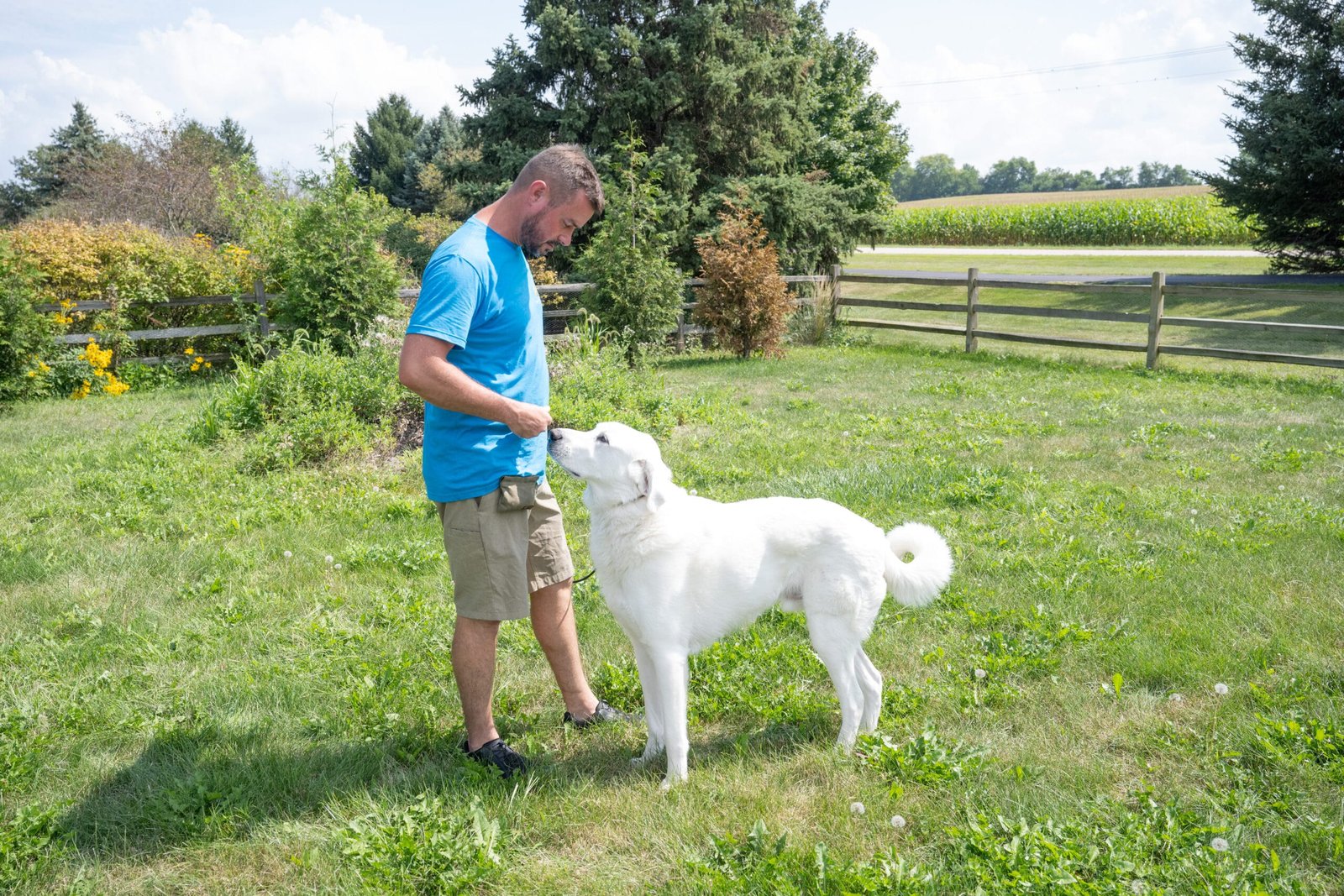
Select a basket muzzle that allows panting, drinking, and receiving food. Begin by presenting the muzzle and rewarding the dog for looking at it. Place food inside and allow the dog to insert its nose voluntarily. Do not fasten the straps yet.
Build duration gradually. Reward while the dog's nose remains inside, then allow the dog to withdraw. Add brief strap movement, touch behind the head, and eventually fasten the muzzle for one second. Increase wearing time while the dog eats, walks, or performs familiar behaviors.
Avoid pushing the muzzle onto the dog's face or using it only during frightening events. That creates a negative association. The muzzle should predict reinforcement and normal activity long before a stressful appointment.
Monitor fit and skin contact. The dog should not be able to remove the muzzle, but it must have enough room to pant fully. A fabric grooming muzzle is not appropriate for extended wear or exercise.
Muzzle training works with shaping, cooperative care, hand targeting, and desensitization. Wearing a muzzle does not mean the dog is bad, and it does not replace behavior work or management. It creates an additional safety layer that can protect the dog, handlers, veterinary staff, and the public while training continues.
Relatable Child Psychology Analogy
Think about helping a child become comfortable wearing a bicycle helmet. The helmet should be introduced before an emergency, paired with normal activities, and fitted gradually so it does not predict panic or punishment. Muzzle training works similarly with dogs. The equipment becomes familiar through food, short sessions, movement, and positive experiences. It is taught as a safety skill, not suddenly forced onto the dog during the most stressful moment.
Related Training
- Cooperative CareCooperative care teaches the dog to participate voluntarily in grooming, medical handling, and body care.
- Handling and GroomingHandling and grooming training prepares the dog for touch, brushing, bathing, nail care, ear care, and routine body inspection.
- Stationing for CareStationing for care teaches the dog to remain on a mat, platform, or defined position during grooming, examination, medication, and other handling.
- CounterconditioningCounterconditioning changes the dog's emotional expectation by pairing a trigger with something the dog values.
Related Dog Behavior
- AvoidanceBehavior used to increase distance from, delay, or escape a person, place, object, interaction, or task.
- FreezingA sudden pause or complete stop in movement that may signal uncertainty, conflict, fear, guarding, or preparation to act.
- GrowlingA low vocal warning or communication signal that may indicate discomfort, fear, conflict, guarding, pain, or play.
- SnappingA rapid bite motion that may or may not make contact and often functions as a warning or distance-increasing behavior.
- Lip LickingA quick tongue movement over the lips or nose that may appear with anticipation, uncertainty, stress, or social pressure.
Related Psychology
- Choice and AgencyThe dog’s ability to make meaningful choices and influence what happens during an interaction.
- TrustConfidence that another individual will behave in a predictable, safe, and understandable way.
- AssociationA learned connection between events, cues, places, actions, emotions, or outcomes.
- FearAn emotional response to something the dog perceives as an immediate threat or danger.
- PredictabilityThe degree to which a dog can anticipate what happens next based on stable patterns and signals.