What Reinforcement Means
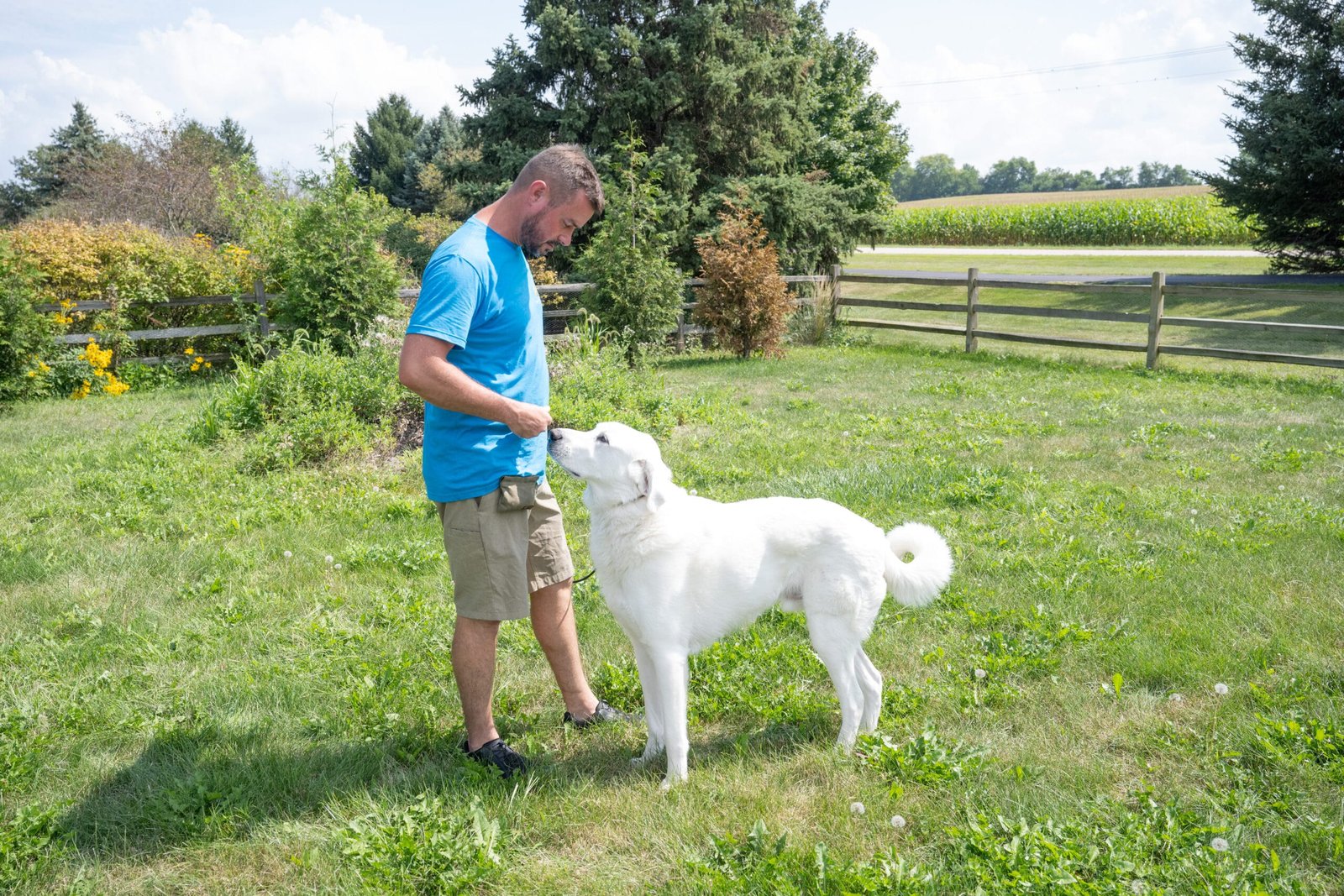
Any consequence that increases the likelihood a behavior will happen again.
How Reinforcement Appears in Everyday Life
A dog begins barking at the back door every evening. The family sees the barking as demanding, but every time it happens, someone opens the door and lets the dog into the yard. From the dog's perspective, barking works. It produces access to something valuable, so the behavior becomes stronger through reinforcement.
A trainer will look past the label and study what happens immediately after the behavior. Does barking create attention, movement, food, freedom, distance, or access to the environment? Once the payoff is identified, the trainer can prevent the unwanted behavior from repeatedly succeeding while teaching a clearer alternative. In this case, the dog might be taught to sit near the door, touch a bell, or make eye contact. Access to the yard is then delivered after that calmer behavior.
Reinforcement is used side by side with timing, consistency, motivation, and operant conditioning. Timing determines which behavior the dog connects to the outcome. Motivation determines whether the outcome matters enough to strengthen the behavior. Consistency helps the dog recognize the pattern. Operant conditioning explains how consequences change future behavior.
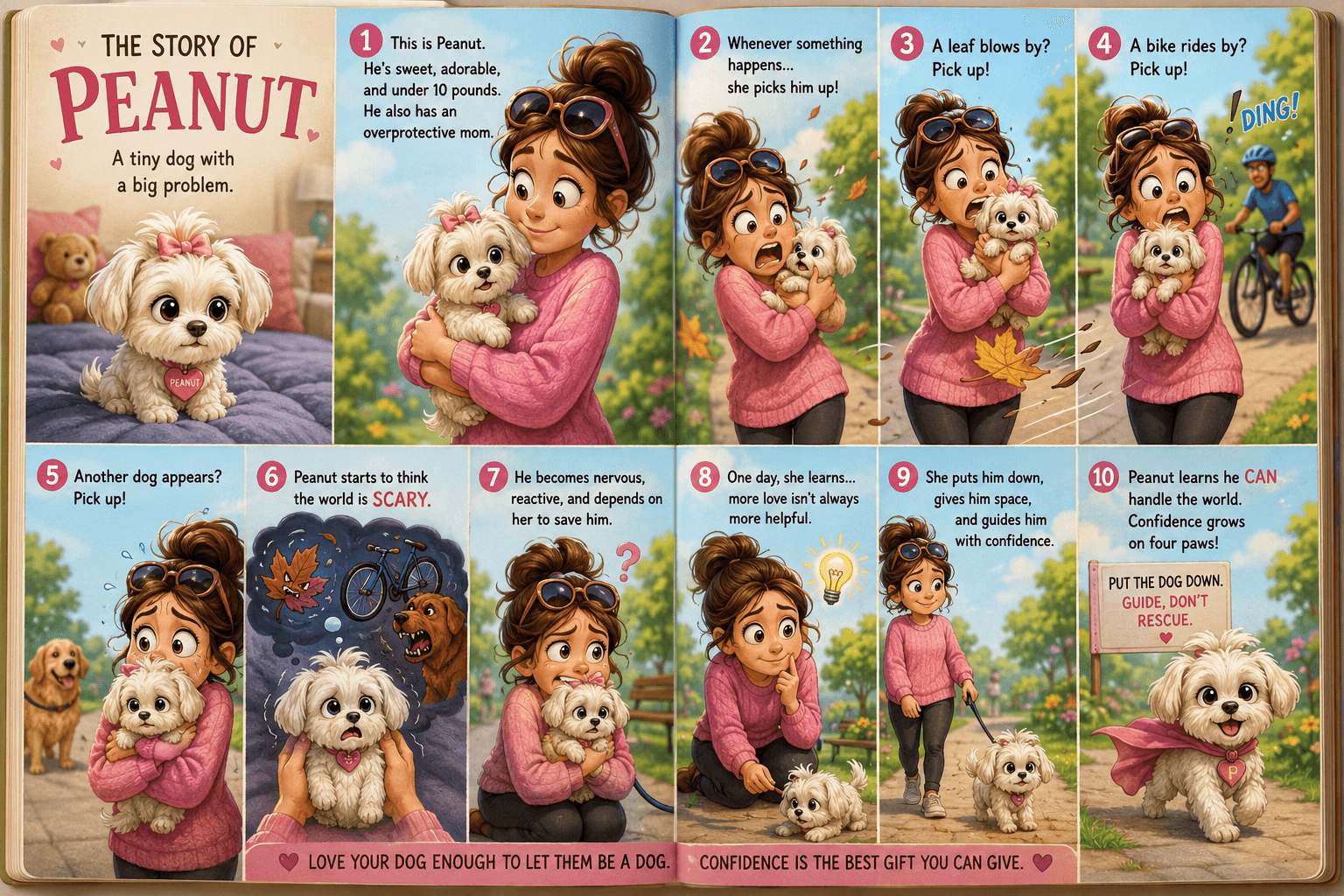
Reinforcement can also happen accidentally. Pushing a jumping dog away may provide the attention and physical interaction the dog wanted. Allowing a pulling dog to reach a smell can reinforce pulling. A trainer uses reinforcement intentionally by asking one practical question: what did the dog gain, avoid, or change by doing that behavior?
Related Psychology
- Positive ReinforcementAdding something the dog values after a behavior so that behavior becomes more likely in the future.
- Operant ConditioningLearning in which consequences influence whether a behavior becomes more or less likely.
- ExtinctionA reduction in behavior when the consequence that previously maintained it no longer occurs.
- Reinforcement HistoryThe accumulated pattern of outcomes that has strengthened or weakened a behavior over time.
- TimingHow closely feedback or consequences follow a behavior, affecting what the dog connects to the outcome.
Related Dog Behavior
- Demand BarkingBarking that has learned to produce attention, food, movement, play, access, or another desired outcome.
- JumpingPlacing the front paws or body onto a person, object, door, or surface, often during greetings or excitement.
- Leash PullingForward, sideways, or backward pressure that keeps the leash tight or moves the handler.
- Counter SurfingSearching counters, tables, sinks, or other surfaces for food or interesting objects.
- Attention-Seeking BehaviorBehavior used to gain interaction, including pawing, nudging, barking, jumping, stealing objects, or interrupting people.
Related Dog Training
- Marker TrainingMarker training uses a consistent word, click, or sound to identify the exact moment the dog performs the desired behavior.
- Reward PlacementReward placement is the deliberate location where reinforcement is delivered.
- ShapingShaping teaches a behavior by reinforcing small steps that gradually move toward the finished skill.
- CapturingCapturing means reinforcing a behavior the dog offers naturally without being prompted.
- Alternative Behavior TrainingAlternative behavior training teaches the dog a specific, realistic response that can replace an unwanted behavior.