What Food Motivation Means
The degree to which food functions as a valuable outcome for an individual dog in a specific context.
How Food Motivation Appears in Everyday Life
A dog works eagerly for kibble in the kitchen but ignores chicken during a busy group class. The owner concludes that the dog is not food motivated, but the trainer notices that the dog is scanning, tense, and close to threshold. The environment is competing more strongly than the food.
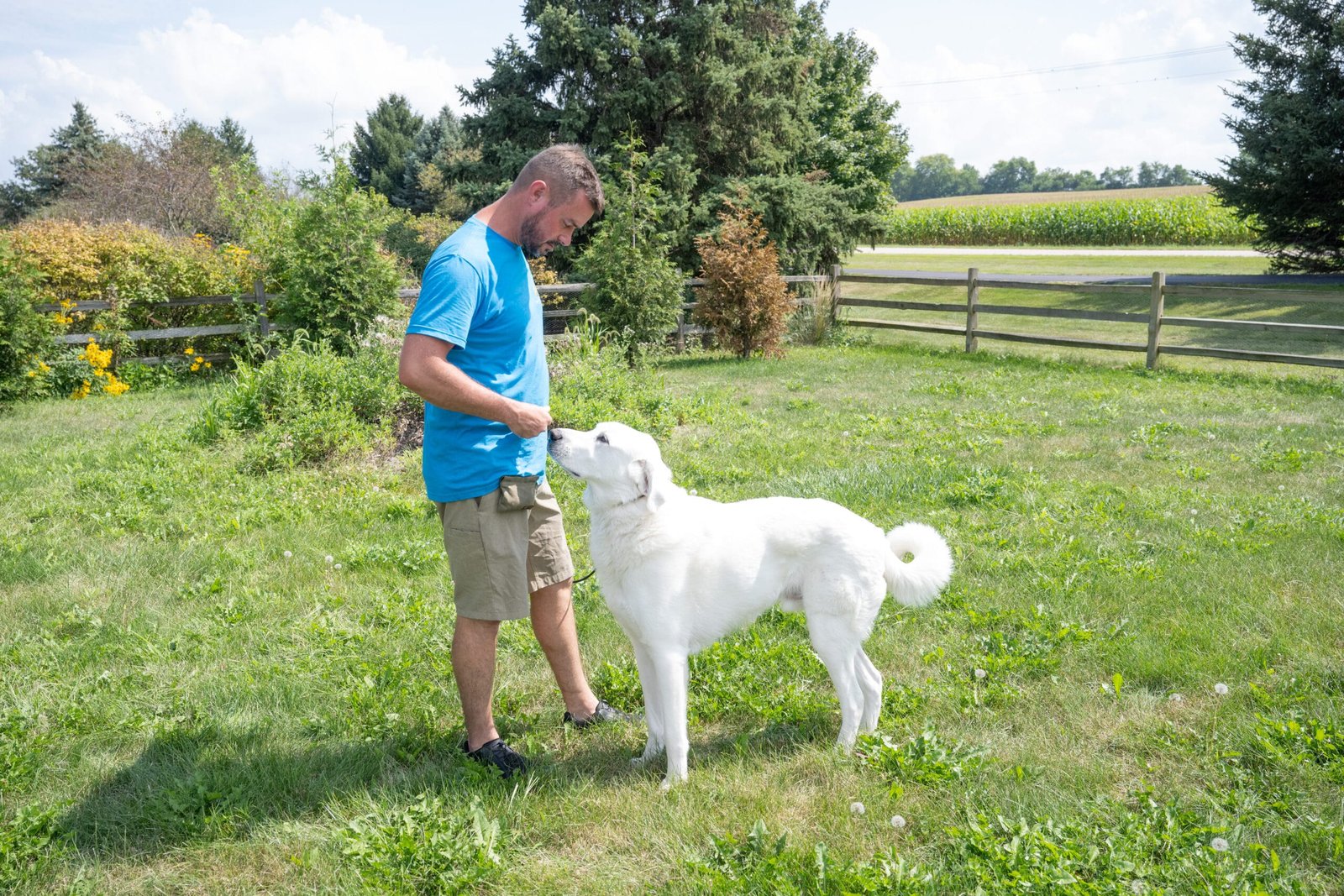
A trainer adjusts distance, lowers the difficulty, and tests different reward values. The dog may work for ordinary food in easy settings and need higher-value food around greater distractions. If the dog refuses food it normally loves, the trainer treats that as information about stress or arousal rather than stubbornness. Health, appetite, and feeding schedule are also considered.
Food motivation is used side by side with reinforcement, threshold, arousal, timing, and environmental rewards. Reinforcement depends on whether the food is valuable in that moment. Threshold and arousal influence whether the dog can eat and learn. Timing determines which behavior the food strengthens. Environmental rewards may compete with food, especially when the dog wants to sniff, move, greet, or chase.
A trainer uses food as a teaching tool, not as proof of obedience. Food can create clear repetitions, support positive associations, and make difficult learning easier. As behavior becomes reliable, rewards may become less frequent or more varied. The goal is not to remove motivation. It is to understand what the dog values and use that information responsibly.
Related Psychology
- Toy MotivationThe degree to which play or access to a toy functions as a valuable outcome.
- Social MotivationThe value a dog places on attention, touch, play, proximity, or interaction with people or other dogs.
- ExcitementA heightened emotional state associated with anticipation, novelty, social interaction, movement, or reward.
- Environmental RewardsNaturally valuable opportunities in the environment, including sniffing, exploring, greeting, movement, and gaining distance.
Related Dog Behavior
- JumpingPlacing the front paws or body onto a person, object, door, or surface, often during greetings or excitement.
- Demand BarkingBarking that has learned to produce attention, food, movement, play, access, or another desired outcome.
- Play BowA lowered front end with the rear raised, commonly used to invite or maintain play.
- ChasingRapid pursuit of people, animals, vehicles, bicycles, toys, or moving objects.
- Attention-Seeking BehaviorBehavior used to gain interaction, including pawing, nudging, barking, jumping, stealing objects, or interrupting people.
Related Dog Training
- Reward PlacementReward placement is the deliberate location where reinforcement is delivered.
- EngagementEngagement is the dog's willingness to notice, connect with, and participate with the handler.
- RecallRecall teaches the dog to turn away from the environment, travel to the handler, and come all the way within reach.
- Marker TrainingMarker training uses a consistent word, click, or sound to identify the exact moment the dog performs the desired behavior.
- Puppy SocializationPuppy socialization is the process of creating safe, positive exposure to people, animals, surfaces, sounds, handling, environments, and everyday life during.