What Toy Motivation Means
The degree to which play or access to a toy functions as a valuable outcome.
How Toy Motivation Appears in Everyday Life
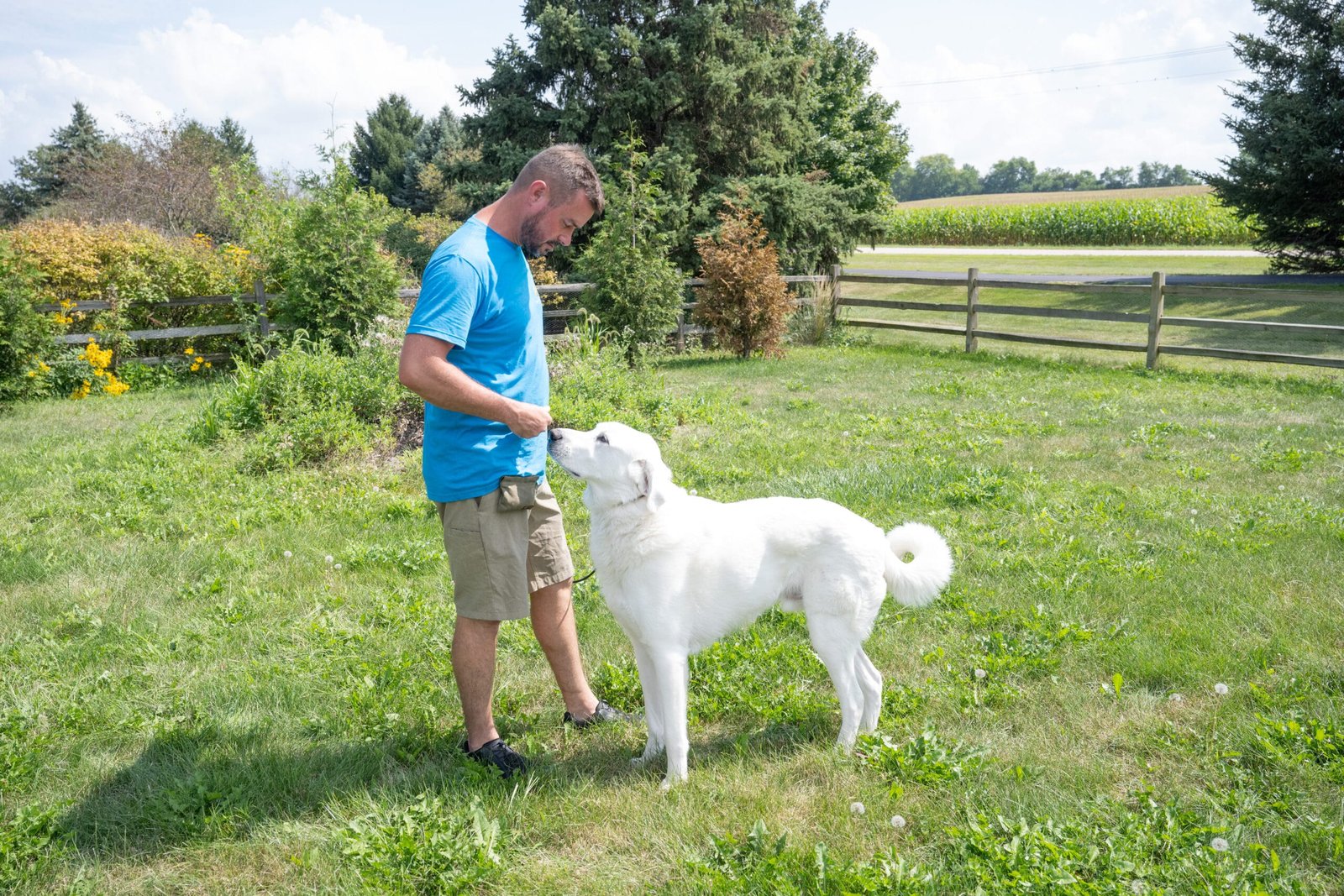
A dog shows little interest in food during outdoor training but becomes highly engaged when the trainer produces a tug toy. The trainer uses a short game after successful recalls, then pauses the play and resets for another repetition. The dog begins returning faster because recall predicts access to a powerful reward.
A trainer considers both the benefit and the arousal created by toy play. Tug or chase may increase enthusiasm, speed, and focus, but it can also push some dogs toward overarousal. The trainer controls the length of the game, teaches clear start and finish cues, and watches whether the dog can release the toy, reorient, and recover before the next task.
Toy motivation is used side by side with reinforcement, arousal, overarousal, timing, and Premack Principle. Reinforcement explains why play strengthens the preceding behavior. Arousal and overarousal help the trainer keep the game productive. Timing connects the toy to the correct response. The Premack Principle uses a highly desired game to reinforce a less exciting behavior.
A trainer does not assume every dog should value toys. Some dogs prefer food, movement, sniffing, or social contact. For dogs that enjoy play, toy rewards can create strong engagement and reduce dependence on food. The trainer uses the reward that fits the dog while keeping the emotional state appropriate for the lesson.
Related Psychology
- Food MotivationThe degree to which food functions as a valuable outcome for an individual dog in a specific context.
- Social MotivationThe value a dog places on attention, touch, play, proximity, or interaction with people or other dogs.
- ExcitementA heightened emotional state associated with anticipation, novelty, social interaction, movement, or reward.
- Environmental RewardsNaturally valuable opportunities in the environment, including sniffing, exploring, greeting, movement, and gaining distance.
Related Dog Behavior
- JumpingPlacing the front paws or body onto a person, object, door, or surface, often during greetings or excitement.
- Demand BarkingBarking that has learned to produce attention, food, movement, play, access, or another desired outcome.
- Play BowA lowered front end with the rear raised, commonly used to invite or maintain play.
- ChasingRapid pursuit of people, animals, vehicles, bicycles, toys, or moving objects.
- Attention-Seeking BehaviorBehavior used to gain interaction, including pawing, nudging, barking, jumping, stealing objects, or interrupting people.
Related Dog Training
- Reward PlacementReward placement is the deliberate location where reinforcement is delivered.
- EngagementEngagement is the dog's willingness to notice, connect with, and participate with the handler.
- RecallRecall teaches the dog to turn away from the environment, travel to the handler, and come all the way within reach.
- Marker TrainingMarker training uses a consistent word, click, or sound to identify the exact moment the dog performs the desired behavior.
- Puppy SocializationPuppy socialization is the process of creating safe, positive exposure to people, animals, surfaces, sounds, handling, environments, and everyday life during.