What Timing Means
How closely feedback or consequences follow a behavior, affecting what the dog connects to the outcome.
How Timing Appears in Everyday Life
A dog is learning not to jump on guests. The dog places all four paws on the floor for one second, but the owner waits until the dog jumps again before offering food. The reward may accidentally strengthen the jump because that was the behavior occurring closest to delivery.
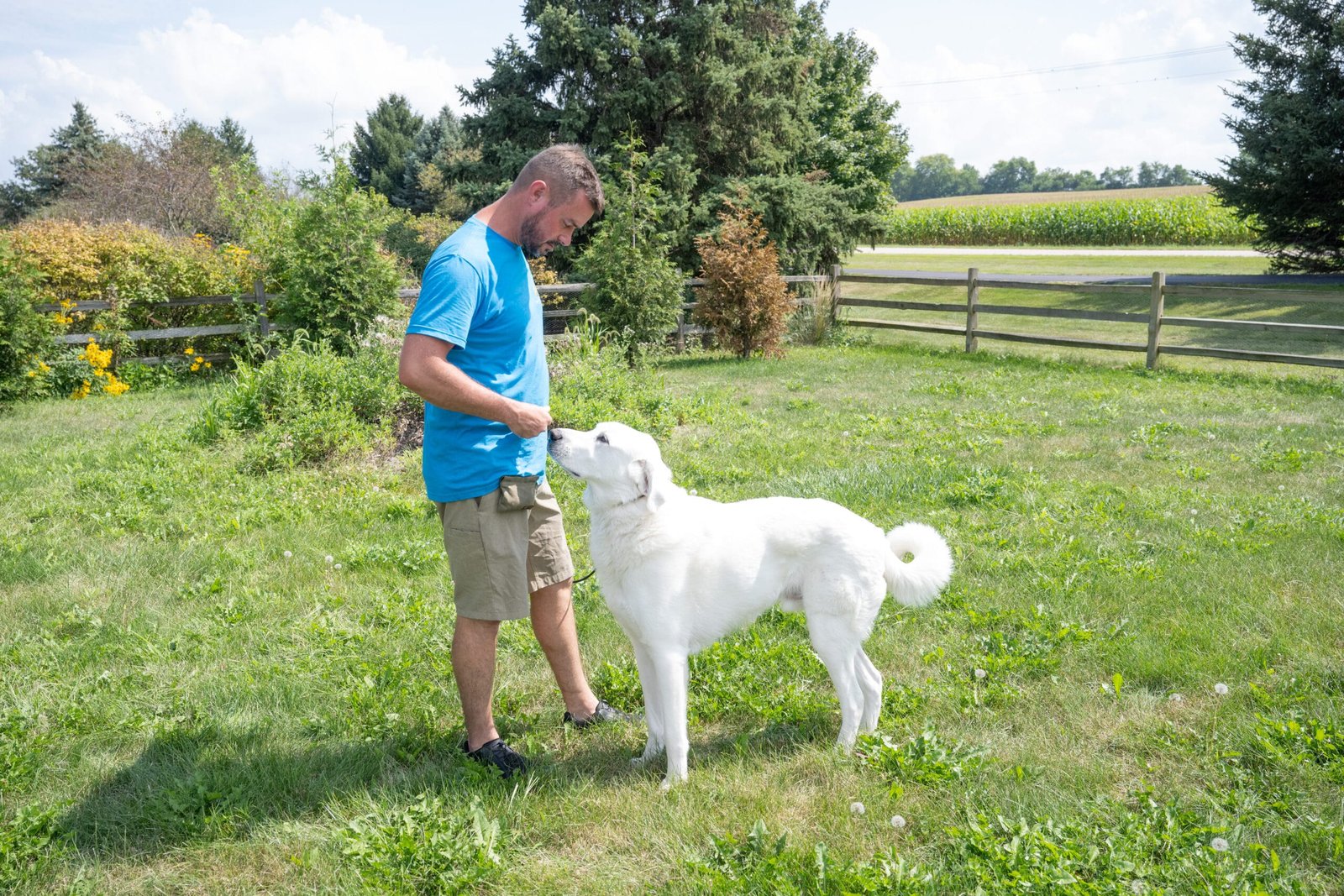
A trainer slows the exercise and marks the first instant the dog's paws touch the floor. Reinforcement follows immediately. The trainer may use a leash, distance, or a calmer guest to make the correct moment easier to see. Once the owner learns to recognize and reward the earliest successful choice, progress becomes faster and less confusing.
Timing is used side by side with marker training, reinforcement, capturing, shaping, and consistency. Marker training helps identify a brief moment even when the reward arrives slightly later. Reinforcement changes future behavior only when the dog can connect it to the response. Capturing depends on noticing naturally offered behavior before it disappears. Shaping requires precise timing as the trainer rewards small changes. Consistency preserves the same relationship across repetitions.
A trainer also considers timing before the behavior. Waiting until a dog is already lunging, barking, or overaroused leaves fewer training options. Good timing includes acting early, adjusting distance, and reinforcing the dog while thoughtful choices are still possible. It is not about reacting faster after the mistake. It is about setting up and recognizing the moment when the dog can succeed.
Related Psychology
- ReinforcementAny consequence that increases the likelihood a behavior will happen again.
- Positive ReinforcementAdding something the dog values after a behavior so that behavior becomes more likely in the future.
- Operant ConditioningLearning in which consequences influence whether a behavior becomes more or less likely.
- ExtinctionA reduction in behavior when the consequence that previously maintained it no longer occurs.
- Reinforcement HistoryThe accumulated pattern of outcomes that has strengthened or weakened a behavior over time.
Related Dog Behavior
- Demand BarkingBarking that has learned to produce attention, food, movement, play, access, or another desired outcome.
- JumpingPlacing the front paws or body onto a person, object, door, or surface, often during greetings or excitement.
- Leash PullingForward, sideways, or backward pressure that keeps the leash tight or moves the handler.
- Counter SurfingSearching counters, tables, sinks, or other surfaces for food or interesting objects.
- Attention-Seeking BehaviorBehavior used to gain interaction, including pawing, nudging, barking, jumping, stealing objects, or interrupting people.
Related Dog Training
- Marker TrainingMarker training uses a consistent word, click, or sound to identify the exact moment the dog performs the desired behavior.
- Reward PlacementReward placement is the deliberate location where reinforcement is delivered.
- ShapingShaping teaches a behavior by reinforcing small steps that gradually move toward the finished skill.
- CapturingCapturing means reinforcing a behavior the dog offers naturally without being prompted.
- Alternative Behavior TrainingAlternative behavior training teaches the dog a specific, realistic response that can replace an unwanted behavior.