What Consistency Means
The reliability of cues, boundaries, consequences, and reinforcement across repetitions and people.
How Consistency Appears in Everyday Life
A family wants the dog to stop jumping on people. One person turns away, another pets the dog, and a third pushes the dog down while talking excitedly. The dog receives different outcomes for the same behavior, so jumping remains worth trying.
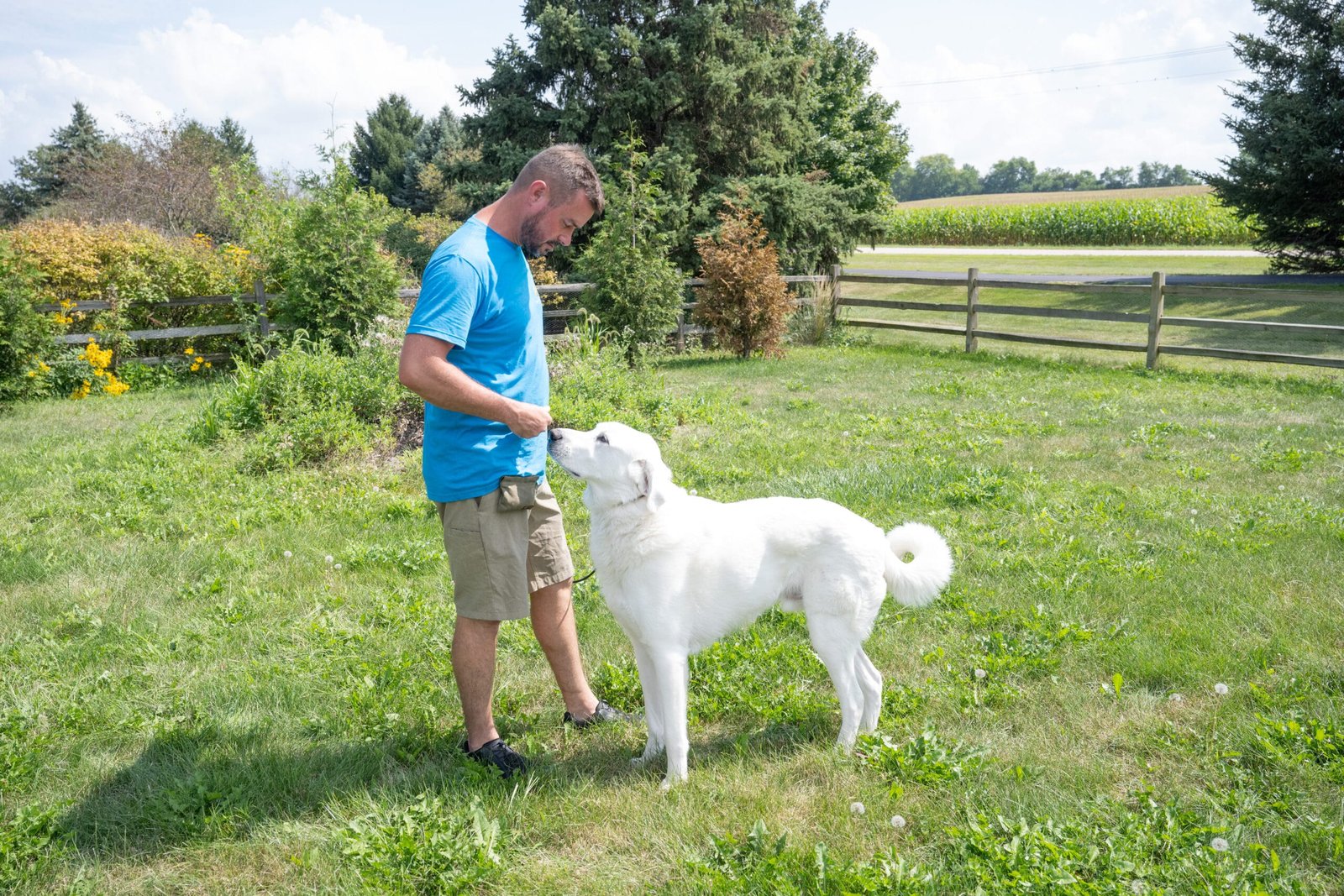
A trainer helps the family create one simple greeting plan. Everyone withholds attention during jumping and reinforces four paws on the floor or a sit. A leash or gate prevents the dog from repeatedly reaching guests while excited. The rules are explained in practical terms so every family member can follow them.
Consistency is used side by side with predictability, reinforcement, timing, and trust. Predictability develops when the dog can anticipate what a behavior will produce. Reinforcement strengthens the agreed alternative. Timing helps each person respond to the same moment. Trust grows when communication is fair and understandable instead of changing unexpectedly.
A trainer does not expect every household member to train with identical skill. The plan must be realistic enough to use every day. Consistency also applies to cues. Repeating “sit, sit, sit” teaches the dog that the first cue may not matter. Using different words for the same behavior can create confusion. Clear, repeatable patterns help the dog learn faster and reduce frustration for everyone involved.
Related Psychology
- ReinforcementAny consequence that increases the likelihood a behavior will happen again.
- Positive ReinforcementAdding something the dog values after a behavior so that behavior becomes more likely in the future.
- Operant ConditioningLearning in which consequences influence whether a behavior becomes more or less likely.
- ExtinctionA reduction in behavior when the consequence that previously maintained it no longer occurs.
- Reinforcement HistoryThe accumulated pattern of outcomes that has strengthened or weakened a behavior over time.
Related Dog Behavior
- Demand BarkingBarking that has learned to produce attention, food, movement, play, access, or another desired outcome.
- JumpingPlacing the front paws or body onto a person, object, door, or surface, often during greetings or excitement.
- Leash PullingForward, sideways, or backward pressure that keeps the leash tight or moves the handler.
- Counter SurfingSearching counters, tables, sinks, or other surfaces for food or interesting objects.
- Attention-Seeking BehaviorBehavior used to gain interaction, including pawing, nudging, barking, jumping, stealing objects, or interrupting people.
Related Dog Training
- Marker TrainingMarker training uses a consistent word, click, or sound to identify the exact moment the dog performs the desired behavior.
- Reward PlacementReward placement is the deliberate location where reinforcement is delivered.
- ShapingShaping teaches a behavior by reinforcing small steps that gradually move toward the finished skill.
- CapturingCapturing means reinforcing a behavior the dog offers naturally without being prompted.
- Alternative Behavior TrainingAlternative behavior training teaches the dog a specific, realistic response that can replace an unwanted behavior.