What Predictability Means
The degree to which a dog can anticipate what happens next based on stable patterns and signals.
How Predictability Appears in Everyday Life
A dog becomes restless every evening because family activity changes without warning. Sometimes the dog is played with, sometimes corrected for seeking attention, and sometimes placed in a crate after becoming disruptive. The dog has no clear pattern for what evening behavior should look like.
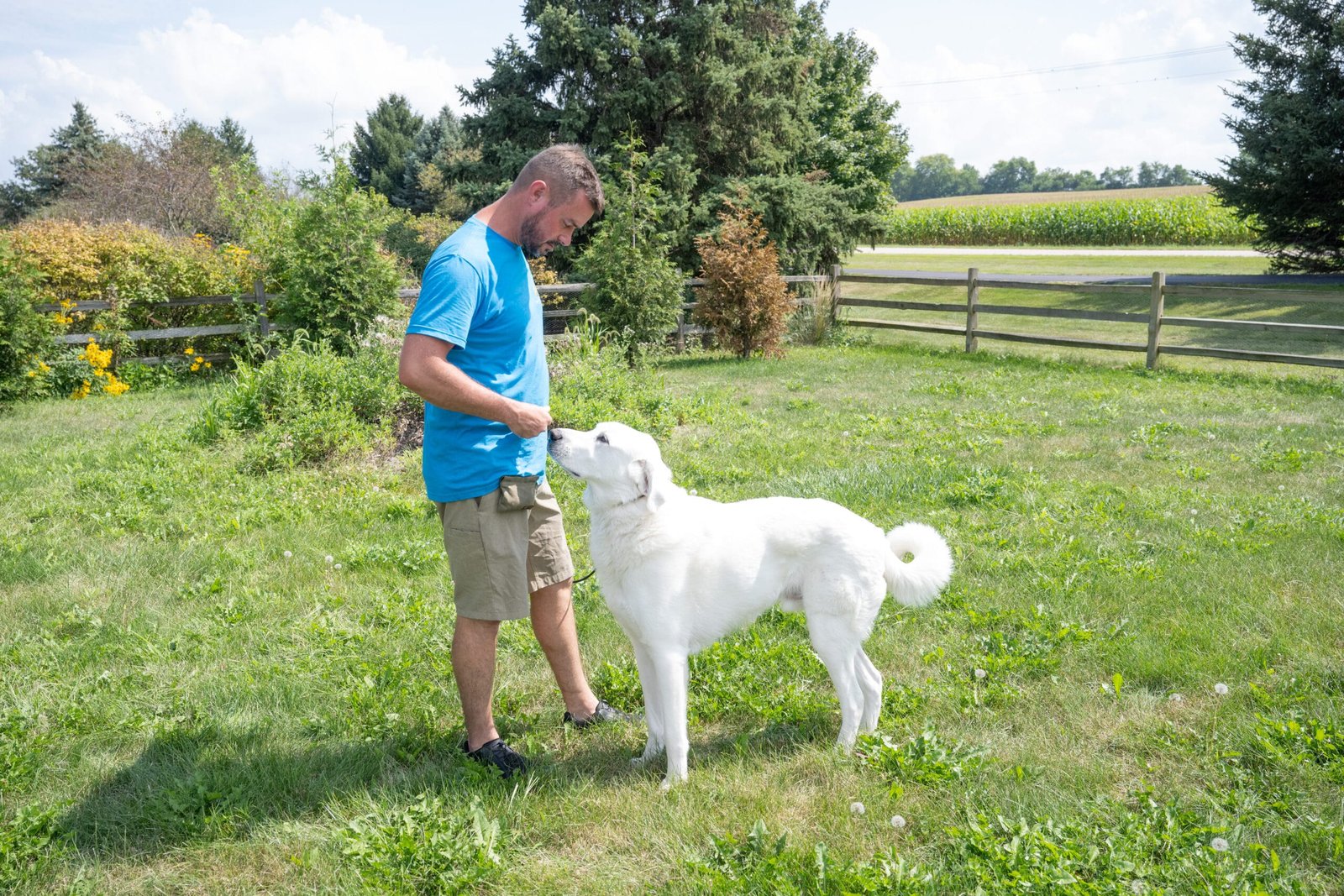
A trainer creates a predictable routine. The dog receives a walk or enrichment activity, then practices settling in a designated area while the family eats or relaxes. The same cue, location, and general sequence are used each night. Reinforcement is provided for calm behavior before the dog becomes demanding.
Predictability is used side by side with consistency, trust, anxiety, association, and emotional contagion. Consistency creates the repeated pattern. Trust develops because the dog can rely on the handler's responses. Anxiety may decrease when uncertainty is reduced. Association gives familiar cues and routines emotional meaning. Emotional contagion matters because calm, organized handling often helps the dog feel safer.
A trainer uses predictability without making the dog dependent on a perfectly controlled schedule. Once the routine is understood, small variations are introduced gradually so the dog can remain flexible. The goal is not to make every day identical. It is to provide enough structure that the dog understands how to succeed and is not constantly guessing what people expect.
Related Psychology
- Classical ConditioningLearning through association, when one event begins to predict another and changes the dog’s emotional response.
- AssociationA learned connection between events, cues, places, actions, emotions, or outcomes.
- HabituationA decreased response after repeated exposure to a stimulus that proves unimportant or harmless.
- SensitizationAn increased response after repeated or intense exposure, especially when the experience is stressful.
- GeneralizationApplying learning across different places, people, positions, distances, and situations.
Related Dog Behavior
- Fearful BehaviorBehavior that communicates concern about a person, animal, object, sound, place, or interaction.
- ReactivityAn intense response to a trigger that may include barking, lunging, pulling, freezing, spinning, or difficulty disengaging.
- AvoidanceBehavior used to increase distance from, delay, or escape a person, place, object, interaction, or task.
- FixationSustained visual or physical focus that makes it difficult for a dog to disengage and respond to the handler.
- Slow RecoveryA prolonged return to normal breathing, movement, attention, and behavior after a stressful or exciting event.
Related Dog Training
- DesensitizationDesensitization gradually exposes the dog to a trigger at an intensity low enough to remain manageable.
- CounterconditioningCounterconditioning changes the dog's emotional expectation by pairing a trigger with something the dog values.
- ProofingProofing strengthens a known behavior around distractions, duration, distance, and real-life difficulty.
- Distraction TrainingTeaching a dog to perform known behaviors around gradually increasing distractions.
- Pattern TrainingPattern training uses a simple, repeatable sequence of movement and reinforcement to create predictability.