What Sensitization Means
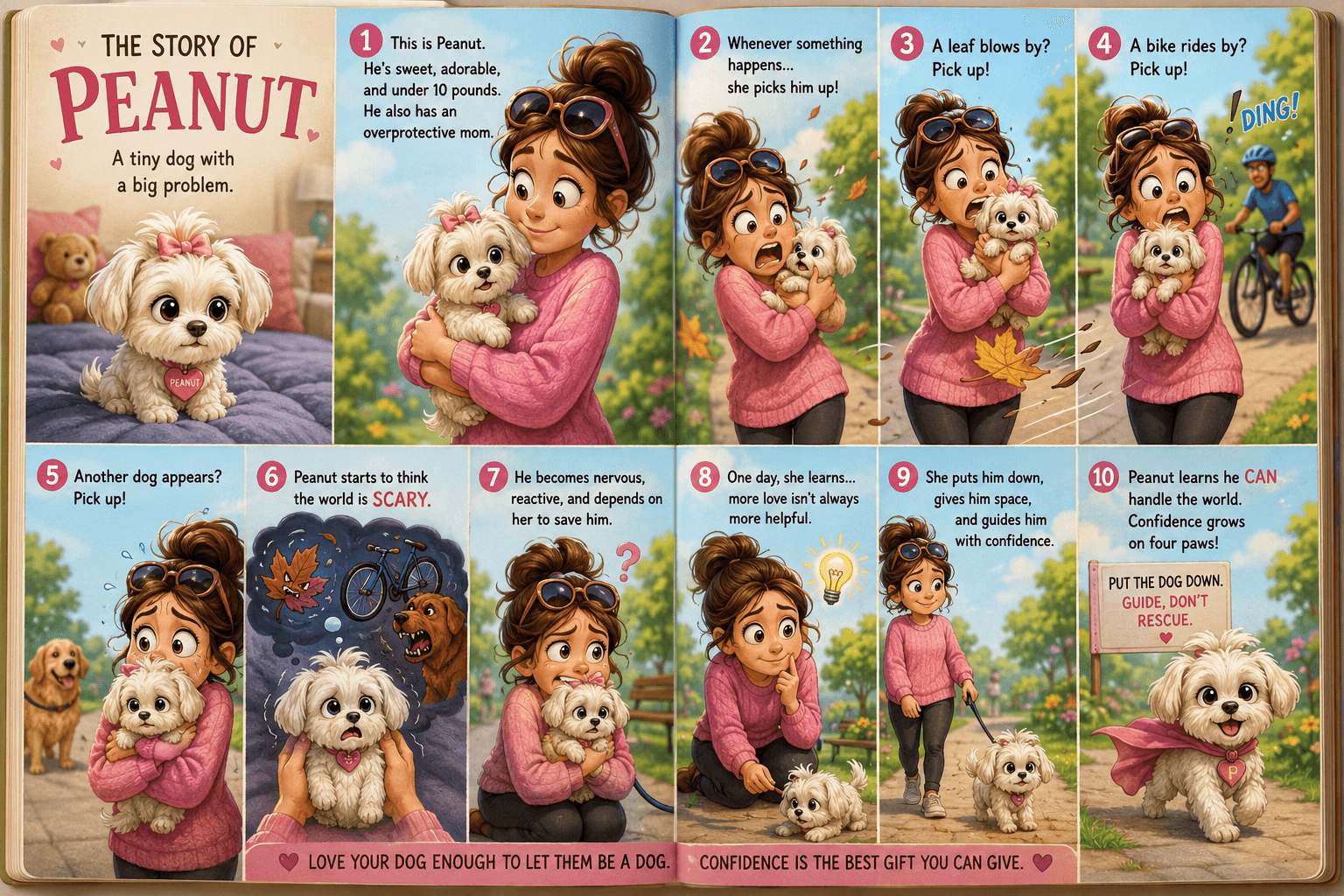
An increased response after repeated or intense exposure, especially when the experience is stressful.
How Sensitization Appears in Everyday Life
A dog barks at another dog behind a fence every morning. The owner assumes the dog will eventually get used to it, but each encounter involves intense staring, pulling, barking, and frustration. After several weeks, the dog begins reacting from farther away and responds to dogs in other locations.
A trainer recognizes that repetition has created sensitization, not habituation. The dog is repeatedly practicing a high-arousal emotional response. Training begins by preventing close, uncontrolled exposure and creating enough distance for the dog to remain below threshold. Calm observation, disengagement, and recovery are reinforced before intensity rises.
Sensitization is used side by side with habituation, threshold, trigger stacking, association, and arousal. Habituation would produce a weaker response, while sensitization produces a stronger one. Threshold may become easier to cross after repeated difficult experiences. Trigger stacking can make each exposure more intense. Association may spread the emotional response to similar dogs, places, or sounds. Arousal helps the trainer measure whether exposure is productive or overwhelming.
A trainer uses sensitization to explain why “more exposure” is not always the answer. Exposure must be controlled and emotionally manageable. Repeatedly placing the dog in situations it cannot handle may make the problem broader and more persistent. The goal is not maximum exposure. It is successful exposure that changes the dog's experience.
Related Psychology
- Classical ConditioningLearning through association, when one event begins to predict another and changes the dog’s emotional response.
- AssociationA learned connection between events, cues, places, actions, emotions, or outcomes.
- HabituationA decreased response after repeated exposure to a stimulus that proves unimportant or harmless.
- GeneralizationApplying learning across different places, people, positions, distances, and situations.
- DiscriminationLearning to respond differently to similar cues, contexts, objects, or situations.
Related Dog Behavior
- Fearful BehaviorBehavior that communicates concern about a person, animal, object, sound, place, or interaction.
- ReactivityAn intense response to a trigger that may include barking, lunging, pulling, freezing, spinning, or difficulty disengaging.
- AvoidanceBehavior used to increase distance from, delay, or escape a person, place, object, interaction, or task.
- FixationSustained visual or physical focus that makes it difficult for a dog to disengage and respond to the handler.
- Slow RecoveryA prolonged return to normal breathing, movement, attention, and behavior after a stressful or exciting event.
Related Dog Training
- DesensitizationDesensitization gradually exposes the dog to a trigger at an intensity low enough to remain manageable.
- CounterconditioningCounterconditioning changes the dog's emotional expectation by pairing a trigger with something the dog values.
- ProofingProofing strengthens a known behavior around distractions, duration, distance, and real-life difficulty.
- Distraction TrainingTeaching a dog to perform known behaviors around gradually increasing distractions.
- Pattern TrainingPattern training uses a simple, repeatable sequence of movement and reinforcement to create predictability.