What Trust Means
Confidence that another individual will behave in a predictable, safe, and understandable way.
How Trust Appears in Everyday Life
A dog is nervous about having its paws handled. The owner usually grabs the paw and holds it until the dog stops struggling. The dog becomes more avoidant each time because handling predicts loss of control and discomfort.
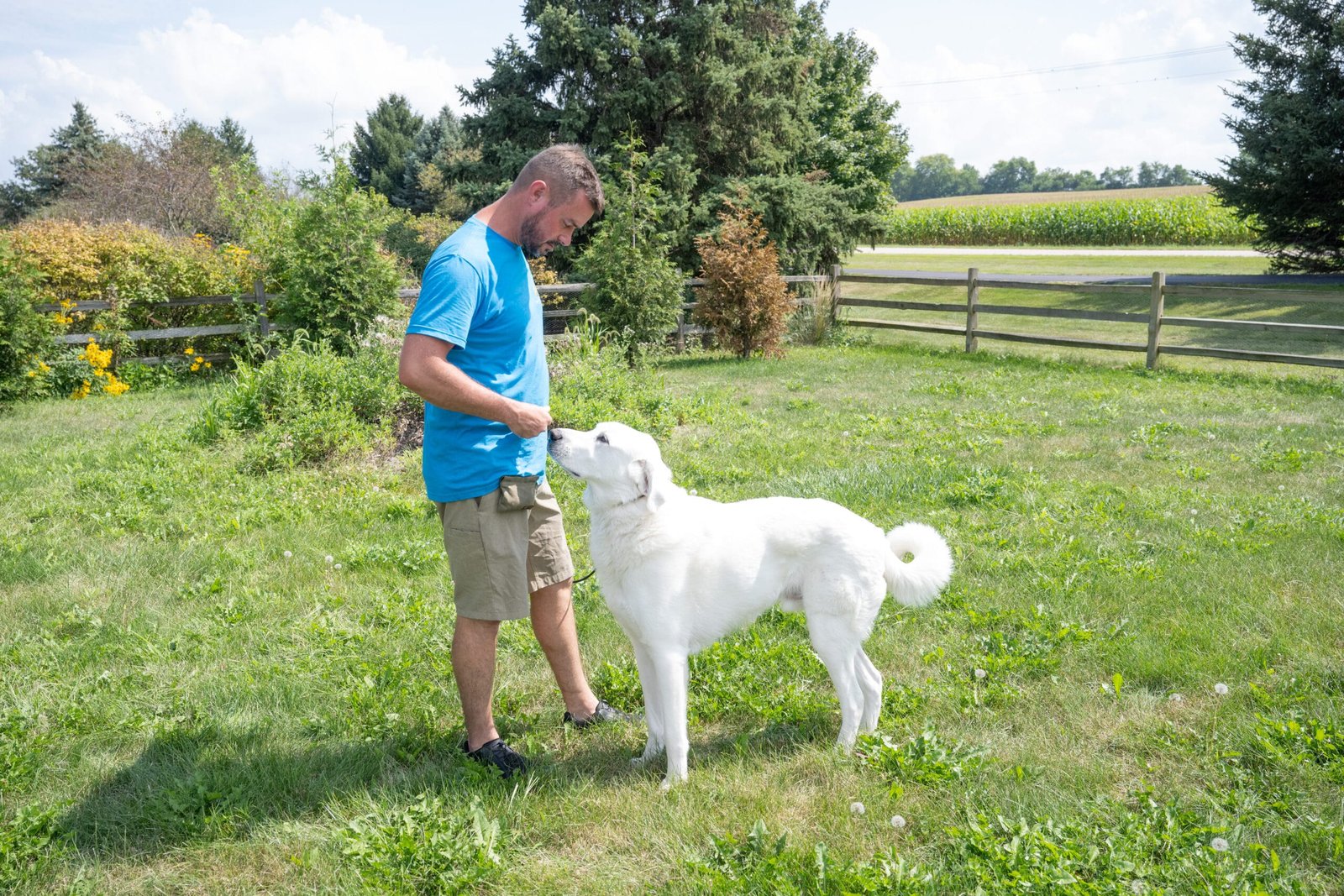
A trainer changes the pattern. The dog is allowed to approach voluntarily. A brief touch is followed by reinforcement, then the hand moves away. The duration increases only while the dog remains relaxed. If the dog pulls away, the trainer reduces the difficulty instead of forcing completion. Over time, the dog learns that the handler notices communication and that participation produces safe outcomes.
Trust is used side by side with predictability, consistency, attachment, confidence, and threshold. Predictability helps the dog understand what will happen. Consistency makes the trainer's responses dependable. Attachment describes the emotional bond, while trust describes the expectation of safety within interactions. Confidence grows through successful experiences. Threshold prevents the trainer from pushing the dog beyond its coping ability.
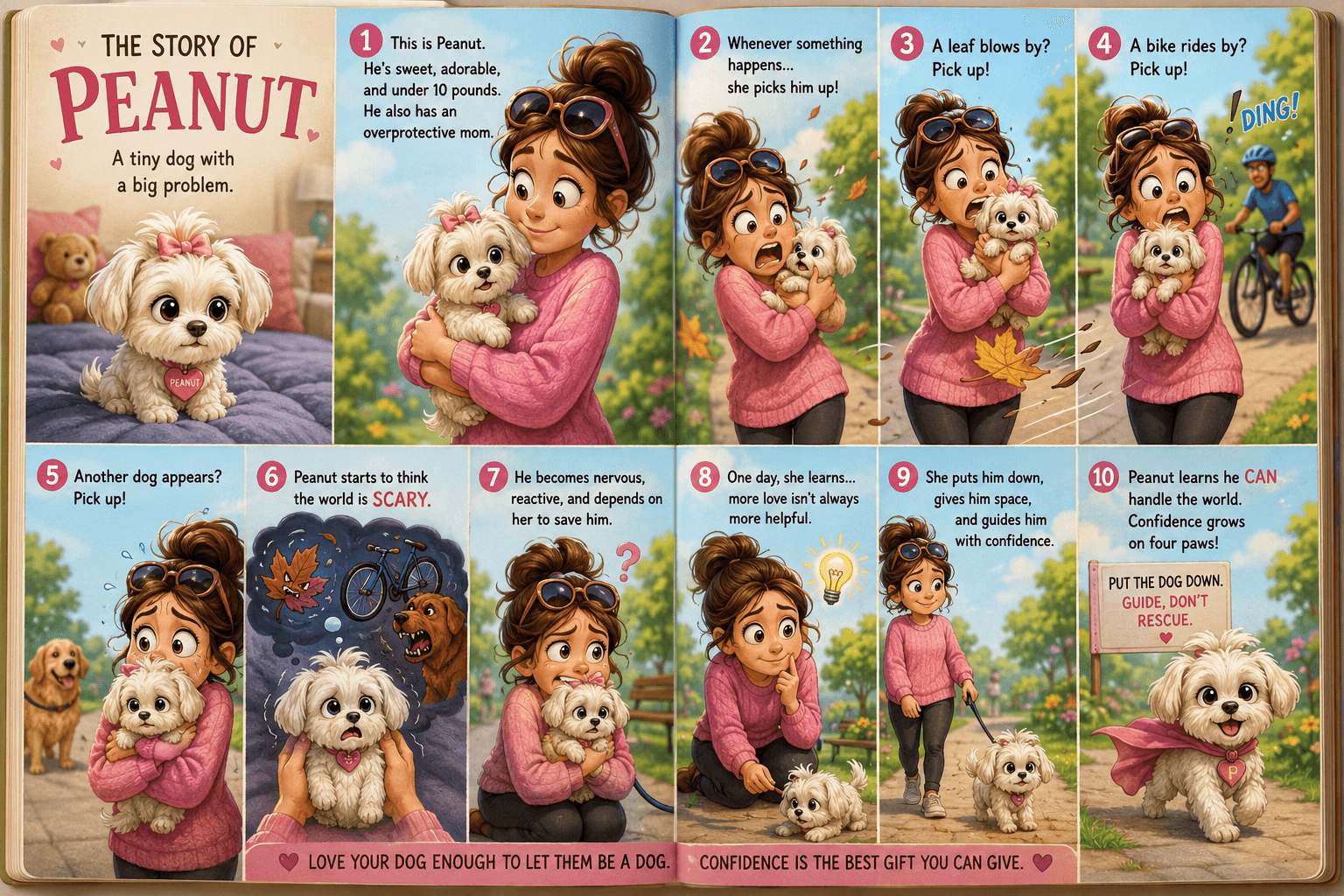
A trainer builds trust through everyday handling, walks, boundaries, reinforcement, and follow-through. Trust does not mean the dog is never asked to do difficult things. It means challenges are introduced clearly and fairly. A dog that trusts the handler is more likely to stay engaged, recover from uncertainty, and accept guidance when the environment becomes difficult.
Related Psychology
- AttachmentAn emotional bond that influences proximity seeking, security, exploration, and responses to separation.
- Social LearningLearning by observing or interacting with people, dogs, or other animals.
- Emotional ContagionThe transfer or alignment of emotional states between individuals through social cues and interaction.
- Choice and AgencyThe dog’s ability to make meaningful choices and influence what happens during an interaction.
- ConfidenceA dog’s ability to approach situations, make decisions, and recover from challenges without becoming overwhelmed.
Related Dog Behavior
- AvoidanceBehavior used to increase distance from, delay, or escape a person, place, object, interaction, or task.
- Separation DistressDistress that appears when a dog is left alone or separated from a particular person.
- Fearful BehaviorBehavior that communicates concern about a person, animal, object, sound, place, or interaction.
- Appeasement BehaviorBehavior intended to reduce social tension, avoid conflict, or communicate non-threat.
- HidingMoving behind furniture, people, walls, crates, or other cover to reduce exposure to something concerning.
Related Dog Training
- Cooperative CareCooperative care teaches the dog to participate voluntarily in grooming, medical handling, and body care.
- Alone-Time TrainingAlone-time training teaches the dog to remain comfortable when separated from the owner for manageable periods.
- EngagementEngagement is the dog's willingness to notice, connect with, and participate with the handler.
- Puppy SocializationPuppy socialization is the process of creating safe, positive exposure to people, animals, surfaces, sounds, handling, environments, and everyday life during.
- Handling and GroomingHandling and grooming training prepares the dog for touch, brushing, bathing, nail care, ear care, and routine body inspection.