What Social Motivation Means
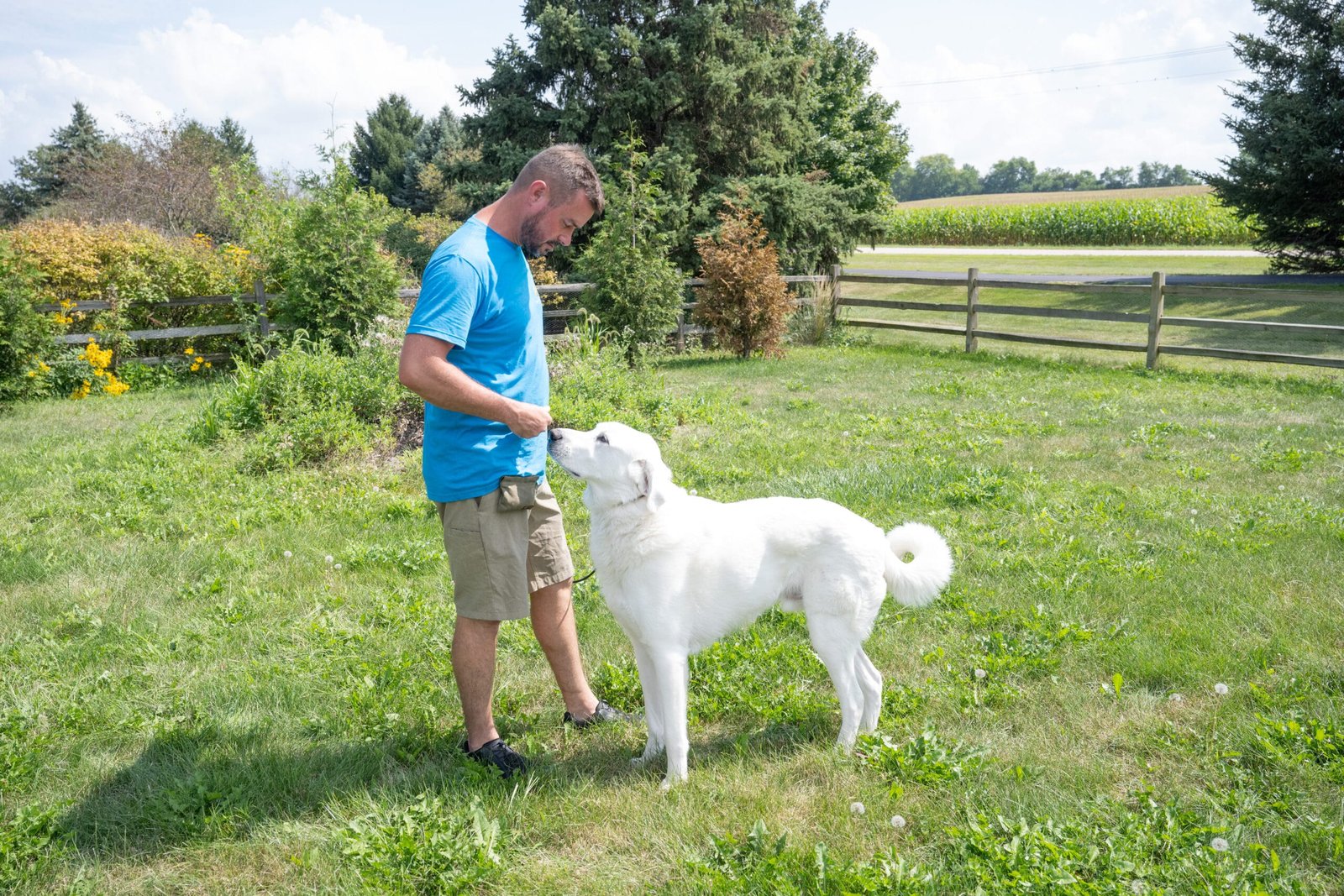
The value a dog places on attention, touch, play, proximity, or interaction with people or other dogs.
How Social Motivation Appears in Everyday Life
The value a dog places on attention, touch, play, proximity, or interaction with people or other dogs.
In everyday life, social motivation can be seen through changes in attention, emotion, movement, or the choices a dog repeats. A trainer looks at the full pattern rather than assuming one visible behavior has one simple cause. Context, health, learning history, environment, and the value of available outcomes all matter.
Trainers use this concept to decide what the dog is capable of learning in the moment and how to adjust difficulty, timing, reinforcement, distance, and repetition. The goal is to create conditions where the dog can process information and make useful choices instead of being pushed beyond its current capacity.
This concept should be considered alongside related psychology, observable behaviors, and practical training skills. It is an educational framework, not a diagnosis, and significant or sudden behavior changes should be discussed with a veterinarian or qualified behavior professional.
Related Psychology
- Food MotivationThe degree to which food functions as a valuable outcome for an individual dog in a specific context.
- Toy MotivationThe degree to which play or access to a toy functions as a valuable outcome.
- ExcitementA heightened emotional state associated with anticipation, novelty, social interaction, movement, or reward.
- Environmental RewardsNaturally valuable opportunities in the environment, including sniffing, exploring, greeting, movement, and gaining distance.
Related Dog Behavior
- JumpingPlacing the front paws or body onto a person, object, door, or surface, often during greetings or excitement.
- Demand BarkingBarking that has learned to produce attention, food, movement, play, access, or another desired outcome.
- Play BowA lowered front end with the rear raised, commonly used to invite or maintain play.
- ChasingRapid pursuit of people, animals, vehicles, bicycles, toys, or moving objects.
- Attention-Seeking BehaviorBehavior used to gain interaction, including pawing, nudging, barking, jumping, stealing objects, or interrupting people.
Related Dog Training
- Reward PlacementReward placement is the deliberate location where reinforcement is delivered.
- EngagementEngagement is the dog's willingness to notice, connect with, and participate with the handler.
- RecallRecall teaches the dog to turn away from the environment, travel to the handler, and come all the way within reach.
- Marker TrainingMarker training uses a consistent word, click, or sound to identify the exact moment the dog performs the desired behavior.
- Puppy SocializationPuppy socialization is the process of creating safe, positive exposure to people, animals, surfaces, sounds, handling, environments, and everyday life during.