What Duration Training Means
Building the amount of time a dog can maintain a behavior before reinforcement or release.
How To Teach Duration Training
Building the amount of time a dog can maintain a behavior before reinforcement or release.
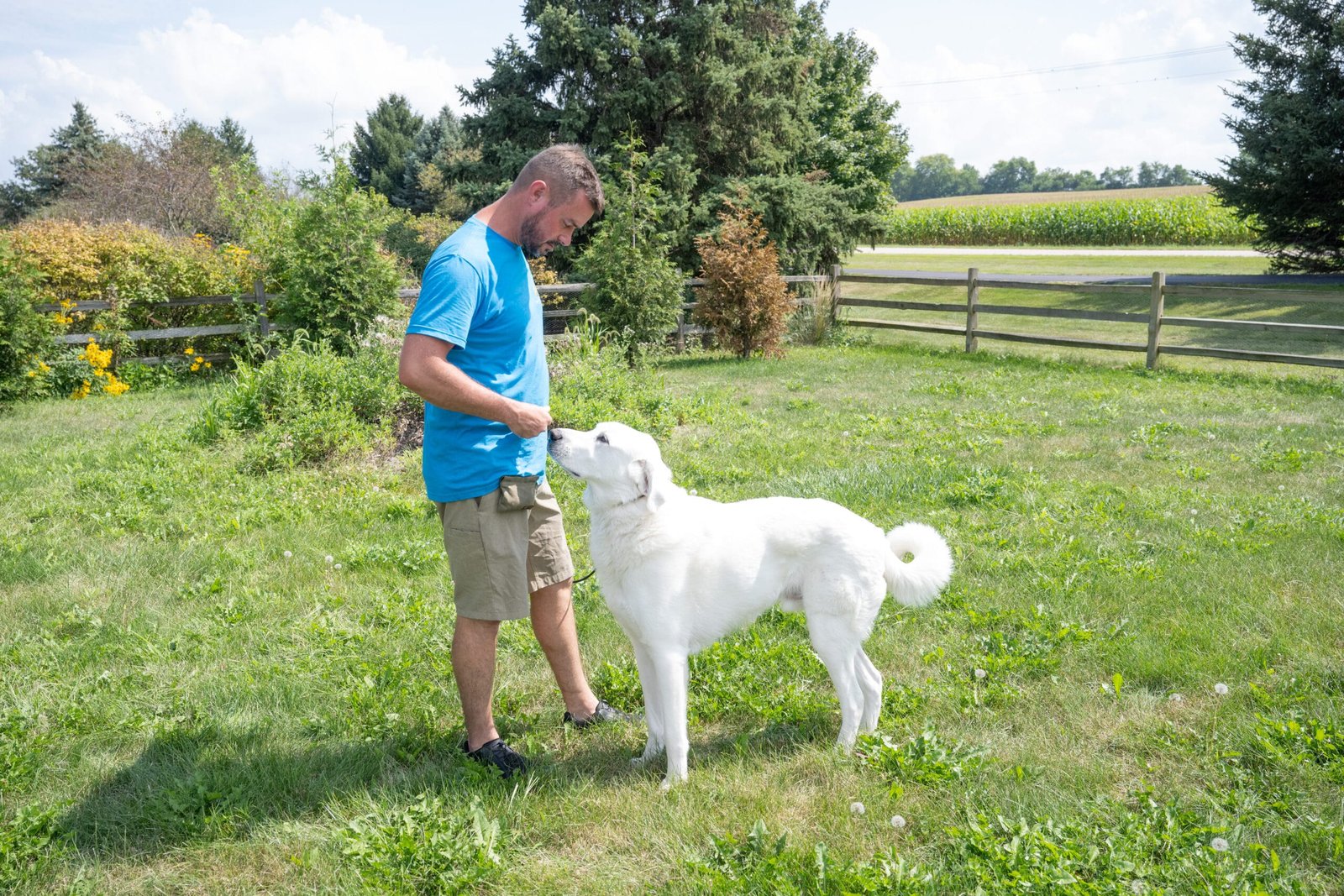
Begin in a quiet environment and decide exactly what success looks like. Use a clear cue or setup, mark the correct choice, and reinforce promptly. Keep the first repetitions easy enough that the dog can understand the pattern without repeated guessing or frustration.
Increase only one challenge at a time. Depending on the skill, that may mean adding seconds, steps, distance, movement, novelty, or distractions. If accuracy drops, reduce the challenge and rebuild from the last successful level. Training should create information, not simply test whether the dog can tolerate failure.
Use this skill in short sessions and then practice it in the situations where it will actually be needed. Reinforcement should remain meaningful, and the handler should watch the dog’s arousal, body language, and recovery. The goal is dependable understanding that can transfer into everyday life.
Related Training
- SitSit teaches the dog to place its rear on the ground and remain there until released or given another cue.
- DownDown teaches the dog to place its elbows and body on the ground until released or given another cue.
- StayStay teaches the dog to maintain a specific position until the handler returns or gives a release cue.
- WaitWait asks the dog to pause temporarily until given permission to continue.
- PlacePlace teaches the dog to move onto a defined surface and remain there until released.
Related Dog Behavior
- Door RushingMoving quickly through an opening before being released or before the handler can safely control the transition.
- JumpingPlacing the front paws or body onto a person, object, door, or surface, often during greetings or excitement.
- Demand BarkingBarking that has learned to produce attention, food, movement, play, access, or another desired outcome.
Related Psychology
- ReinforcementAny consequence that increases the likelihood a behavior will happen again.
- Inhibitory ControlThe ability to pause or suppress an immediate response in favor of another action.
- Frustration ToleranceThe ability to remain organized when access, movement, attention, or reinforcement is delayed or unavailable.
- ConsistencyThe reliability of cues, boundaries, consequences, and reinforcement across repetitions and people.
- GeneralizationApplying learning across different places, people, positions, distances, and situations.