What Wait Means
Wait asks the dog to pause temporarily until given permission to continue. Unlike stay, the dog may not need to hold one exact body position. The important part is delaying access and remaining under control.
How To Teach Wait
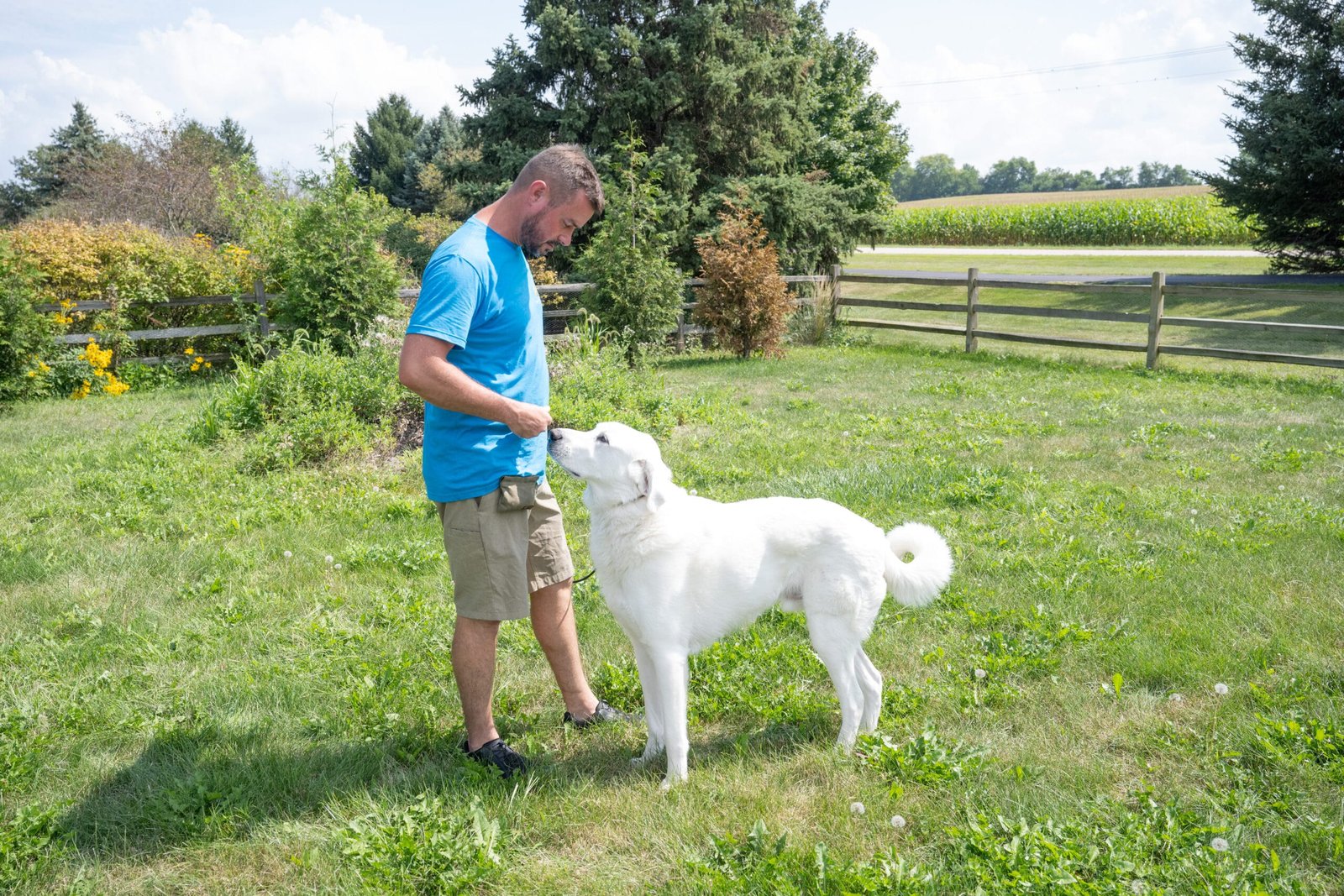
Start at a doorway or food bowl with the dog on leash if needed. Move toward the resource. If the dog rushes forward, pause access without scolding. The moment the dog stops pushing, softens the leash, or looks back, mark and continue. Release the dog before frustration builds.
Keep the first waits very short. One second of control is enough to establish the pattern. Gradually increase the pause and vary the dog's position. The dog may sit, stand, or remain beside you as long as it does not move through the boundary before permission.
Use one clear release word, such as “okay” or “free.” Do not accidentally release with body movement, reaching for the handle, or lowering the bowl. Practice those movements separately so the dog learns to wait for the verbal release.
Apply wait to doors, vehicles, food, greetings, narrow spaces, and crossing streets. The reward is often access to what the dog wants, which makes the Premack Principle useful. Calm behavior opens the door, starts the walk, or allows the greeting.
Wait should not become a prolonged test of frustration. It is a practical pause that creates safety and communication. If the dog cannot succeed, reduce excitement, increase distance, or use management until the training is clear.
Relatable Child Psychology Analogy
Think about a child pausing at the curb until an adult says it is safe to cross. The child is not being asked to remain there indefinitely. Wait creates a temporary boundary until the situation changes and permission is given. Dogs can learn the same practical pattern at doors, food bowls, vehicles, and sidewalks. The value comes from a clear pause followed by a consistent release, not from making the learner guess how long the restriction lasts.
Related Training
- SitSit teaches the dog to place its rear on the ground and remain there until released or given another cue.
- DownDown teaches the dog to place its elbows and body on the ground until released or given another cue.
- StayStay teaches the dog to maintain a specific position until the handler returns or gives a release cue.
- PlacePlace teaches the dog to move onto a defined surface and remain there until released.
- Release CueA release cue tells the dog that a position, boundary, or waiting behavior has ended.
Related Dog Behavior
- Door RushingMoving quickly through an opening before being released or before the handler can safely control the transition.
- JumpingPlacing the front paws or body onto a person, object, door, or surface, often during greetings or excitement.
- Demand BarkingBarking that has learned to produce attention, food, movement, play, access, or another desired outcome.
Related Psychology
- ReinforcementAny consequence that increases the likelihood a behavior will happen again.
- Inhibitory ControlThe ability to pause or suppress an immediate response in favor of another action.
- Frustration ToleranceThe ability to remain organized when access, movement, attention, or reinforcement is delayed or unavailable.
- ConsistencyThe reliability of cues, boundaries, consequences, and reinforcement across repetitions and people.
- GeneralizationApplying learning across different places, people, positions, distances, and situations.