Body stiffness is a visible increase in muscle tension that may signal uncertainty, high focus, discomfort, conflict, or preparation for action.
Common Signs
- Rigid Posture
- Closed Mouth
- Fixed Stare
- Frozen Movement
- Weight Shift Forward
- Tail Changes
Important Distinction
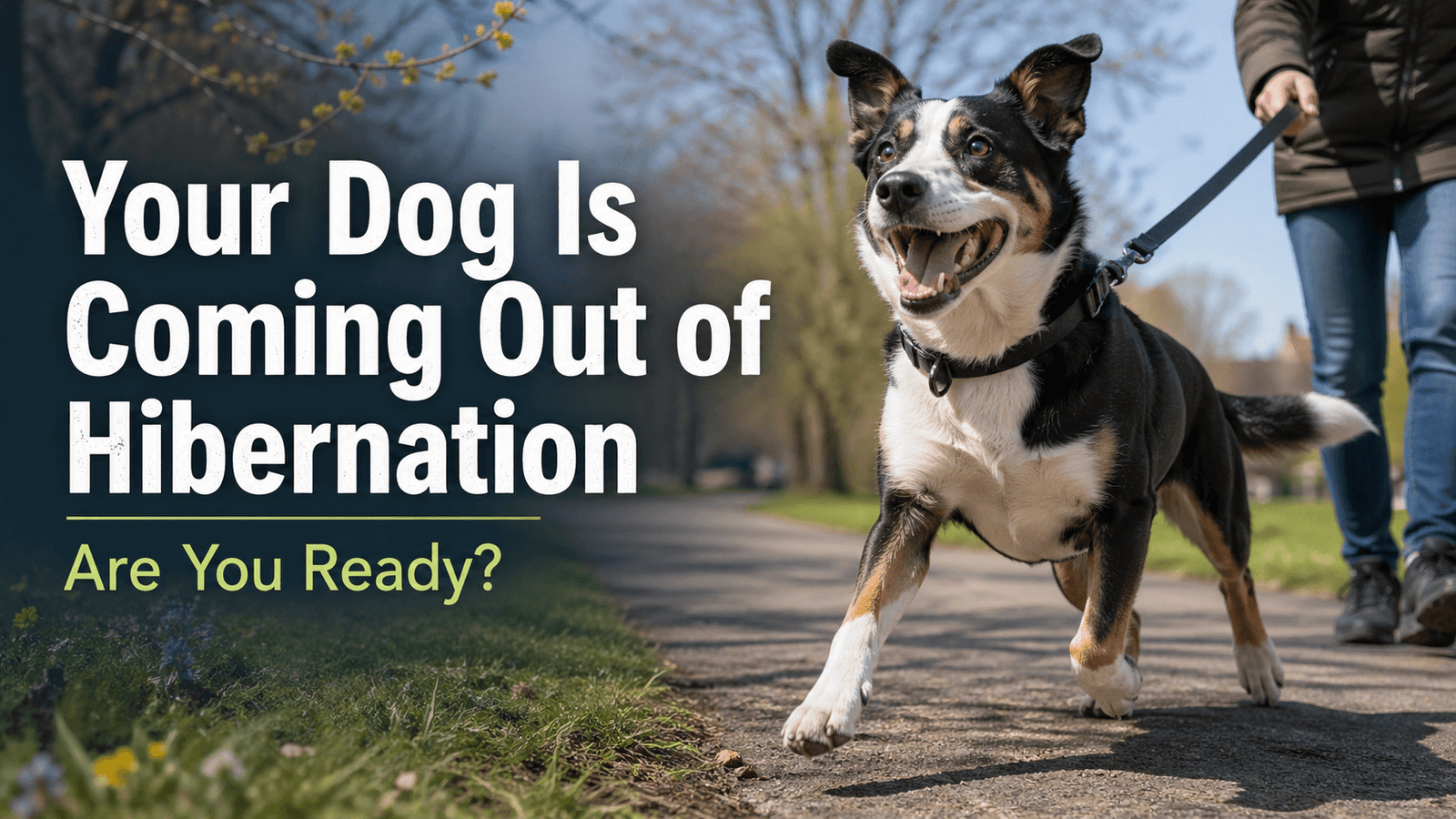
Tension matters more than a single tail or ear position. A wagging tail does not cancel out a rigid body, hard stare, or closed mouth.
What Can Help
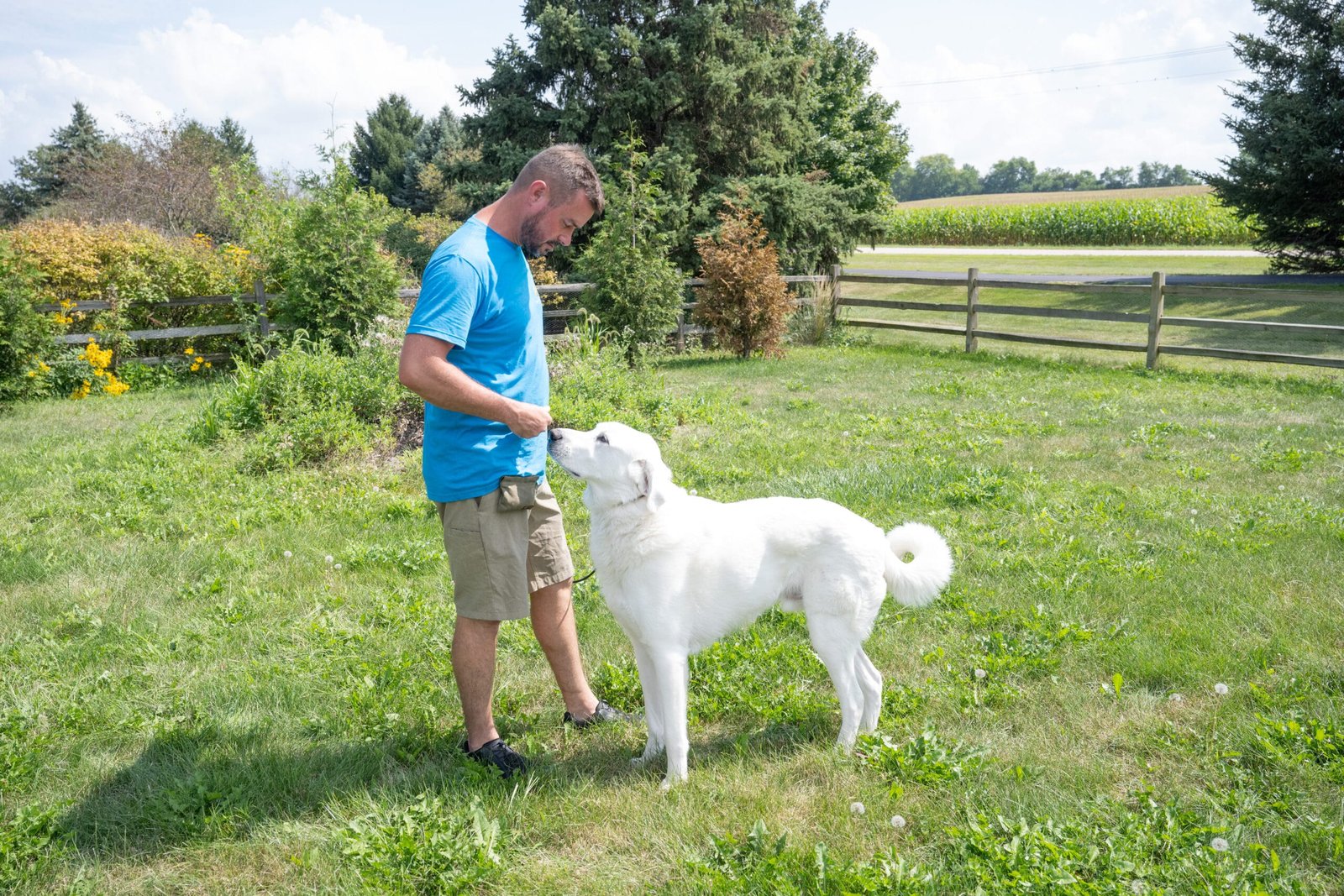
Stop forward pressure, create space, change the setup, and watch whether the dog’s movement, face, and breathing soften once the concern is reduced.
When To Get Professional Help
Professional assessment is important when stiffness appears before growling, lunging, snapping, guarding, or handling conflict.
Related Behavior Terms
Related Dog Psychology
Related Training Option
Behavioral Consultation
Every dog brings a different history, environment, and reason for the behavior. This service can help identify the right next step and build a plan around the dog in front of you.
This library provides general education, not an assessment of an individual dog. Sudden behavior changes, pain-related behavior, or an immediate safety concern should be discussed with an appropriate veterinary or behavior professional.