Warning signals are behaviors that communicate discomfort, concern, or a need for distance before a dog feels forced to escalate further.
Common Signs
- Growling
- Freezing
- Stiff Body
- Hard Stare
- Lip Lift
- Snapping
- Moving Away
Important Distinction
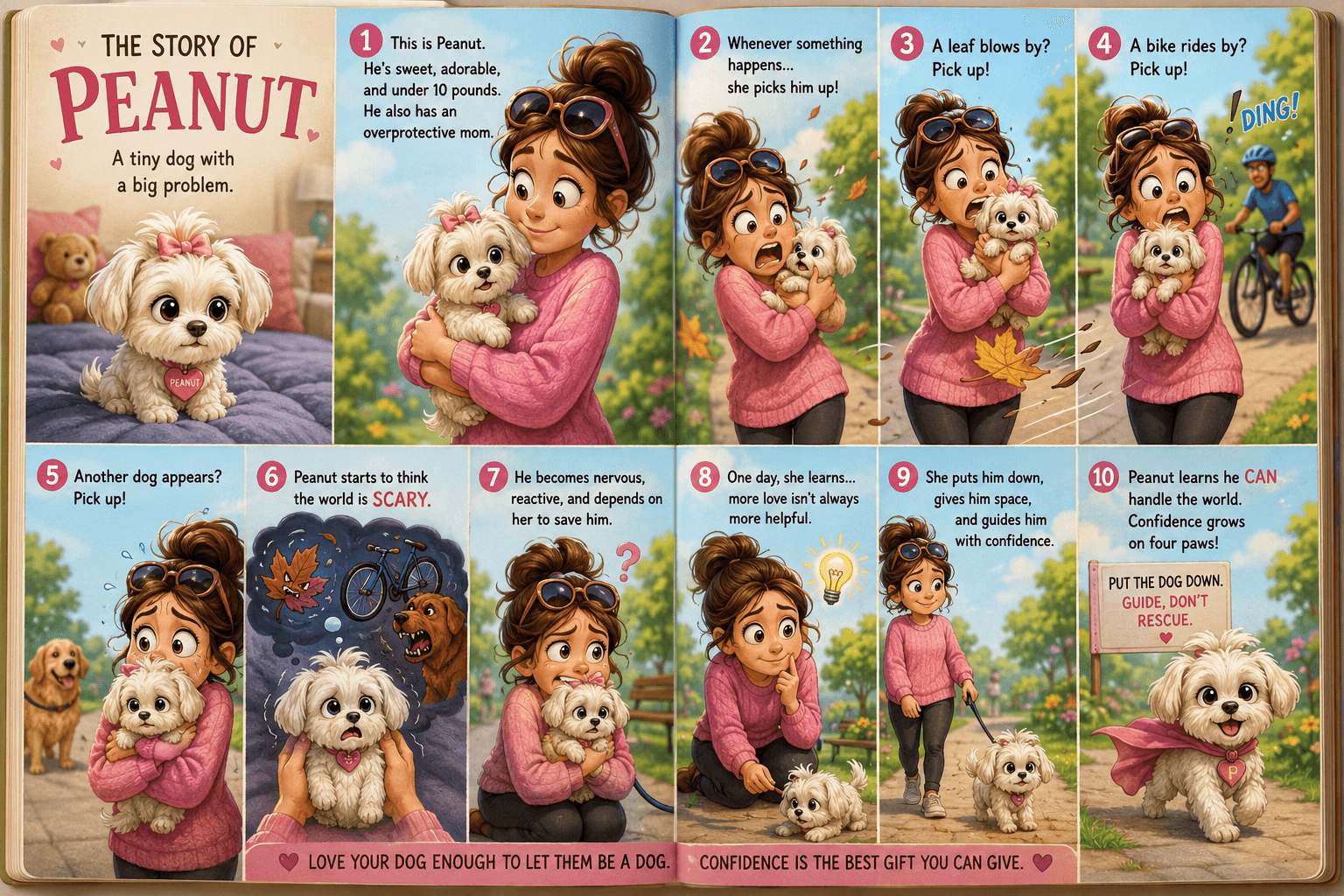
Punishing a warning can reduce the signal without improving the emotion. A dog that learns not to growl may still feel unsafe and move to a faster response later.
What Can Help
Stop the pressure, create distance, identify the trigger, protect everyone involved, and build a plan that addresses the reason for the warning.
When To Get Professional Help
Immediate professional help is appropriate after a bite, repeated snapping, warnings around children, guarding, handling conflict, or rapid escalation.
Related Behavior Terms
Related Dog Psychology
FearAn emotional response to something the dog perceives as an immediate threat or danger.StressThe body and brain’s response to physical, emotional, or environmental demands.TrustConfidence that another individual will behave in a predictable, safe, and understandable way.ThresholdThe point where emotional intensity becomes too high for effective learning or reliable responses.
Related Dog Training
Distance ManagementDistance management uses physical space to keep the dog within a workable emotional range. Increasing or controlling distance can prevent escalation and…Trigger ManagementTrigger management identifies and controls the situations that reliably produce fear, frustration, excitement, or unwanted behavior. It reduces surprise exposure and allows…Cooperative CareCooperative care teaches the dog to participate voluntarily in grooming, medical handling, and body care. The dog learns predictable positions, start signals,…ManagementManagement changes the environment to prevent unwanted behavior from being rehearsed while training is underway. It includes barriers, leashes, distance, schedules, storage,…
Related Training Option
Behavioral Consultation
Every dog brings a different history, environment, and reason for the behavior. This service can help identify the right next step and build a plan around the dog in front of you.
This library provides general education, not an assessment of an individual dog. Sudden behavior changes, pain-related behavior, or an immediate safety concern should be discussed with an appropriate veterinary or behavior professional.